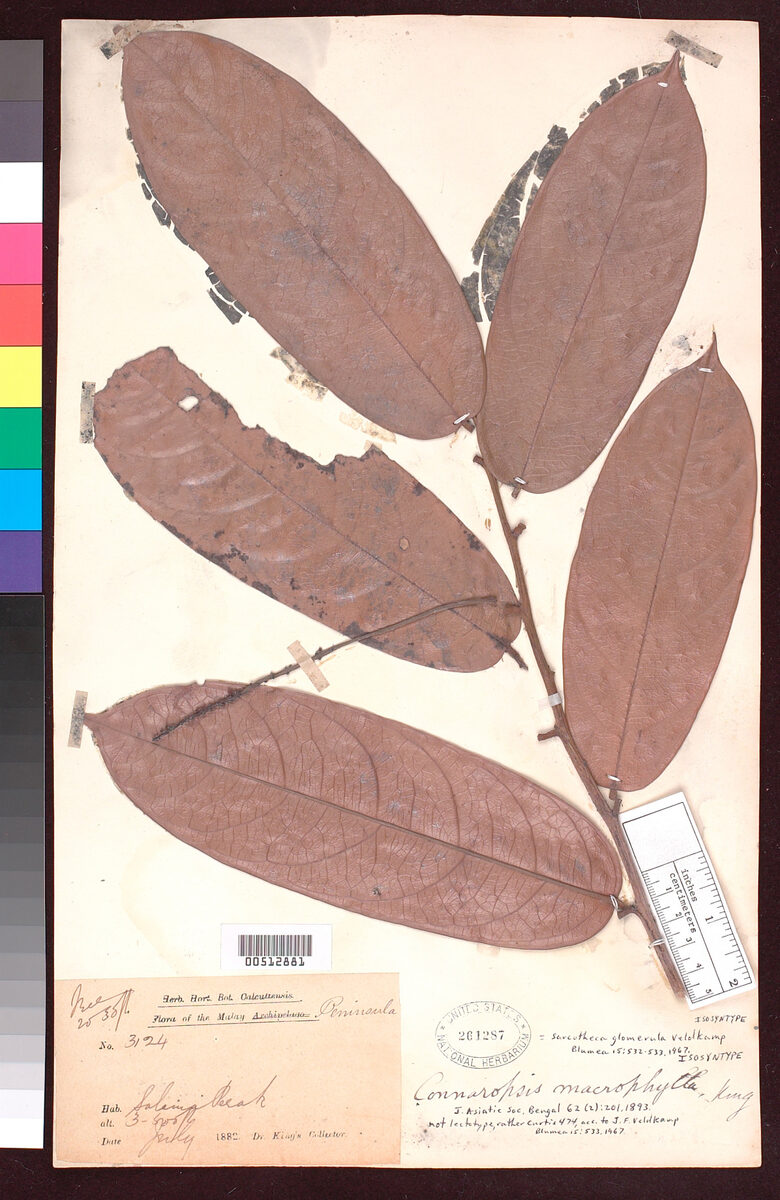
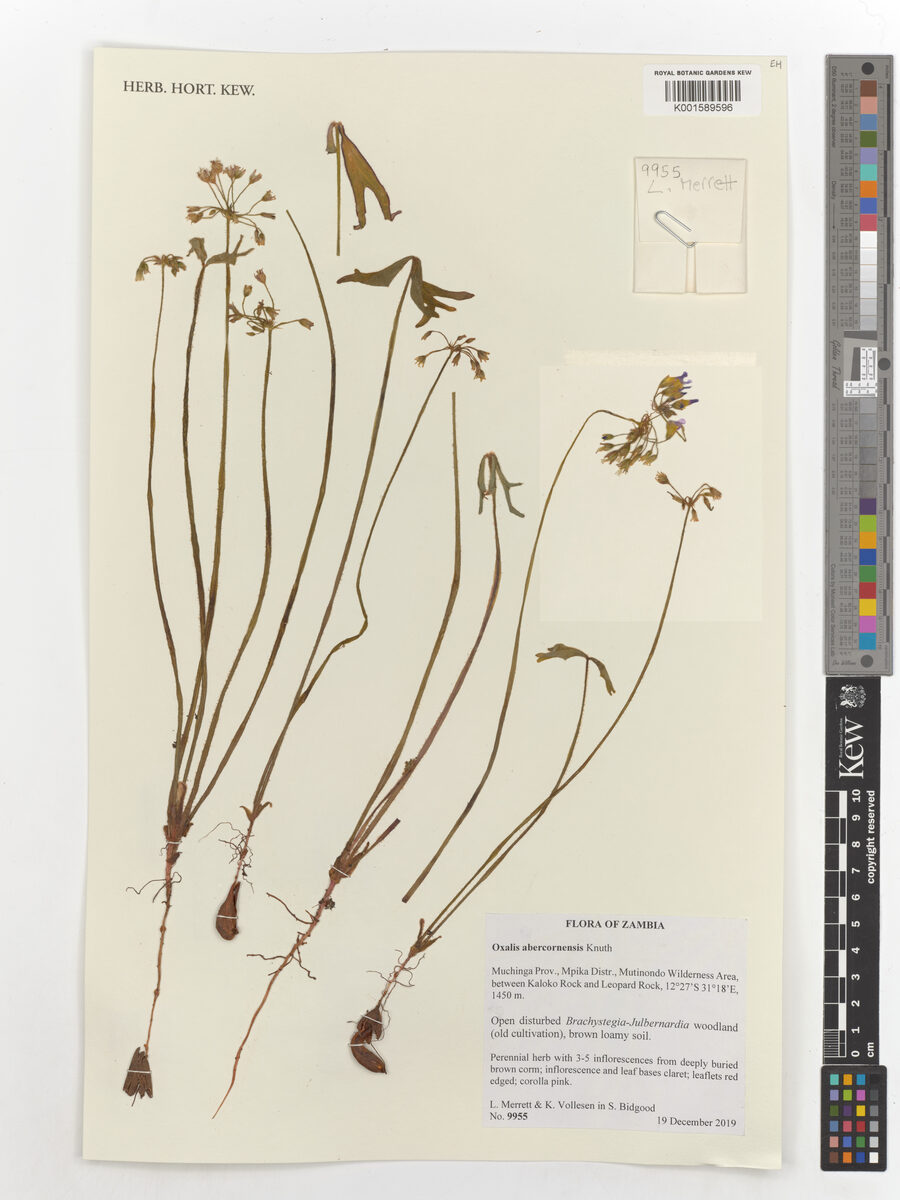
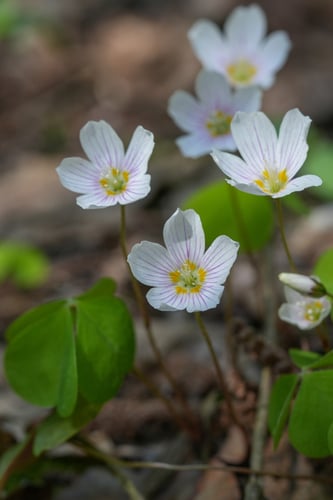
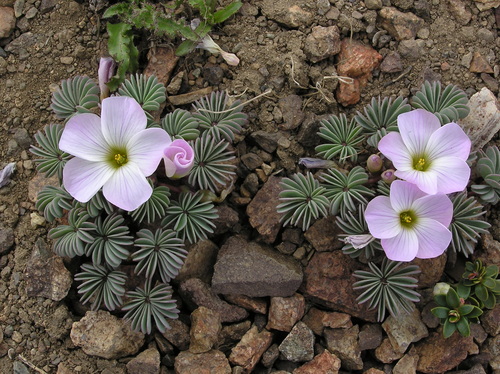
Sarcotheca griffithii
(Hk. f.) Hall. f.
Pupoi
iNaturalist· cc-by-nc
(c) Akmal Idham, some rights reserved (CC BY-NC), uploaded by Akmal Idham
gbif· cc0
President and Fellows of Harvard College
gbif· cc0
President and Fellows of Harvard College
Description
A tree. It grows 5 m high but can be 42 m tall. The trunk has white patchy bark and is 15-100 cm across. There can be buttresses up to 4 m high. The leaves have 3 leaflets. The fruit is yellow-green and crisp. It is 2-3 cm long by 1-2 cm wide.
Edible Uses
The very sour acidic fruit are used in curries, eaten fresh with sugar, and made into preserves. The fruit is sold commercially (approximately $4 per kg in Brunei markets).
Traditional Uses
The acid fruit are used in curries. They are also eaten fresh with lots of sugar and used in preserves.
This uses section is brief — help expand it
Known Hazards
The fruit is very sour.
Distribution
A tropical plant. It grows in primary forest on sandy clay soils in dry or temporarily flooded land.
Where It Grows
Asia, Brunei, Indonesia, Malaysia, SE Asia, Singapore,
Production
It flowers are fruit throughout the year.
Other Information
Edible fruit-very sour, sold for $4 per kg in Brunei market. The plants are cultivated.
Synonyms
Also Known As
Asam pupoi, Belimbing hutan, Jintek-jintek, Kupoi, Pupoi
References (5)
- Burkill, I. H., 1966,
- Milow, P., et al, 2013, Malaysian species of plants with edible fruits or seeds and their evaluation. International Journal of Fruit Science. 14:1, 1-27
- PROSEA No. 2
- Saw, L.G., LaFrankie, J. V. Kochummen, K. M., Yap S. K., 1991, Fruit Trees in a Malaysian Rain Forest. Economic Botany, Vol. 45, No. 1, pp. 120-136
- World Checklist of Useful Plant Species 2020. Royal Botanic Gardens, Kew