Oxalis megalorrhiza
Jacq.
Fleshy yellow wood sorrel
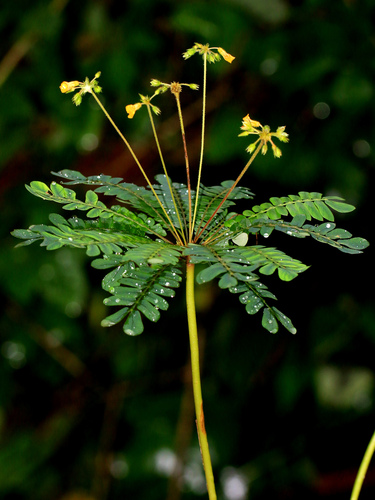
iNaturalist· cc-by-sa
(c) Thibaud Aronson, some rights reserved (CC BY-SA), uploaded by Thibaud Aronson
iNaturalist· cc-by
(c) cstobie, some rights reserved (CC BY), uploaded by cstobie
iNaturalist· cc-by-nc
(c) Benoît Segerer, some rights reserved (CC BY-NC), uploaded by Benoît Segerer
Description
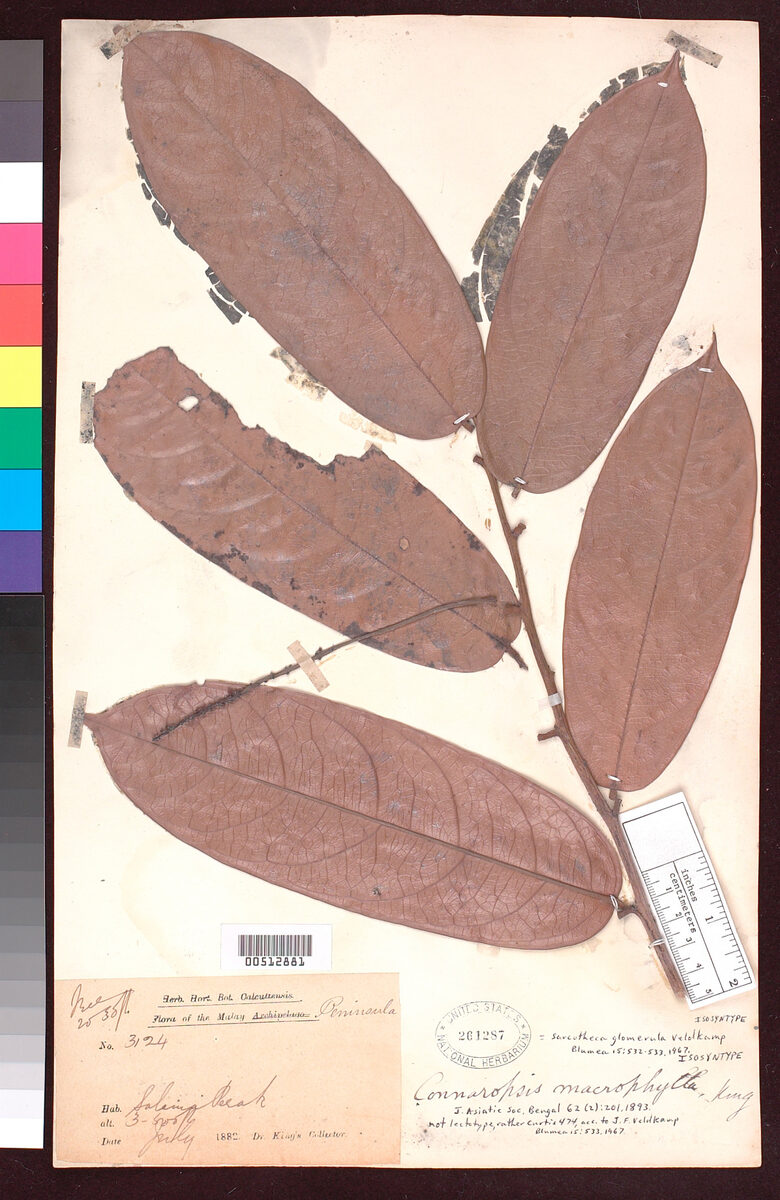
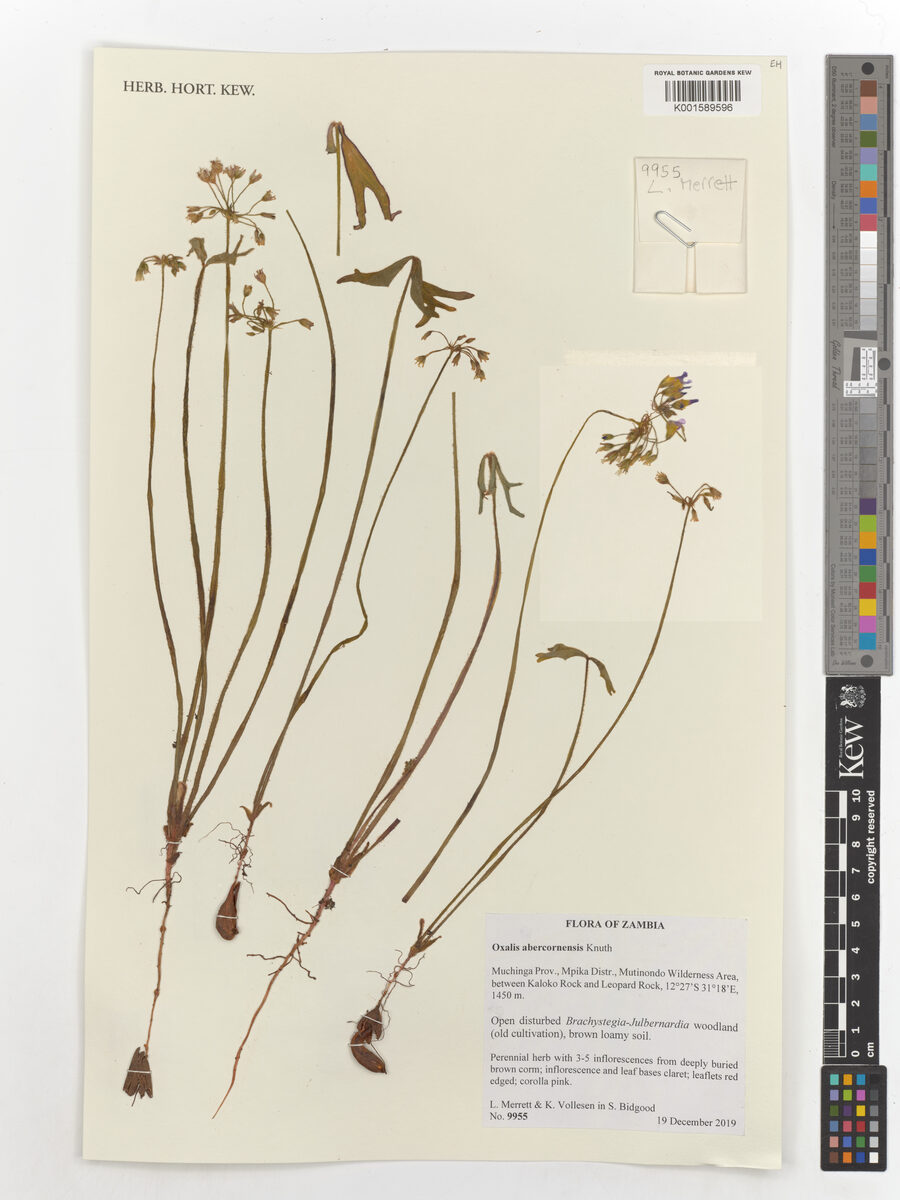
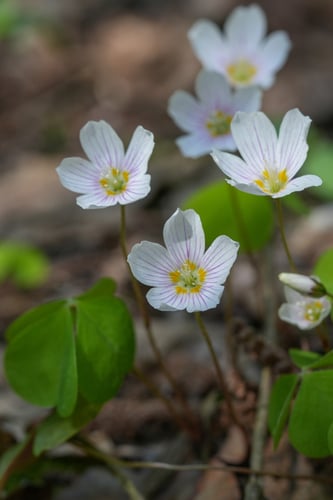
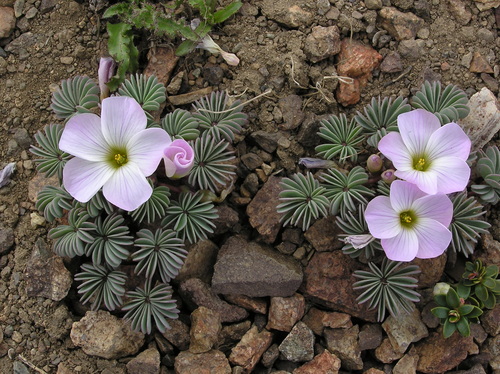
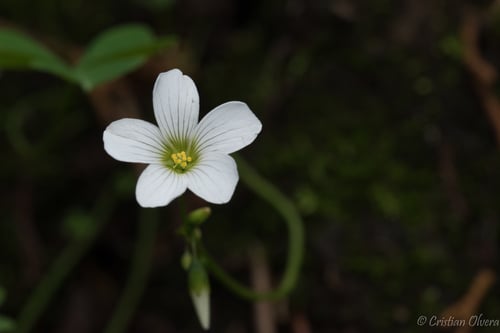
A succulent plant that keeps growing from year to year. It grows 15-40 cm high and 20 cm wide. It has fleshy rhizomes. The stems have few branches and become woody. The leaves are at the ends of these branches and are mid green. There are 3 heart shaped leaves 1-2 cm long with the point towards the stem. The flowers are in groups of 2-5, bowl shaped and yellow. These are 2 cm across.
Edible Uses
The leaves are eaten.
Traditional Uses
Caution: All Oxalis contain oxalates and need to be cooked and eaten carefully.
This uses section is brief — help expand it
Known Hazards
All Oxalis contain oxalates and must be cooked and eaten carefully.
Distribution
It is a warm temperate plant. It grows in coastal places.
Where It Grows
Australia, Bolivia, Chile, Peru, South America, Tasmania,
Production
It is slow growing.
Synonyms
Also Known As
Chullcu, Culle, Oqa-chullcu, Oxalis bonsai, Vinagrillo
References (4)
- Cordero, S. E., Abello, L. A., & Galvez, F. L., 2017, Plantas silvestres comestibles y medicinales de Chile y otras partes del mundo. CORMA p 208
- Hedrick, U.P., 1919, (Ed.), Sturtevant's edible plants of the world. p 456 (As Oxalis camosa ?)
- Hibbert, M., 2002, The Aussie Plant Finder 2002, Florilegium. p 216
- Oxalis 33. 1794