Oxalis magellanica
G.Forst.
White Wood-Sorrel, White oxalis
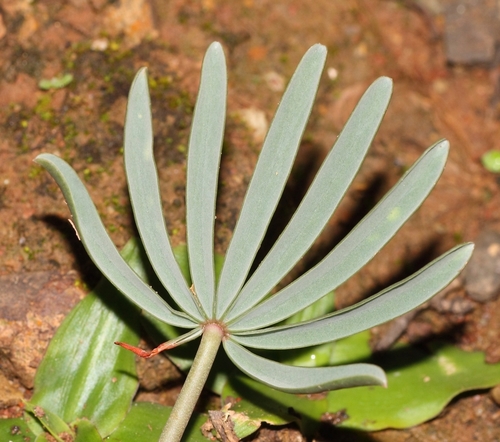
iNaturalist· cc-by-nc-sa
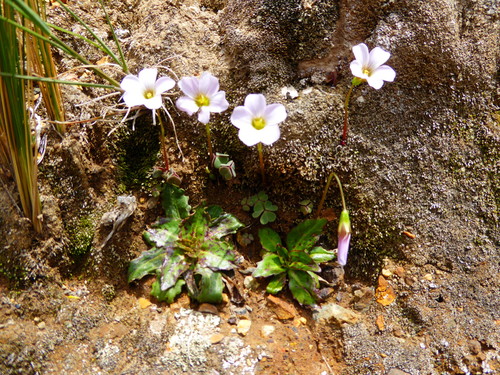
(c) Natalie Tapson, some rights reserved (CC BY-NC-SA)
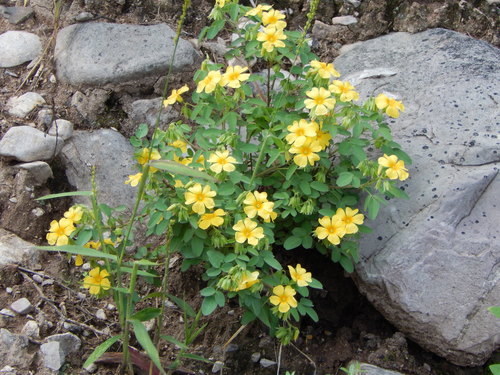
iNaturalist· cc-by
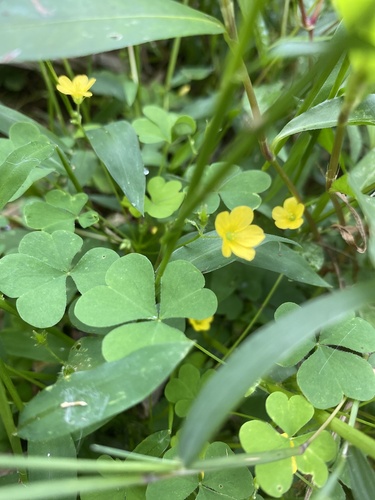
(c) krumpianking, some rights reserved (CC BY)
iNaturalist· cc-by-nc
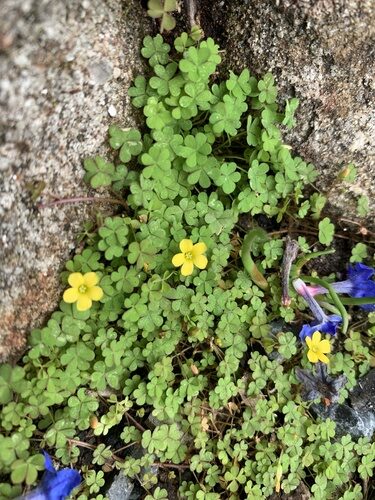
(c) Chris Ecroyd, some rights reserved (CC BY-NC), uploaded by Chris Ecroyd
Summary
Source: WikipediaOxalis magellanica or snowdrop wood-sorrel is an Oxalis species found in Chile, Argentina, New Zealand, and Tasmania. It was first described in 1789. It blooms from fall to spring with white flowers. Its native distribution is puzzling given the wide geographic separation between its populations in Oceania and South America. It, along with other members of a clade within the section Oxalis that share a common ancestor dating back to roughly 30 Ma, have a strangely complex geographic distribution. This is especially perplexing given that the connection between Oceania and South America via Antarctica disappeared 35 million years ago, before the estimated diversification of the clade.
Description
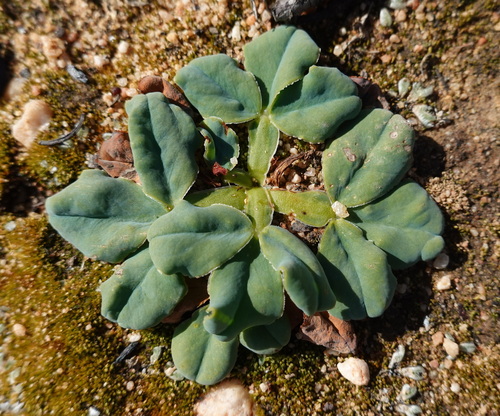
A herb which keeps growing from year to year. It grows 5-10 cm high and spreads 20-50 cm wide. The rhizomes or underground stems, branch. The plant forms leafy tufts. The leaves have 3 leaflets. The leaflets are 0.4-1 cm long by 0.3-0.8 cm wide. They are green above and waxy underneath. The flowers are 0.8-2 cm across and white. They occur singly on slender stalks. The stalks are about 4 cm long. The fruit are capsules about 0.5 cm across.
Edible Uses
The leaves can be eaten raw or cooked and have a pleasant acid flavour, though they are rather small and a bit chewy. Use in moderation. The flowers are also edible raw and make a pleasant, decorative addition to the salad bowl.
Medicinal Uses
None known
Known Hazards
The leaves contain oxalic acid, which gives them their sharp flavour. Perfectly all right in small quantities, the leaves should not be eaten in large amounts since oxalic acid can bind up the body's supply of calcium leading to nutritional deficiency. The quantity of oxalic acid will be reduced if the leaves are cooked. People with a tendency to rheumatism, arthritis, gout, kidney stones or hyperacidity should take especial caution if including this plant in their diet since it can aggravate their condition.
Distribution
It is a temperate plant. It grows in alpine areas in cool places. It needs moist but well drained sites and light shade. In Argentina it grows from sea level to 2,000 m above sea level. Tasmania Herbarium.
Where It Grows
Argentina, Australia*, Chile, Falklands, Bolivia, New Zealand, South America*, Tasmania*,
Cultivation
Plants can be grown from seed or by division of the clump.
Propagation
Seed is best sown as soon as ripe in a cold frame. Prick out seedlings into individual pots when large enough to handle and plant out in late spring or early summer. For division in spring, larger divisions can go directly into their permanent positions. Smaller divisions are better potted up and grown on in light shade in a cold frame until well established before planting out in late spring or early summer.
Other Uses
None known
Notes
There are about 500 Oxalis species.
Synonyms
Also Known As
Tutae kahu
References (9)
- Collier, P., 1992, Rainforest Plants of Tasmania. Plant Identikit. Society for growing Australian Plants. Tasmania. p 25
- Crowe, A., 1997, A Field Guide to the Native Edible Plants of New Zealand. Penguin. p 92
- Elliot, W.R., & Jones, D.L., 1997, Encyclopedia of Australian Plants suitable for cultivation. Vol 7. Lothian. p 127
- Hibbert, M., 2002, The Aussie Plant Finder 2002, Florilegium. p 216
- Kirkpatrick, J., 1997, Alpine Tasmania, An Illustrated guide to the flora and vegetation. Oxford, p 88
Show all 9 references Hide references
- Plants for a Future database, The Field, Penpol, Lostwithiel, Cornwall, PL22 0NG, UK. http://www.scs.leeds.ac.uk/pfaf/
- Ryan, S., 2008, Dicksonia. Rare Plants Manual. Hyland House. p 108
- Tasmanian Herbarium Vascular Plants list p 43
- Whiting, J. et al, 2004, Tasmania's Natural Flora. Tasmania's Natural Flora Editorial Committee PO Box 194, Ulverstone, Tasmania, Australia 7315 p 249