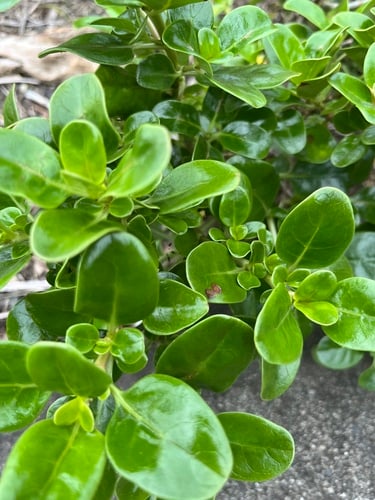
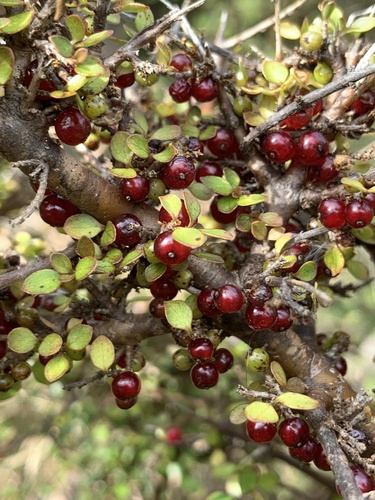
Nauclea xanthoxylon
(A. Chev.) Aubrev.
Ndea
gbif· cc-by
Meise Botanic Garden
gbif· cc-by
Meise Botanic Garden
gbif· cc-by
Meise Botanic Garden
Description
A small tree. It grows 10-15 m tall. It loses its leaves during the year. The leaves are large and simple. The flowers are white and ball shaped with a sweet scent. The fruit are 4-5 cm across and with pale dull pink skin. The small black seeds are in a circular pattern.
Edible Uses
Fruit - raw. The pulp has a flavour somewhat like a mushy apple and the texture of a pear. The flesh-coloured fruit is about the size of peach, containing a number of small ,black seeds. The fruit is 5 - 10cm in diameter.
Traditional Uses
The fruit is eaten raw.
This uses section is brief — help expand it
Medicinal Uses
The plant contains alkaloids.
Distribution
It is a tropical plant. It grows in swamp forest. It grows in the moist tropics. It can tolerate water-logging.
Where It Grows
Africa, Central Africa, Central African Republic, CAR, Congo, Côte d'Ivoire, Ivory Coast, Sudan, West Africa,
Cultivation
Plants can be grown from fresh seeds.
Propagation
Seed - the very small seed does not have a long viability. When sown fresh, it usually germinates well.
Production
Trees grow quickly. They fruit within 4-5 years.
Other Information
Trees are sometimes cultivated for their fruit.
Synonyms
References (3)
- Danforth, R.M., & Boren, P.D., 1997, Congo Native fruits. Twenty-five of the best. Privately published. p 8 (As Sarcocephalus xanthoxylon)
- Facciola, S., 1998, Cornucopia 2: a Source Book of Edible Plants. Kampong Publications, p 161 (As Sarcocephalus xanthoxylon)
- World Checklist of Useful Plant Species 2020. Royal Botanic Gardens, Kew