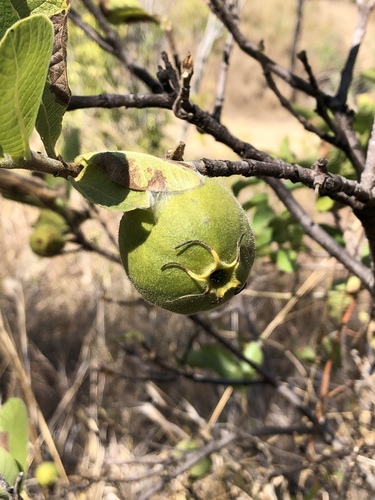
Amaioua corymbosa
Kunth
Wild coffee
iNaturalist· cc-by-nc
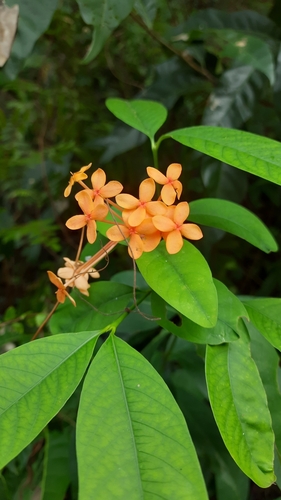
(c) Riley Fortier, some rights reserved (CC BY-NC)
iNaturalist· cc-by-nc
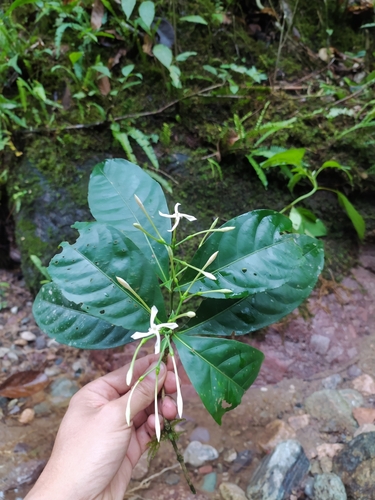
(c) Riley Fortier, some rights reserved (CC BY-NC)
iNaturalist· cc-by-nc
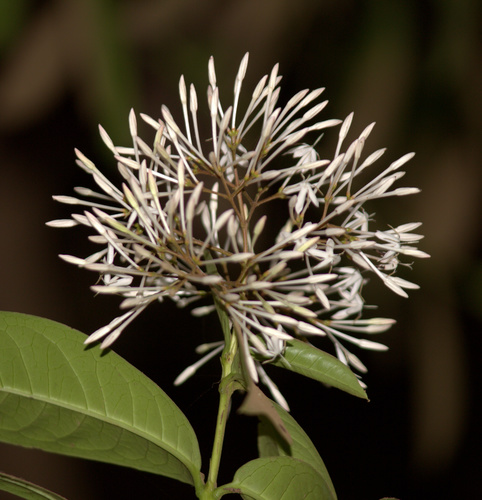
(c) Riley Fortier, some rights reserved (CC BY-NC)
Description
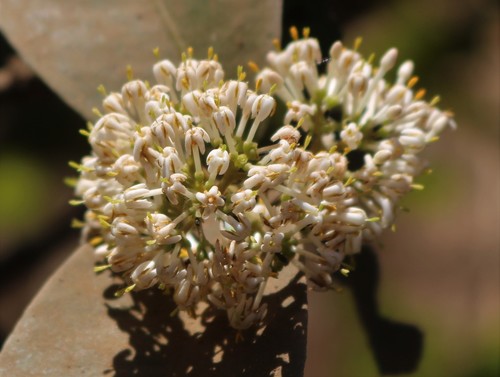
A medium sized tree. It grows 12 m tall. The trunk is highly fluted. It can be 30-40 cm across. The bark is red or brown and peels off in strips. The leaves are opposite and rounded in shape. They have prominent yellow veins underneath. Plants are separately male and female. The flowers are white and tube shaped. The fruit is an egg-shaped berry 1.3 cm long.
Edible Uses
The egg-shaped berries are eaten and appreciated as food.
Traditional Uses
The fruit are eaten.
This uses section is brief — help expand it
Medicinal Uses
It was used for medicinal purposes.
Distribution
It is a tropical plant. It often grows in secondary forest.
Where It Grows
Belize, Bolivia, Brazil, Caribbean, Central America, Colombia, Costa Rica, Cuba, Ecuador, Guiana, Guianas, Guyana, Mexico, Panama, South America, Suriname, Trinidad, Venezuela, West Indies,
Cultivation
The bark is said to have the odour of pea pods. A dioecious species, both male and female forms need to be grown if fruit and seed are required.
Other Uses
The heartwood is a light brown; the sapwood nearly white. The wood is fine-textured; exceedingly close-grained; hard, heavy, tough, easily splitting, and taking an excellent polish. The wood is used in local house construction.
Production
Trees only fruit once every five years.
Other Information
The fruit are appreciated.
Notes
It was probably used for some purpose amongst Maya.
Synonyms
Also Known As
Madrono, Wayu, Wa-yung
References (4)
- Condit, R., et al, 2011, Trees of Panama and Costa Rica. Princeton Field Guides. p 382
- Ferns, Useful Tropical Plants.
- http://research.famsi.org/botanyworking_plant_list.php
- van Andel, T., 2000, Useful plants of Guyana. Non-timber forest products of the North-West District of Guyana. Part 2. A Field Guide. Tropenbos-Guyana Programme. p 301