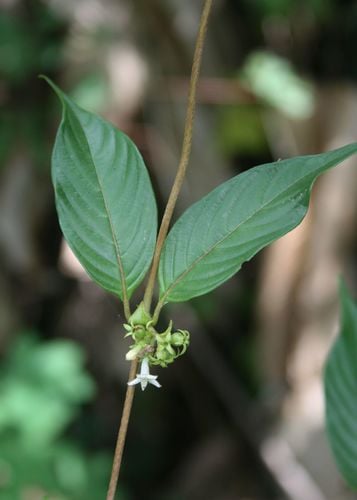
Ancylanthos rubiginosus
Desf.
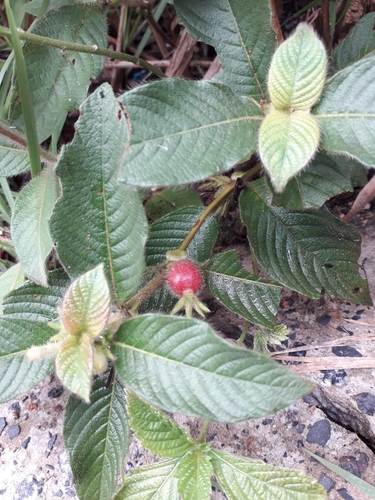
iNaturalist· cc-by-nc
(c) setlhare, some rights reserved (CC BY-NC)
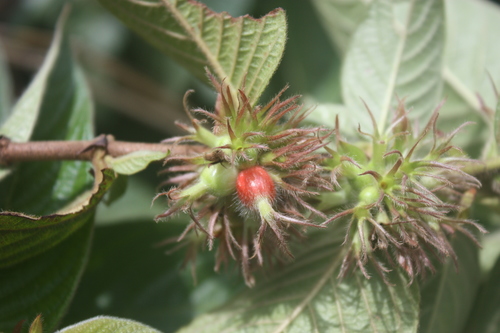
iNaturalist· cc-by-nc
(c) setlhare, some rights reserved (CC BY-NC)
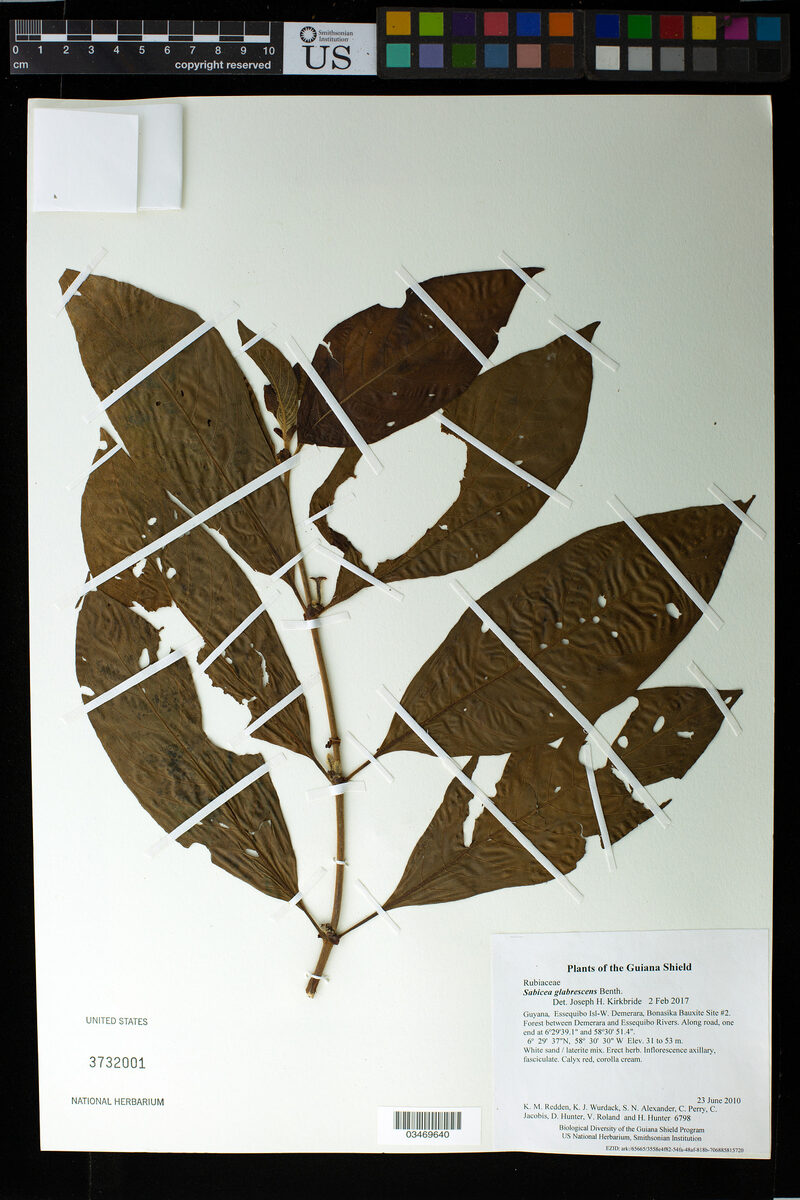
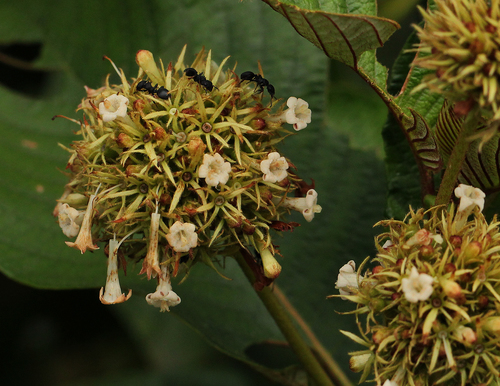
iNaturalist· cc-by-nc
(c) setlhare, some rights reserved (CC BY-NC)
Description
A shrub. It grows 1 m tall. The stems are erect. There can be one or several stems. They grow from a woody rootstock. Young plants have yellow hairs. The leaves are opposite or in rings. They are 3-15 cm long by 2-7 cm wide. The flowers are large. They are produced at nodes that have no leaves. The fruit is about 4 cm long. It is dark purple and turns light brown when ripe.
Edible Uses
The fruit are eaten raw or used to make wine.
Traditional Uses
The fruit are eaten raw. They are also used to make wine.
This uses section is brief — help expand it
Distribution
It is a subtropical plant. In Namibia it grows in deep red sand. It grows between 900-1,400 m altitude. It can grow in arid places.
Where It Grows
Africa, Angola, Botswana, Central Africa, East Africa, Namibia, South Africa, Southern Africa, Zambia, Zimbabwe,
Notes
There is only one Ancylanthos species.
Synonyms
Also Known As
Isya-matanda, Iyamba, Musyola, Omumbu, Yamba
References (11)
- Cheikhyoussef, A & Embashu, W., 2013, Ethnobotanical knowledge on Indigenous fruits in Ohangwena and Oshito regions in Northern Namibia. Journal of Ethnobiology and Ethnomedicine 9:34
- Flora Zambesiaca. http://apps.kew.org/efloras
- Fowler, D. G., 2007, Zambian Plants: Their Vernacular Names and Uses. Kew. p 55
- Fox, F. W. & Young, M. E. N., 1982, Food from the Veld. Delta Books. p 328 (As Ancylanthos bainesii)
- Global Plants JSTOR
Show all 11 references Hide references
- Leger, S., 1997, A Description of Today's Use of Plants in West Bushmanland (Namibia). German Development Service. PO Box 220035, 14061 Berlin, Germany. http://www.sigridleger.de/book/ (As Ancylanthos bainesii)
- Maguire, 1978, (As Ancylanthos bainesii)
- Peters, C. R., O'Brien, E. M., and Drummond, R.B., 1992, Edible Wild plants of Sub-saharan Africa. Kew. p 167 (As Ancylanthos bainesii)
- Royal Botanic Gardens, Kew (1999). Survey of Economic Plants for Arid and Semi-Arid Lands (SEPASAL) database. Published on the Internet; http://www.rbgkew.org.uk/ceb/sepasal/internet [Accessed 10th June 2011]
- Ruiters-Welcome, A. K., 2019, Food plants of southern Africa. Ph.D. thesis. Univ. of Johannesburg p 95
- Welcome, A. K. & Van Wyk, B.-E., 2019, An inventory and analysis of the food plants of southern Africa. South African Journal of Botany 122 (2019) 136–179