Sapindus drummondii
Hook. & Arn.
Western soapberry
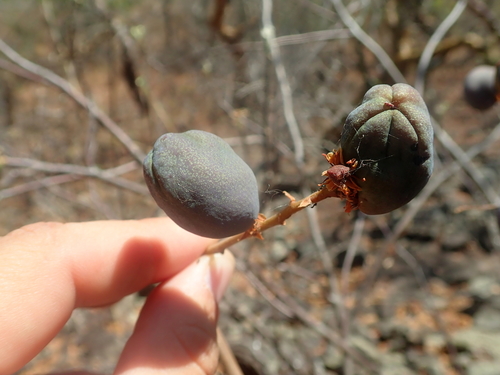
iNaturalist· cc-by-nc
(c) Rick Travis, some rights reserved (CC BY-NC), uploaded by Rick Travis
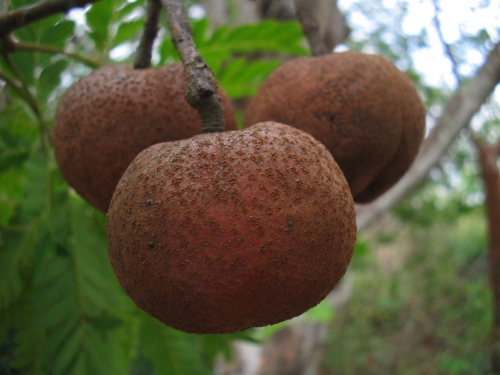
iNaturalist· cc-by-nc
(c) Rick Travis, some rights reserved (CC BY-NC), uploaded by Rick Travis
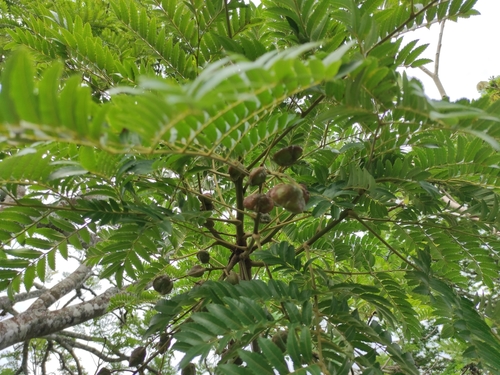
iNaturalist· cc-by-nc
(c) Bob O'Kennon, some rights reserved (CC BY-NC), uploaded by Bob O'Kennon
Summary
Source: WikipediaSapindus drummondii is a valid species (it was thought to be synonymous with Sapindus saponaria) of shrubs in the tribe Sapindeae. It has been recorded from Arizona to SE. Colorado and Louisiana and grows primarily in the temperate biome.
Description
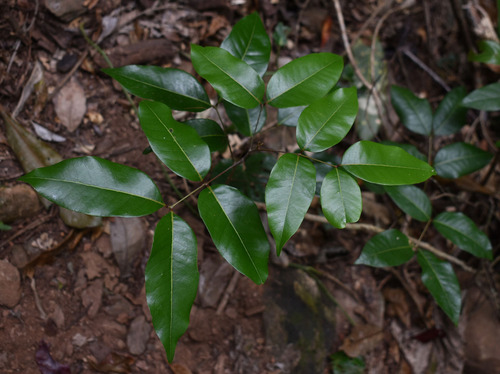
A tree. It grows 15 m high and spreads 9 m wide. It loses its leaves during the year. The crown is spreading. The leaves are divided into leaflets along the stalk. There are 18 leaflets. They are mid green. They turn golden yellow in autumn. The flowers are small and white and on branched stalks. These are at the ends of branches.
Edible Uses
The fruit has been reported as edible, though another account describes it as poisonous. The berry-like fruits have a leathery coat containing poisonous saponins; each fruit is approximately 15 mm in diameter and often persists on the tree until the following spring.
Traditional Uses
CAUTION: The plants contain saponins.
This uses section is brief — help expand it
Medicinal Uses
The fruit is antirheumatic and febrifuge and is used in the treatment of kidney diseases. A poultice made from the sap has been used to treat wounds.
Known Hazards
The berry-like fruits have a leathery coat containing poisonous saponins.
Distribution
It is a warm temperate plant. It grows in harsh dry climates. It suits hardiness zones 8-10.
Where It Grows
Australia, Central America, Mexico, North America, USA,
Cultivation
Succeeds in any well-drained soil in full sun. This species tolerates a wide range of soils, including those that are dry, stony and nutrient deficient. One report says that this species will probably not survive long outdoors in Britain, even though it is the hardiest member of the genus. Another says that it is quite hardy in Britain whilst a third says that it can tolerate temperatures down to about -7°c. A specimen planted at Kew in 1987 was 2½ metres tall and looking very healthy in August 1999. Trees are relatively slow-growing in the wild.
Propagation
Seed requires some cold stratification. Pre-soak in warm water for 24 hours, then sow in a cold frame in mid-winter and move to a greenhouse in early spring; germination should occur in late spring. Prick out seedlings into individual pots when large enough to handle and grow on under glass for at least their first winter before planting out in early summer. Take cuttings of nearly ripe wood, 5–8 cm with a heel, in July or August in a frame — success rates are fairly good.
Other Uses
Rubbing the fruit in water produces a soap that has been used in Mexico for washing clothes; the fruit can be dried and stored for later use. Buttons and necklaces are made from the seeds. The wood is heavy, strong, and close-grained, weighing 51 lb per cubic foot. It splits easily into thin strips and is commonly used in basket making, as well as serving as a fuel.
Notes
There are 13 Sapindus species.
Synonyms
Also Known As
Wild China tree
References (4)
- Bot. Beechey Voy. 281. 1838
- Cundall, P., (ed.), 2004, Gardening Australia: flora: the gardener's bible. ABC Books. p 1311
- Little, E.L., 1980, National Audubon Society Field Guide to North American Trees. Alfred A. Knopf. p 589
- Plants for a Future database, The Field, Penpol, Lostwithiel, Cornwall, PL22 0NG, UK. http://www.scs.leeds.ac.uk/pfaf/