Allophylus africanus
P. Beauv.
African allophylus, African false-raisin
iNaturalist· cc-by-nc
(c) graham_g, some rights reserved (CC BY-NC)
iNaturalist· cc-by-nc
(c) Mervyn Lotter, some rights reserved (CC BY-NC), uploaded by Mervyn Lotter
iNaturalist· cc-by-nc
(c) magdastlucia, some rights reserved (CC BY-NC), uploaded by magdastlucia
Description
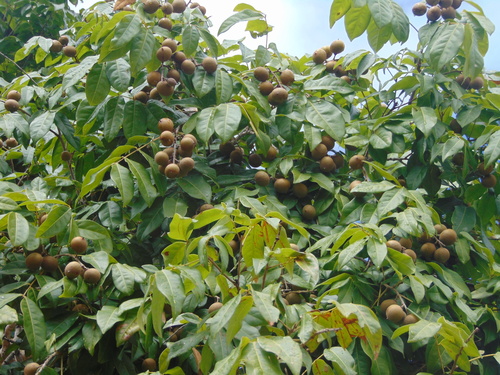
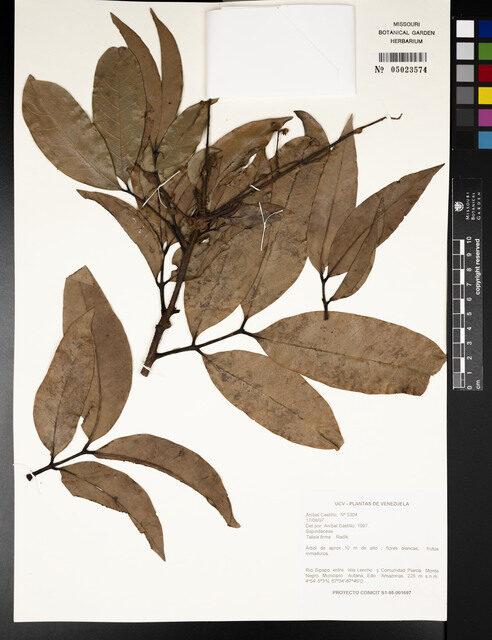
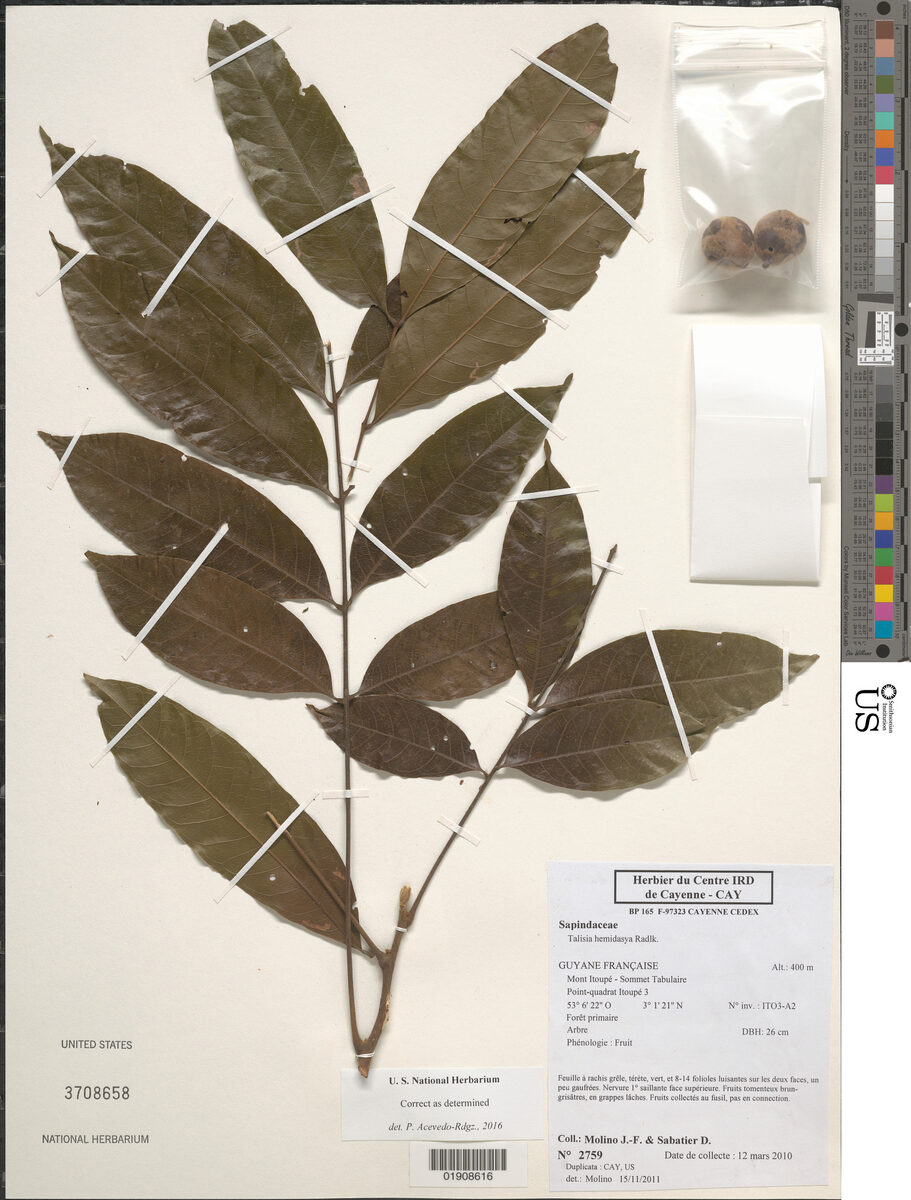
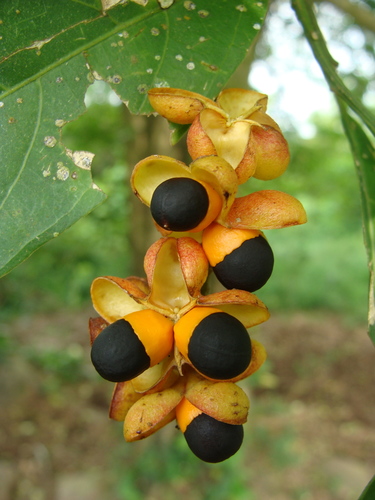
A shrub. It grows 3-5 m high. It can be smooth or hairy. It can be a tree 9-20 m tall. It forms branches low down. The leaves are alternate and have 3 leaflets. The flowers are creamy-white. They have a sweet scent. The fruit are small round red berries. The fruit are edible.
Edible Uses
The fleshy layer around the seeds is eaten as a fruit.
Traditional Uses
The fleshy layer around the seeds is eaten.
This uses section is brief — help expand it
Distribution
It is a tropical plant. It grows near the edges of forests and along stream banks. It is often on termite mounds. It grows on the north shore of Lake Malawi. In Zimbabwe it grows between 960-1,540 m above sea level.
Where It Grows
Africa, Benin, Botswana, Burkina Faso, Cameroon, Central Africa, Central African Republic, CAR, Congo DR, East Africa, Eswatini, Guinea, Guinée, Guinea-Bissau, Liberia, Malawi, Mozambique, Namibia, Nigeria, Sao Tome and Principe, Senegal, Sierra Leone, South Africa, Southern Africa, Swaziland, West Africa, Zambia, Zimbabwe,
Cultivation
Plants can be grown from seeds. Often self sown trees are transplanted.
Notes
There are about 225 Allophyllus species.
Nutrition
| Part | Moisture | kJ | kcal | Protein | Vit A | Vit C | Iron | Zinc |
|---|---|---|---|---|---|---|---|---|
| Fruit | 84.8 | 435 | 104 | 11.6 | — | — | — | — |
Synonyms
Also Known As
African false-currant, Anhese, Bu fankahen, Bugaintchom, Bugoentchom, Buguintcho-buaire, Bu singilit, Colchela, Coleala, Cordele, Futete, Kandula, Kashushumuhanda, Kieriehout, Kinsamba, Manau, Msawasawa, Mtalawanda, Mtatu, Mtsatule, Musiasi, Sambadjadei, Sambassatae, Sangasi, Veve-om
References (22)
- Burkill, H. M., 1985, The useful plants of west tropical Africa, Vol. 5. Kew.
- Chapman, J. D. & Chapman, H. M., 2001, The Forest Flora of Taraba and Andamawa States, Nigeria. WWF & University of Canterbury. p 201
- Codjia, J. T. C., et al, 2003, Diversity and local valorisation of vegetal edible products in Benin. Cahiers Agricultures 12:1-12
- Djihounouck, Y., et al, 2018, Diversité Et Importance Socio-Economique Des Espèces Fruitières Sauvages Comestibles En Zone Kasa (Sud-Ouest Du Sénégal). European Scientific Journal December 2018 edition Vol.14, No.36 ISSN: 1857 – 7881
- Djihounouck, Y., et al, 2021, Ethnobotanical Uses of Non-cultivated Edible Fruit Species in the Department of Oussouye (South Senegal). Journal of Food Research; Vol. 10, No. 4 p 20
Show all 22 references Hide references
- Fl. Oware 2:54, t. 107. 1812
- Fowler, D. G., 2007, Zambian Plants: Their Vernacular Names and Uses. Kew. p 59
- Gallagher, D. E., 2010, Farming beyond the escarpment: Society, Environment, and Mobility in Precolonial Southeastern Burkina Faso. PhD University of Michigan.
- Gueye, M., et al, 2014, Wild Fruits Traditionally Gathered by the Malinke Ethnic Group in the Edge of Niokolo Koba Park (Senegal). American Journal of Plant Sciences 5, 1306-1317
- Latham, P. & Mbuta, A. K., 2014, Useful Plants of Bas-Congo Province, Democratic Republic of Congo. Volume 1. p 37
- Latham, P. & Mbuta, A. K., 2017, Plants of Kongo Central Province, Democratic Republic of Congo. Volume 1. 3rd ed p 41
- Le Houerou, H. N., (Ed.), 1980, Browse in Africa. The current state of knowledge. International Livestock Centre for Africa, Ethiopia. p 163
- Long, C., 2005, Swaziland's Flora - siSwati names and Uses http://www.sntc.org.sz/flora/
- Malaisse, F., 1997, Se nourrir en floret claire africaine. Approche ecologique et nutritionnelle. CTA., p 57
- Malaisse, F., 2010, How to live and survive in Zambezian open forest (Miombo Ecoregion). Les Presses Agronomiques de Gembloux.
- Mangambu Mokoso Jean De Dieu, et al, 2015, Etudes ethnobotanique et ethnolinguistique des ressources forestieres ligneuses utilisees par la population du coulour Ecologique du Parc National de Kahuzi-biega (R. D. Congo). European Journal of Scientific Research May 2015.
- Peters, C. R., O'Brien, E. M., and Drummond, R.B., 1992, Edible Wild plants of Sub-saharan Africa. Kew. p 180
- Roodt, V., 1998, Trees & Shrubs of the Okavango Delta. Medicinal Uses and Nutritional value. The Shell Field Guide Series: Part 1. Shell Botswana. p 197
- Swaziland's Flora Database http://www.sntc.org.sz/flora
- Welcome, A. K. & Van Wyk, B.-E., 2019, An inventory and analysis of the food plants of southern Africa. South African Journal of Botany 122 (2019) 136–179
- Williamson, J., 2005, Useful Plants of Malawi. 3rd. Edition. Mdadzi Book Trust. p 20
- World Checklist of Useful Plant Species 2020. Royal Botanic Gardens, Kew