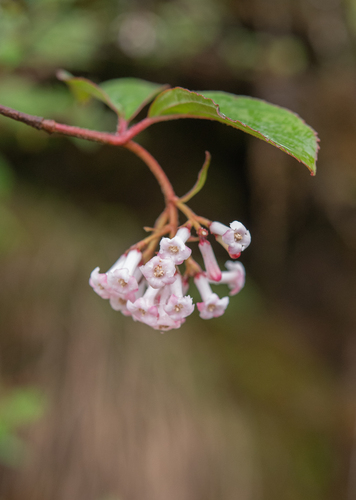
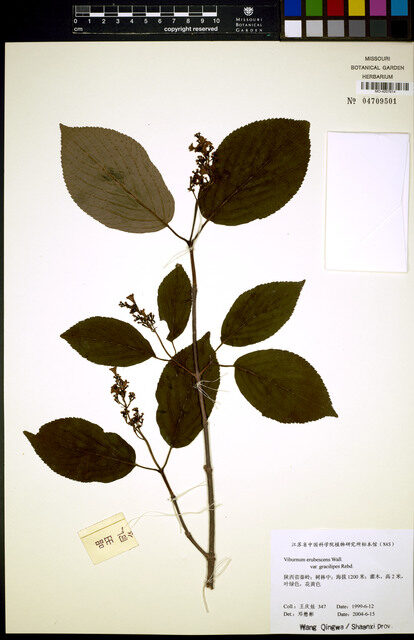
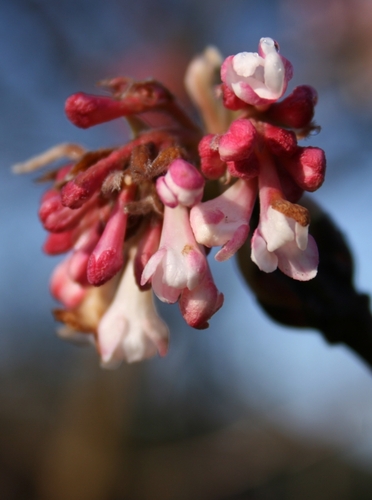
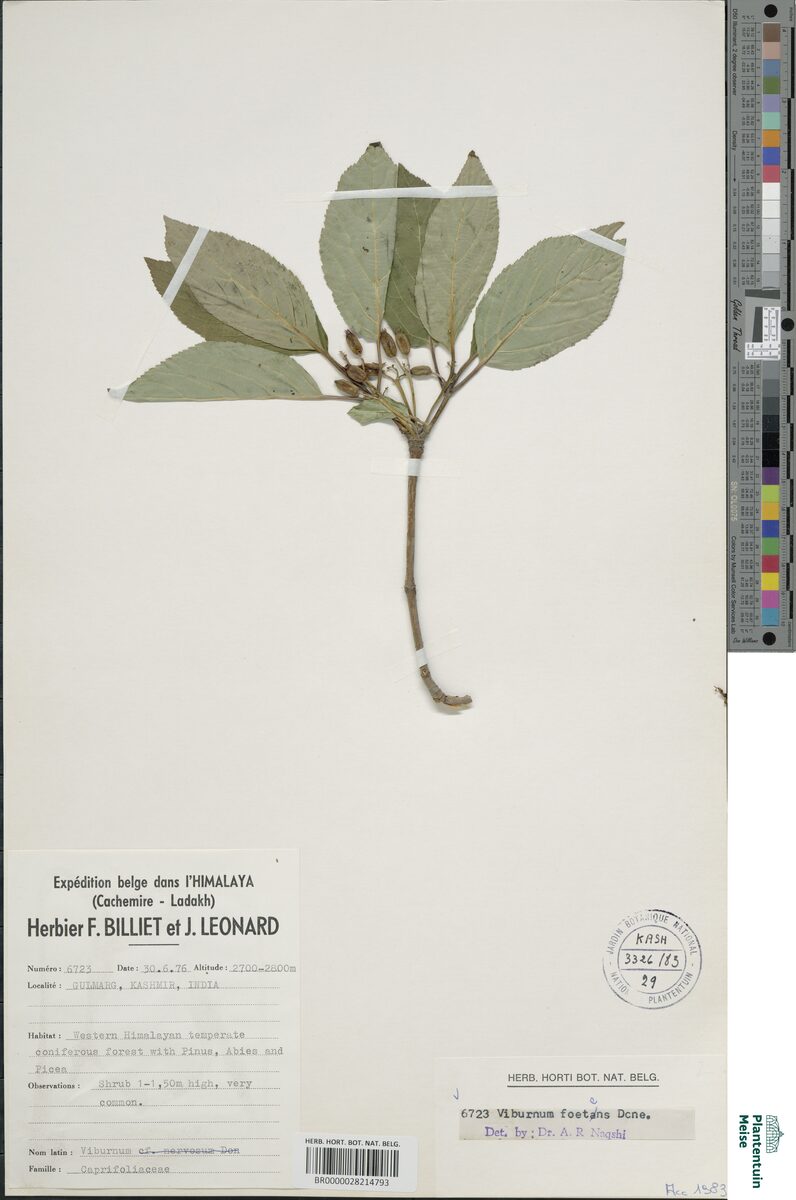
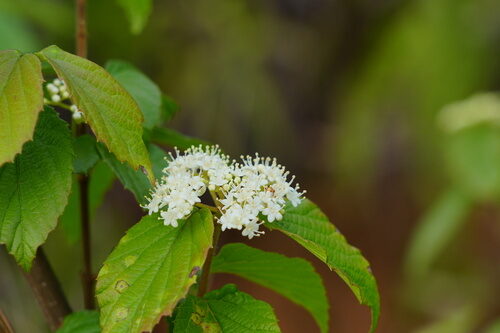
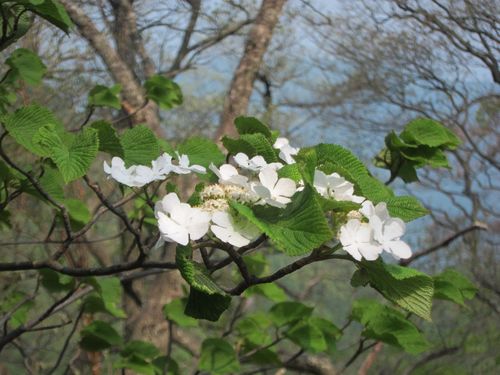
Viburnum opulus var. americanum
Aiton
American cranberry-bush, Highbush cranberry
gbif· cc-by-nc
Séraphin Poudrier
gbif· cc-by-nc
Séraphin Poudrier
gbif· cc-by-nc
Séraphin Poudrier
Summary
Source: WikipediaViburnum opulus, commonly known as the guelder-rose, or guelder rose (), is an Old World species of flowering plant in the family Adoxaceae.
Description
A shrub in the Adoxaceae family found in temperate regions of North America. American cranberry-bush is cultivated and produces small berry-like fruits.
Edible Uses
The tart red fruits are edible and can be used in cooking.
Traditional Uses
Canada, North America, USA,
This uses section is brief — help expand it
Known Hazards
The fruit is edible in small quantities, with a very bitter taste; it can be used to make jelly. It is however mildly toxic, and may cause vomiting or diarrhea if eaten in large amounts. The ripe fruit is often ignored by birds and avoided by humans due to a foul smell emitted when crushed, described by some as "musty socks" or "urine and vomit". The term 'cramp bark' is related to the bark's use in traditional medicine for cramps, but there is no scientific evidence of its effectiveness for this use or any other.
Distribution
It is a temperate plant.
Cultivation
It is cultivated.
Production
There are about 150 Viburnum species. Also put in the family Caprifoliaceae.
Synonyms
References (5)
- Hort. kew. 1:373. 1789
- Janick, J. & Paul, R. E. (Eds.), 2008, The Encyclopedia of Fruit & Nuts. CABI p 7
- Moerman, D. F., 2010, Native American Ethnobotany. Timber Press. p 595
- USDA, ARS, National Genetic Resources Program. Germplasm Resources Information Network - (GRIN). [Online Database] National Germplasm Resources Laboratory, Beltsville, Maryland. Available: www.ars-grin.gov/cgi-bin/npgs/html/econ.pl (10 April 2000)
- Wiersema, J. H. & Leon, B., 2013, World Economic Plants. A Standard Reference CRC Press. 2nd Ed. p 716