Prunella vulgaris subsp. asiatica
(Nakai) H. Hara
Carpenter Weed
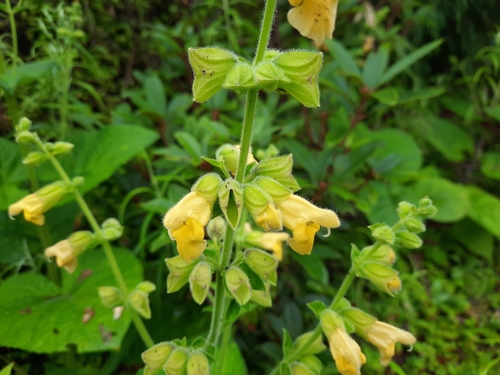
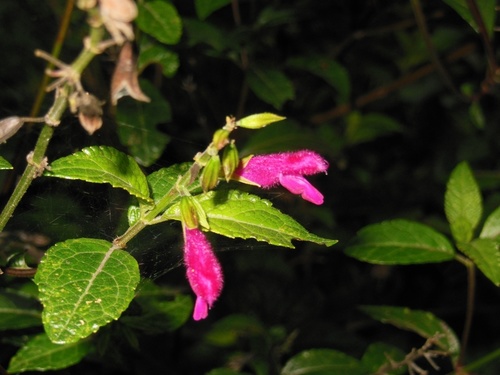
iNaturalist· cc-by-nc
(c) Сергей, some rights reserved (CC BY-NC)
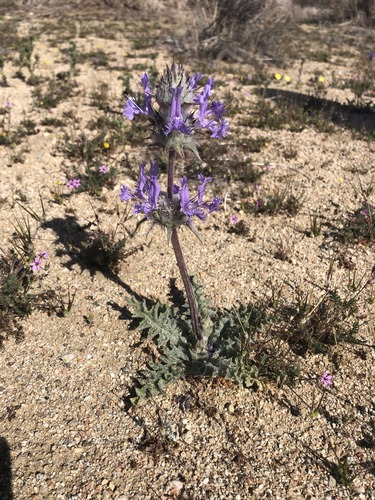
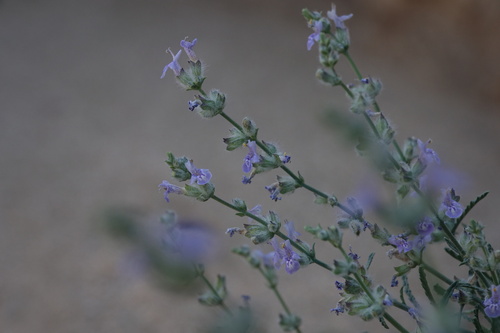
iNaturalist· cc-by-nc
(c) kenbuchholz, some rights reserved (CC BY-NC)
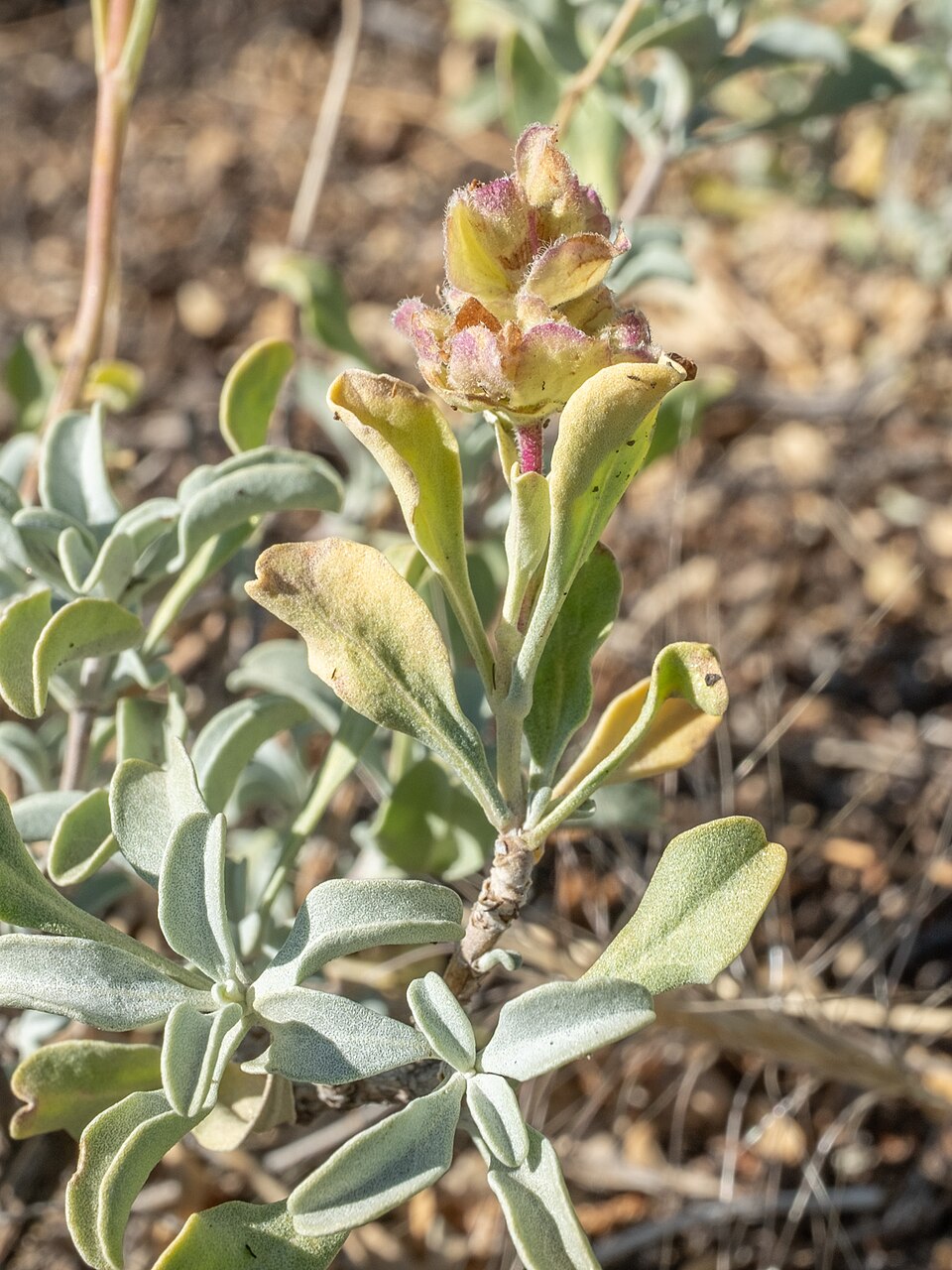
iNaturalist· cc-by-nc
(c) Сергей, some rights reserved (CC BY-NC)
Summary
Source: WikipediaPrunella vulgaris, the common self-heal, heal-all, woundwort, heart-of-the-earth, carpenter's herb, brownwort or blue curls, is an herbaceous flowering plant in the mint family (Lamiaceae).
Description
An herbaceous plant in the mint family (Lamiaceae) found in subtropical regions. It grows as a low herb with edible leaves.
This description is brief — help expand it
Edible Uses
The leaves are traditionally eaten with oil and salt.
Traditional Uses
The leaves are eaten with oil and salt.
This uses section is brief — help expand it
Medicinal Uses
Prunella vulgaris is edible. The young leaves and stems can be eaten raw in salads; the plant as a whole can be boiled and eaten as a leaf vegetable; and the aerial parts of the plant can be powdered and brewed in a cold infusion to make a beverage. This plant was used as a traditional medicine by the indigenous peoples of North America. The Quileute, Quinault, and Coast Salish in the Pacific Northwest extracted juice from the plant which was used as a topical treatment for boils. The Nuxalk boiled the entire plant to make a weak tea. The Nlaka'pamux drink a cold infusion of the whole plant as a common beverage. The herb, which is called xia ku cao (夏枯草) in Chinese, is used in traditional Chinese medicine to treat dizziness, red eyes, dry cough, and dermatitis and boils. It is also a main ingredient in several herbal teas in southern China, including commercial beverages such as Wong Lo Kat.
Distribution
It is a subtropical plant.
Where It Grows
Asia, China, India, Korea, Taiwan,
Notes
Synonym not in The Plant List. It is used in medicine as an anti-inflammatory.
Synonyms
Also Known As
Kkulp'ul
References (4)
- Ambasta S.P. (Ed.), 2000, The Useful Plants of India. CSIR India. p 89 (As Prunella vulgaris var. lilacina)
- Chen, B. & Qiu, Z., Consumer's Attitudes towards Edible Wild Plants, Ishikawa Prefecture, Japan. p 24 www.hindawi.com/journals/ijfr/aip/872413.pdf
- Pemberton, R. W. & Lee, N. S., 1996, Wild Food Plants in South Korea: Market Presence, New Crops, and Exports to the United States. Economic Botany, Vol. 50, No. 1, pp. 57-70 (As Prunella vulgaris var. lilacina)
- READ (As Prunella vulgaris var. lilacina)