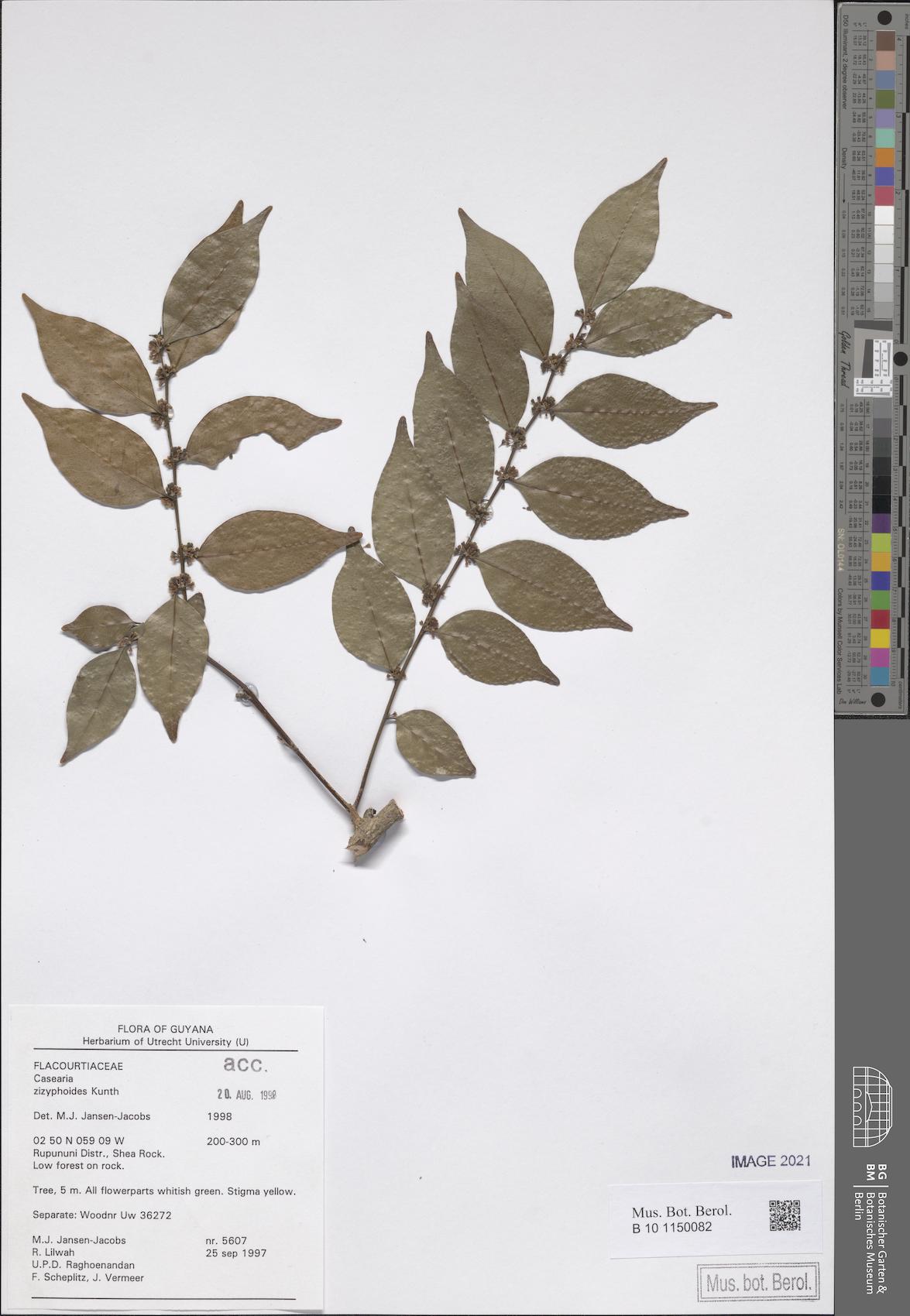
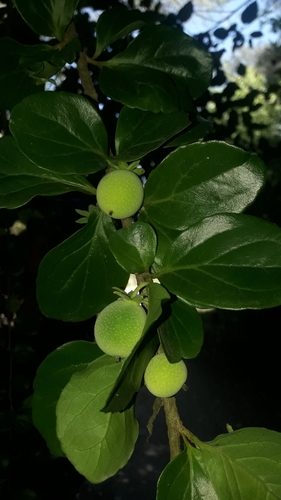
Salix triandra
L.
Almond-leaved willow
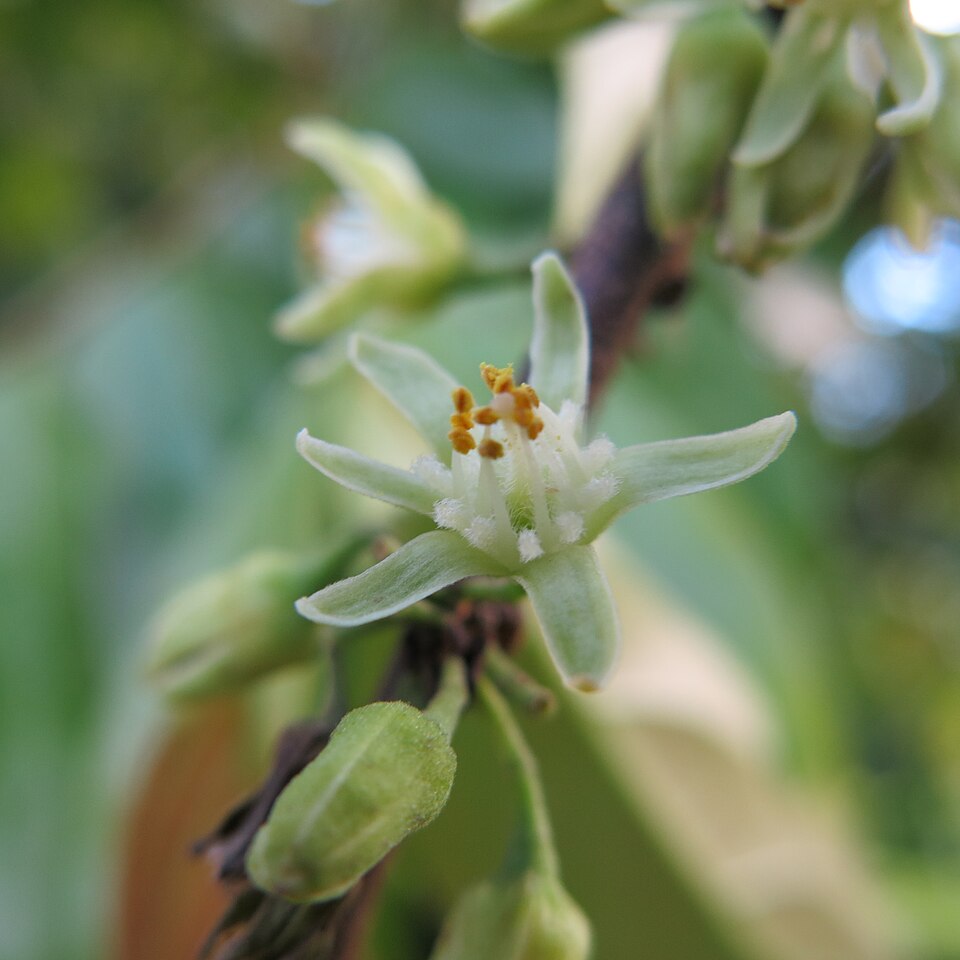
iNaturalist· cc-by-nc
(c) Alexey P. Seregin, some rights reserved (CC BY-NC), uploaded by Alexey P. Seregin
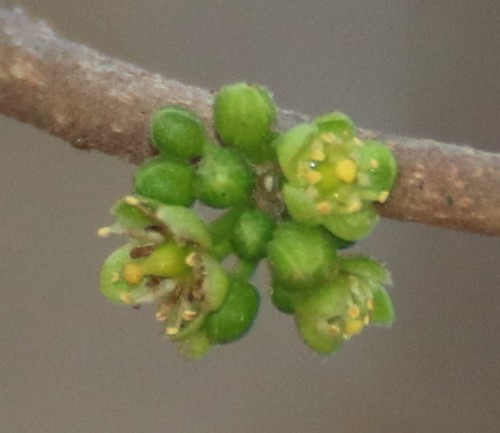
iNaturalist· cc-by-nc
(c) Martin Sedlák, some rights reserved (CC BY-NC)
iNaturalist· cc-by-nc
(c) Martin Sedlák, some rights reserved (CC BY-NC)
Summary
Source: WikipediaSalix triandra, with the common names almond willow, almond-leaved willow or black maul willow, is a species of willow native to Europe and Western and Central Asia. It is found from south-eastern England east to Lake Baikal, and south to Spain and the Mediterranean east to the Caucasus, and the Alborz Mountains. It usually grows in riparian habitats, on river and stream banks, and in wetlands.
Description
A deciduous tree reaching 9 m tall, growing at a fast rate, hardy to UK zone 5. Flowers March to May with seeds ripening in June. Dioecious; requires both male and female plants for seed production. Noted for attracting wildlife. Tolerates light sandy, medium loamy, and heavy clay soils with mildly acid to neutral pH. Cannot grow in shade and prefers moist to wet soil.
Edible Uses
The inner bark can be eaten raw or cooked, or dried, ground into a powder, and mixed with cereal flour for bread-making. It has a very bitter flavour and is a famine food used only as a last resort. Young shoots can be cooked, though they are not very palatable. One report notes that the stems have a sweet flavour.
Medicinal Uses
The fresh bark of all willows contains salicin, which likely breaks down into salicylic acid (closely related to aspirin) in the body. This gives it properties as an anodyne and febrifuge.
Known Hazards
None listed.
Distribution
It is a temperate plant.
Where It Grows
Asia, Australia, Britain, Central Asia, Europe, Greece, Luxembourg, Manchuria, Mediterranean, Tajikistan,
Cultivation
Succeeds in most soils, including wet, ill-drained or intermittently flooded soils, but prefers a damp, heavy soil in a sunny position. Rarely thrives on chalk. Does best in wet seasons. A good bee plant, providing a source of pollen and nectar early in the year. The flowers are especially fragrant for a willow. Plants are best put into their permanent positions as soon as possible. The root system is rather aggressive and can cause problems with drains. It is best not to grow this species within 10 metres of a building. Often cultivated for its stems, which are used in basket making, there are many named varieties. The stems should be cut down almost to ground level each winter in order to produce long flexible canes. The smooth flaking bark has a smell of almonds. Plants in this genus are notably susceptible to honey fungus. Dioecious. Male and female plants must be grown if seed is required.
Propagation
Seed must be surface sown as soon as it ripens in late spring, as viability is very short — perhaps only a few days. Cuttings of mature wood from the current year's growth can be taken November to February and rooted in a sheltered outdoor bed or planted directly into their permanent position with a good weed-suppressing mulch; this is very easy. Plant out in autumn. Half-ripe cuttings taken June to August and rooted in a frame are also very easy.
Other Uses
The highly flexible stems are valued for basket making, with plants typically coppiced annually or every two years when thicker upright poles are needed. A yellow dye is obtained from the bark and young leaves. The plant succeeds in wet, poorly drained, or intermittently flooded soils and is a dynamic accumulator.
Notes
There are about 300 Salix species.
Synonyms
References (5)
- Bodkin, F., 1991, Encyclopedia Botanica. Cornstalk publishing, p 904
- Kremer, B.P., 1995, Shrubs in the Wild and in Gardens. Barrons. p 123.
- Plants for a Future database, The Field, Penpol, Lostwithiel, Cornwall, PL22 0NG, UK. http://www.scs.leeds.ac.uk/pfaf/
- Sfikas, G., 1984, Trees and shrubs of Greece. Efstathiadis Group. Athens. p 164
- Sp. pl. 2:1016. 1753