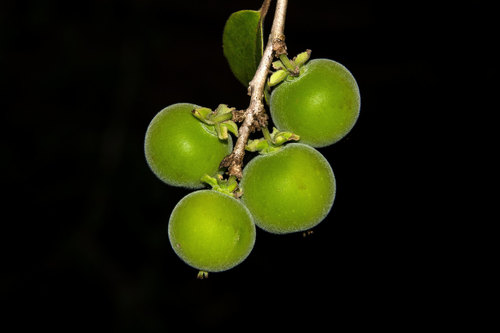
Salix pentandra
L.
Bay willow, Laurel willow, Bayleaf willow
iNaturalist· cc-by-nc
(c) Alexey P. Seregin, some rights reserved (CC BY-NC), uploaded by Alexey P. Seregin
iNaturalist· cc0
no rights reserved
Summary
Source: WikipediaSalix pentandra, the bay willow, is a species of willow native to northern Europe and northern Asia. The scientific name refers to the male flowers having five stamens. The English name derives from the resemblance of the leaves to those of the bay laurel; other common names include bay-leaved willow and laurel willow. Its glossy leaves make it more decorative than many other willows, so it is often planted as an ornamental tree.
Description
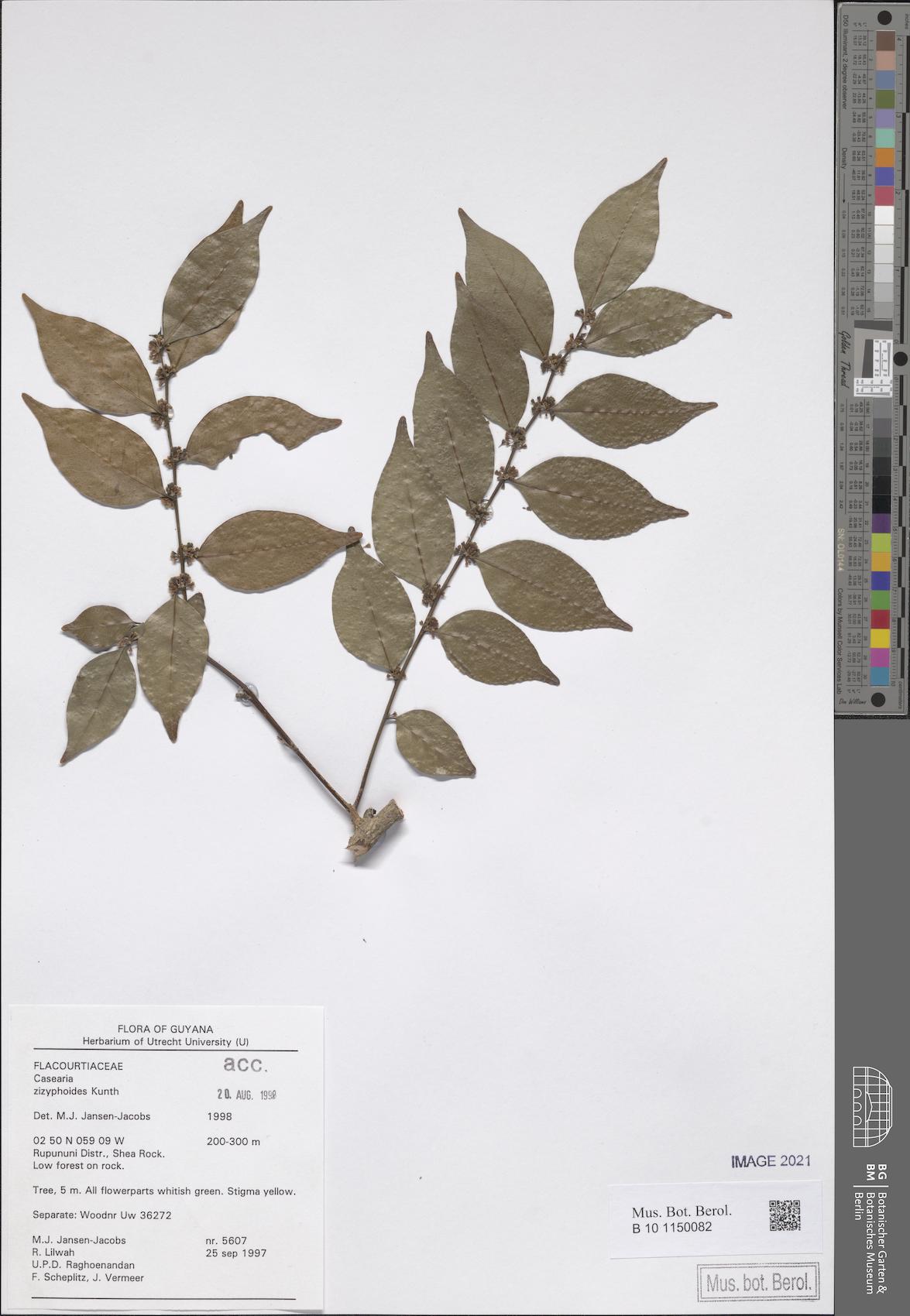
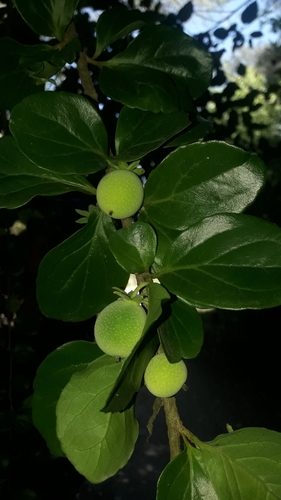
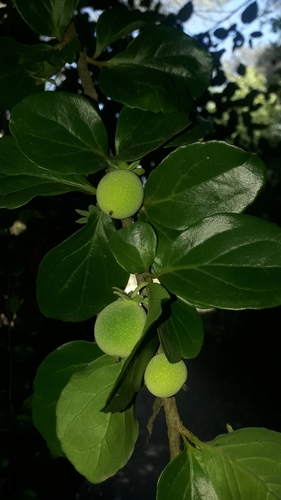
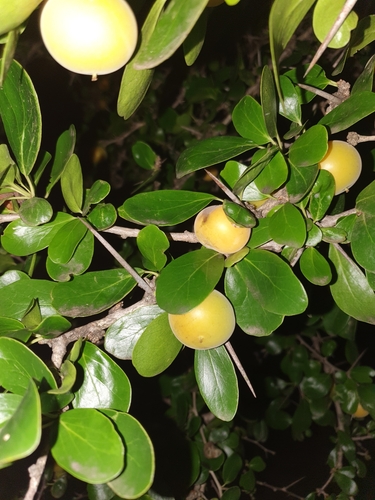
A deciduous tree. It grows 15 m tall. It is a broadly spreading tree. The bark is grey-brown with shallow cracks. The leaves are narrowly oval and 12 cm long by 5 cm wide. They taper to a short point. There are fine teeth along the edge. The male and female flowers are both very small. They are in catkins 5 cm long. The fruit is a small green capsule. It releases fluffy white seeds.
Edible Uses
The inner bark can be eaten raw or cooked. It can also be dried, ground into a powder, and mixed with cereal flour for making bread. The flavour is very bitter, making it a famine food used only as a last resort. Young shoots can be cooked but are not very palatable.
Traditional Uses
The leaves are used for flavouring food.
This uses section is brief — help expand it
Medicinal Uses
The fresh bark of all willows contains salicin, which likely breaks down into salicylic acid (closely related to aspirin) in the body, acting as an anodyne and febrifuge. The bark of this species is used interchangeably with S. alba, and is taken internally for rheumatism, arthritis, gout, inflammatory stages of auto-immune diseases, diarrhoea, dysentery, feverish illnesses, neuralgia, and headache. Bark is harvested in summer and dried for later use. The leaves are used internally for minor feverish illnesses and colic, and can be harvested throughout the growing season for use fresh or dried. The German Commission E Monographs approve Salix for diseases accompanied by fever, rheumatic ailments, and headaches.
Known Hazards
Gastrointestinal bleeding & kidney damage possible. Avoid concurrent administration with other aspirin-like drugs. Avoid during pregnancy. Drug interactions associated with salicylates applicable.
Distribution
It is native to Asia and Europe. It grows along riverbanks and in meadows. It suits hardiness zones 5-10.
Where It Grows
Australia, Britain, Canada, Central Asia, Europe, Germany, Greece, Luxembourg, Mediterranean, North America, Tajikistan, USA,
Cultivation
Succeeds in most soils, including wet, ill-drained or intermittently flooded soils, but prefers a damp, heavy soil in a sunny position. Rarely thrives on chalk. Hybridizes freely with other members of this genus. Although the flowers are produced in catkins early in the year, they are pollinated by bees and other insects rather than by the wind. A very ornamental plant. Best planted into its permanent position when young. The root system is rather aggressive and can cause problems with drains. The dried or bruised leaves have a sweet aromatic fragrance. The scent resembles oil of wintergreen and is due to the presence of salicyl aldehyde. Cultivated for its use in basket making, there are several named varieties. Plants in this genus are notably susceptible to honey fungus. Dioecious. Male and female plants must be grown if seed is required.
Propagation
Seed must be surface sown as soon as it ripens in late spring, as viability is very short — perhaps only a few days. Cuttings of mature wood from the current year's growth can be taken November to February and rooted in a sheltered outdoor bed or planted directly into their permanent position with a good weed-suppressing mulch; this is very easy. Plant out in autumn. Half-ripe cuttings taken June to August and rooted in a frame are also very easy.
Other Uses
The flexible stems are used in basket making. Plants are usually coppiced annually for this purpose, though coppicing every two years yields thicker poles suitable for uprights. The dried leaves have a pleasant aromatic scent and can be used in pot-pourri. The plant is a dynamic accumulator and succeeds in most soils, including wet, poorly drained, or intermittently flooded conditions.
Notes
There are about 300 Salix species.
References (6)
- Coombes, A.J., 2000, Trees. Dorling Kindersley Handbooks. p 292
- Cundall, P., (ed.), 2004, Gardening Australia: flora: the gardener's bible. ABC Books. p 1298
- Farrar, J.L., 1995, Trees of the Northern United States and Canada. Iowa State University press/Ames p 325
- Plants for a Future database, The Field, Penpol, Lostwithiel, Cornwall, PL22 0NG, UK. http://www.scs.leeds.ac.uk/pfaf/
- Sfikas, G., 1984, Trees and shrubs of Greece. Efstathiadis Group. Athens. p 166
Show all 6 references Hide references
- Sp. pl. 2:1016. 1753