Salacia stuhlmanniana
Loes.
Celastraceae Edible: Fruit
gbif· cc-by
Royal Botanic Gardens, Kew
gbif· cc-by
Royal Botanic Gardens, Kew
gbif· cc-by
Royal Botanic Gardens, Kew
Description
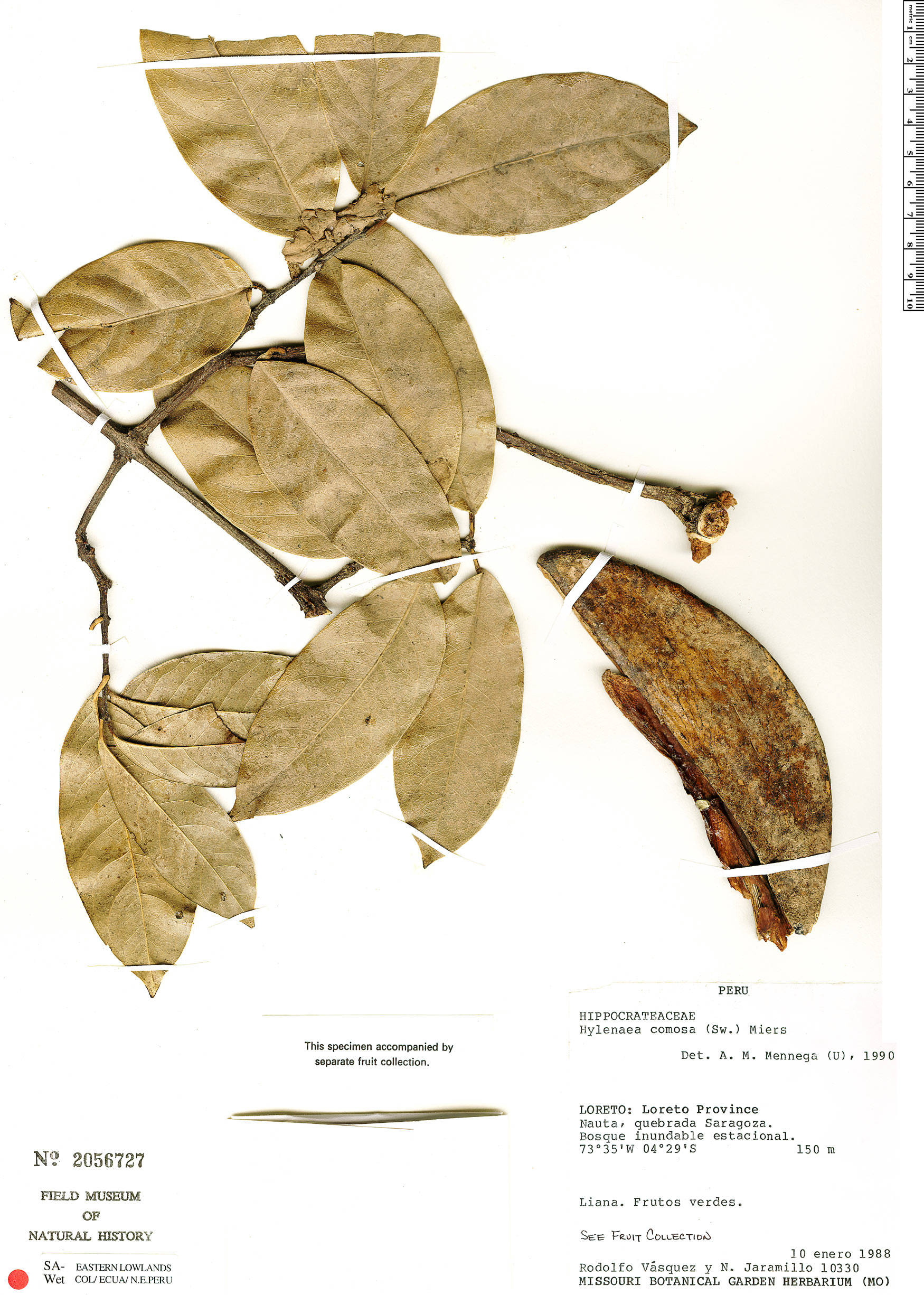
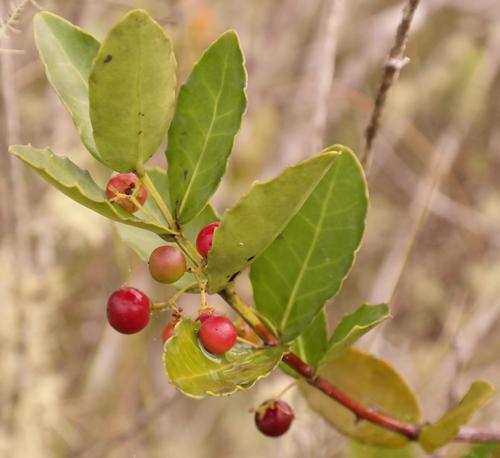
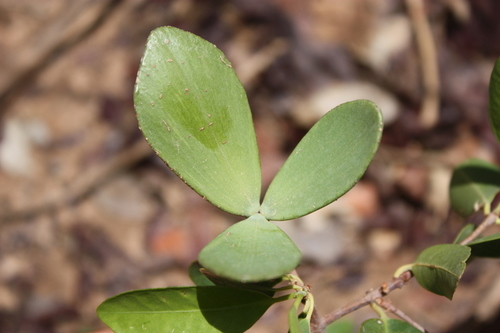
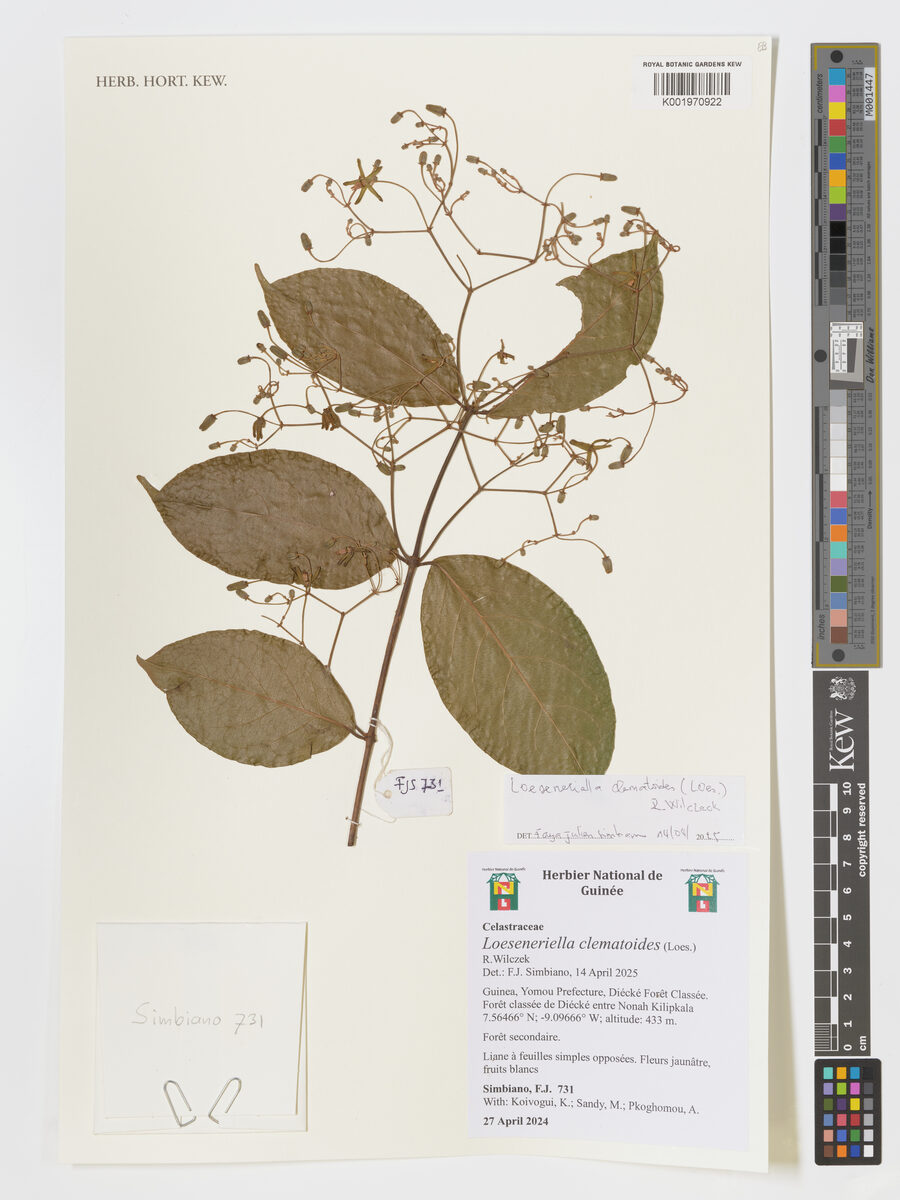
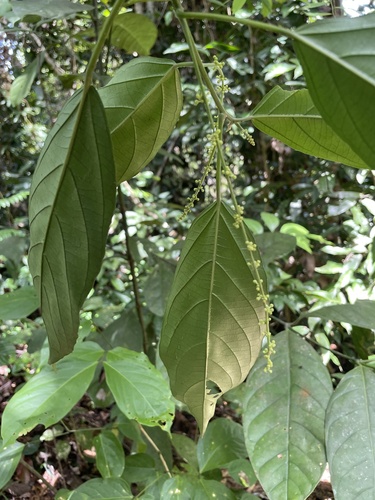
A scrambling shrub. It grows 2 m high. The fruit pulp is orange-red when ripe. It is sweet and edible.
This description is brief — help expand it
Edible Uses
The fruit pulp is sweet and edible.
Distribution
A tropical plant. It grows in savannah areas in West Africa.
Where It Grows
Africa, Burkina Faso, Côte d'Ivoire, East Africa, Ghana, Kenya, Ivory Coast, Mozambique, Tanzania, West Africa,
Other Information
It is occasionally eaten in West Africa.
Synonyms
Salacia gilgiana Loes.Salacia lomensis Loes.
Also Known As
Makakumo
References (9)
- Ambe, G., 2001, Les fruits sauvages comestibles des savanes guinéennes de Côte-d’Ivoire : état de la connaissance par une population locale, les Malinké. Biotechnol. Agron. Soc. Environ. 5(1), 43-48
- Burkill, H. M., 1985, The useful plants of west tropical Africa, Vol. 1. Kew.
- East African Herbarium records, 1981,
- Fox, F. W. & Young, M. E. N., 1982, Food from the Veld. Delta Books. p 151
- Jardin, C., 1970, List of Foods Used In Africa, FAO Nutrition Information Document Series No 2.p 160
Show all 9 references Hide references
- JSTOR Global Plants edible
- Mutie, F. M., et al, 2023, Important Medicinal and Food Taxa (Orders and Families) in Kenya, Based on Three Quantitative Approaches. Plants 2023, 12, 1145
- Peters, C. R., O'Brien, E. M., and Drummond, R.B., 1992, Edible Wild plants of Sub-saharan Africa. Kew. p 81
- World Checklist of Useful Plant Species 2020. Royal Botanic Gardens, Kew