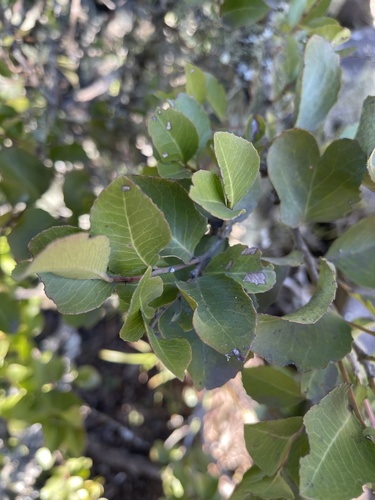
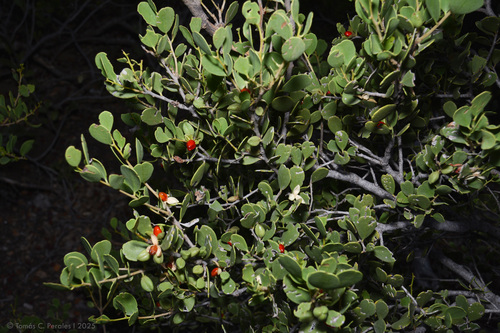
Euonymus hamiltonianus maackii - (Rupr.)Komar.
(Rupr.)Komar.
gbif· cc-by
Meise Botanic Garden
Description
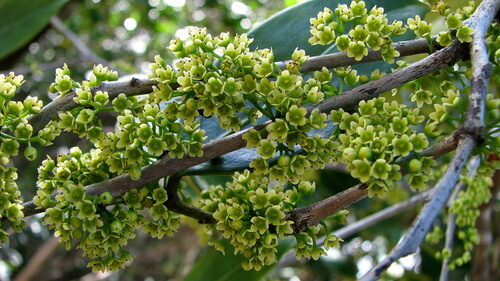
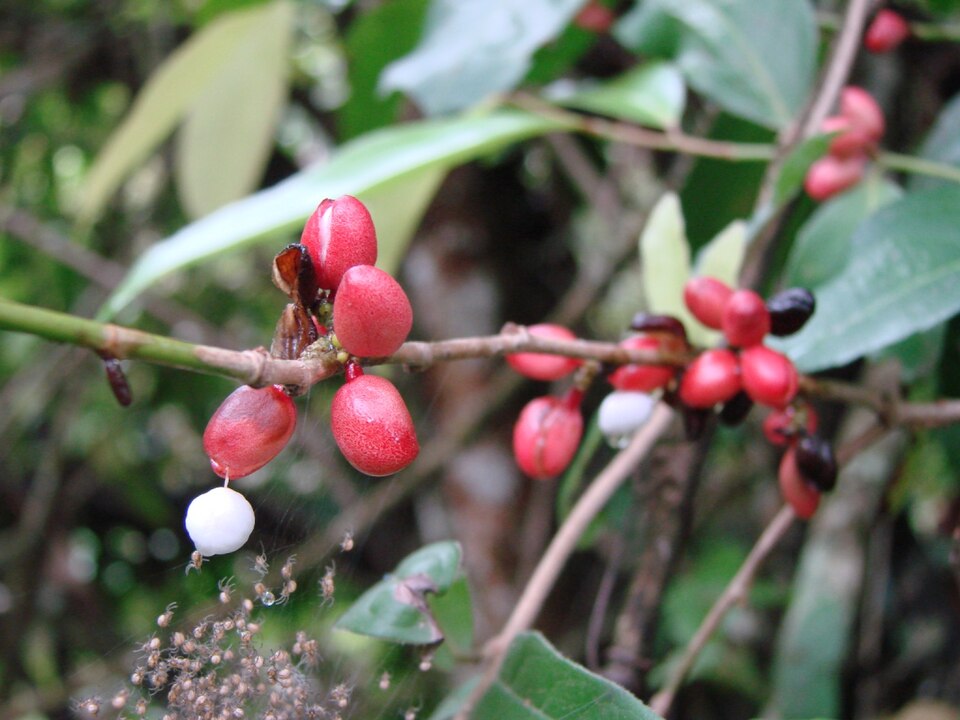
Euonymus hamiltonianus maackii is a deciduous Shrub growing to 6 m (19ft 8in). See above for USDA hardiness. It is hardy to UK zone 4. It is in flower in June. The species is hermaphrodite (has both male and female organs) and is pollinated by Insects. Suitable for: light (sandy), medium (loamy) and heavy (clay) soils. Suitable pH: mildly acid, neutral and basic (mildly alkaline) soils. It can grow in semi-shade (light woodland) or no shade. It prefers dry or moist soil.
Edible Uses
Young leaves - boiled.This report should be treated with some caution since many members of this genus are poisonous.
Known Hazards
Although no records of toxicity have been seen for this species, a number of plants in this genus are suspected of being poisonous and so some caution is advised.
Distribution
E. Asia - N. China, Korea.
Where It Grows
Coming Soon
Cultivation
Thriving in almost any soil, including chalk, it is particularly suited to dry shaded areas. Prefers a well-drained loamy soil. Cultivated for its latex in Russia, producing most when grown in open arid habitats.
Propagation
Seed - best sown as soon as it is ripe in a cold frame. Stored seed requires 3 months cold stratification so should be sown as early in the year as possible in a cold frame. The seed can take 18 months to germinate. When they are large enough to handle, prick the seedlings out into individual pots and grow them on in the greenhouse for at least their first winter. Plant them out into their permanent positions in late spring or early summer, after the last expected frosts. Cuttings of half-ripe wood, taken at a node, July/August in a frame. Very easy. Root cuttings in winter.
Other Uses
Latex. Roots yield up to 6% gutta-percha, a non-elastic rubber used as an electrical insulator and in making plastics etc.