Rumex bucephalophorus
L.
Red dock
iNaturalist· cc-by
(c) Borja Fierro, some rights reserved (CC BY), uploaded by Borja Fierro
iNaturalist· cc-by-nc
(c) babisloyfakis, some rights reserved (CC BY-NC)
iNaturalist· cc-by-nc
(c) Santiago Sardinero, some rights reserved (CC BY-NC)
Summary
Source: WikipediaRumex bucephalophorus, also known as horned, red, or ruby dock is an annual herbaceous plant that is part of the family Polygonaceae. The scientific name Rumex bucephalophorus was first described and published by Linnaeus in 1753 in Species Plantarum. Other scientific names have also been given to Rumex bucephalophorus such as Bucephalophora aculeata and Lapathum bucephalophorum. R. bucephalophorus is most commonly found in subcoastal or coastal regions, but also are "casual aliens", few and far between, among inland populations. Rumex bucephalophorus is native to the Mediterranean Basin and grows best in areas with little human intervention.
Description
A low to medium herb. It grows 5-20 cm high. It grows each year from seed. There can be a few wiry stems. The leaves are very small and sword shaped. The flowers are small and greenish. The fruit are on stalks which curve backwards.
Edible Uses
This plant is eaten cooked, though the specific part of the plant consumed has not been recorded.
Traditional Uses
The young leaves and shoots are eaten raw in salads. They are also used in stews.
This uses section is brief — help expand it
Medicinal Uses
None known.
Known Hazards
R. bucephalophorus does not have any known uses, but it is an edible plant. There is a danger, however, because its leaves contain a high level of oxalic acid that can be potentially dangerous in large amounts. This oxalic acid gives the leaves an acid-lemon flavor.
Distribution
It grows in warm temperate places. It grows in sandy or rocky coastal places.
Where It Grows
Australia, Europe, Italy, Mediterranean, Portugal, Sicily, Spain, Turkey, Türkiye,
Cultivation
We have very little information on this species and do not know if it will be hardy in Britain, though judging by its native range it should succeed outdoors in many parts of this country. It is likely to be tolerant of maritime exposure and of dry soils. The following notes are based on the general needs of the genus. Succeeds in most soils but prefers a deep fertile moderately heavy soil that is humus-rich, moisture-retentive but well-drained and a position in full-sun or part shade.
Propagation
Sow seed in spring in a cold frame. Prick seedlings out into individual pots once large enough to handle, then plant out in summer.
Other Uses
Although no specific mention has been made for this species, dark green to brown and dark grey dyes can be obtained from the roots of many species in this genus without the need for a mordant.
Notes
There are about 200 Rumex species.
Also Known As
Acitusedda. Adeas de pajaro, Pardalina, Vinagrera
References (9)
- Blamey, M and Grey-Wilson, C., 2005, Wild flowers of the Mediterranean. A & C Black London. p 38
- Geraci, A., et al, 2018, The wild taxa utilized as vegetables in Sicily (Italy): a traditional component of the Mediterranean diet. Journal of Ethnobiology and Ethnomedicine (2018) 14:14
- Gonzalez, J. A., et al, 2011, The consumption of wild and semi-domesticated edible plants in the Arribes del Duero (Salamanca-Zamora, Spain): an ananalysis of traditional knowledge. Genetic Resources and Crop Evolution 58:991-1006
- Hussey, B.M.J., Keighery, G.J., Cousens, R.D., Dodd, J., Lloyd, S.G., 1997, Western Weeds. A guide to the weeds of Western Australia. Plant Protection Society of Western Australia. p 200
- Paczkowska, G . & Chapman, A.R., 2000, The Western Australian Flora. A Descriptive Calatogue. Western Australian Herbarium. p 461
Show all 9 references Hide references
- Pasta, S., et al, 2020, An Updated Checklist of the Sicilian Native Edible Plants: Preserving the Traditional Ecological Knowledge of Century-Old Agro-Pastoral Landscapes. Frontiers in Plant Science. Volume 11|Article 388
- Plants for a Future database, The Field, Penpol, Lostwithiel, Cornwall, PL22 0NG, UK. http://www.scs.leeds.ac.uk/pfaf/
- Sp. pl. 1:336. 1753
- Tardio, J., et al, Ethnobotanical review of wild edible plants in Spain. Botanical J. Linnean Soc. 152 (2006), 27-71
More from Polygonaceae
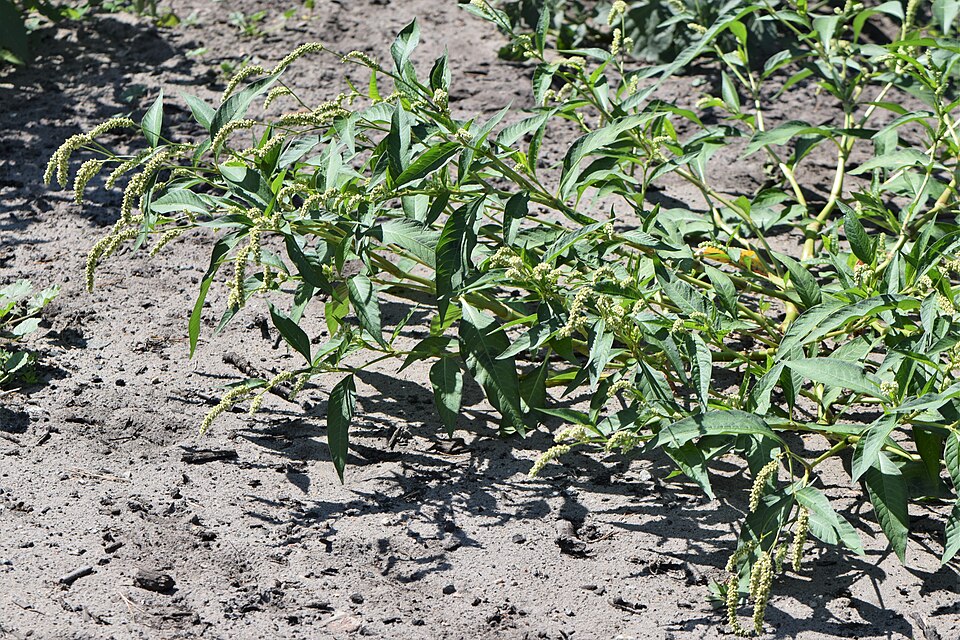
Persicaria maculata
Lady’s thumb, Knotweed, Red Leg
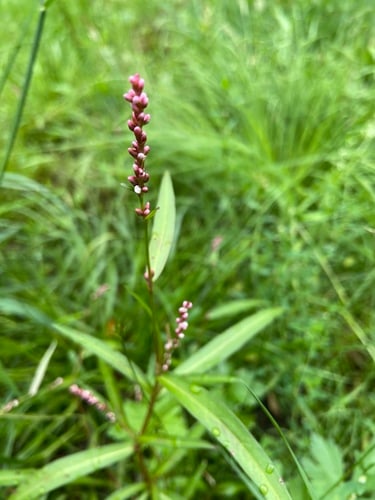
Persicaria minor
Spotted Ladysthumb, Small water-pepper
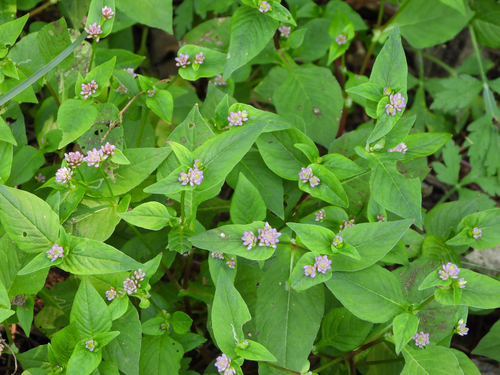
Persicaria nepalensis
Nepalese Smartweed
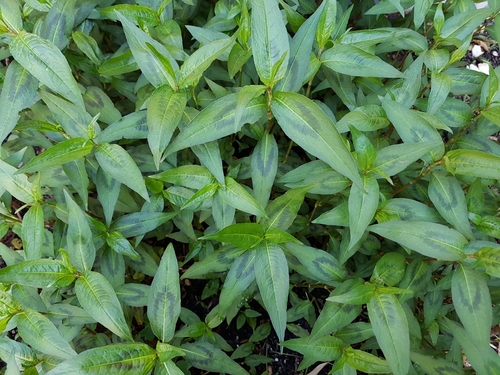
Persicaria odorata
Vietnamese mint, Vietnamese coriander
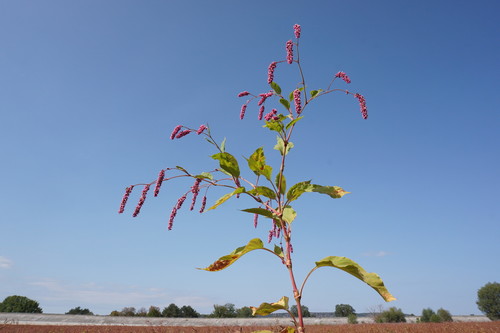
Persicaria orientalis
Prince’s Feathers, Prince’s Plume
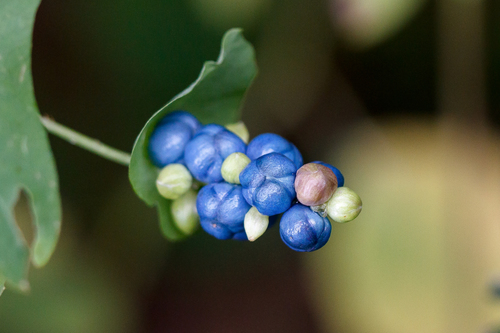
Persicaria perfoliata
Asiatic tearthumb