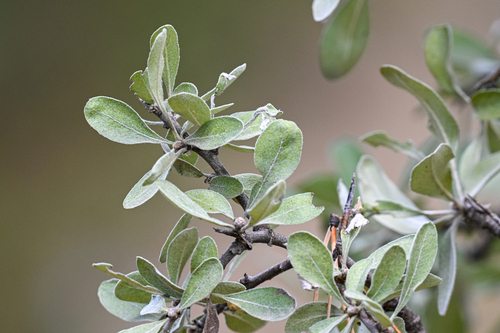
Rubus tomentosus
Borck.
Yellowberry
iNaturalist· cc-by
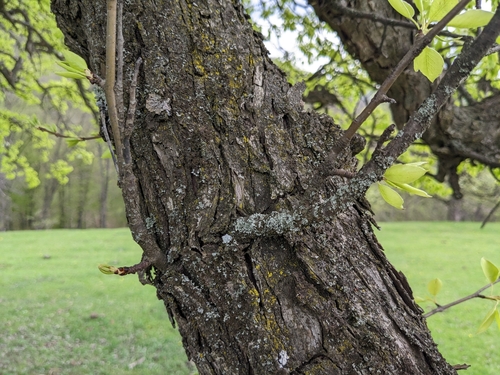
(c) Dmitriy Bochkov, some rights reserved (CC BY)
iNaturalist· cc-by
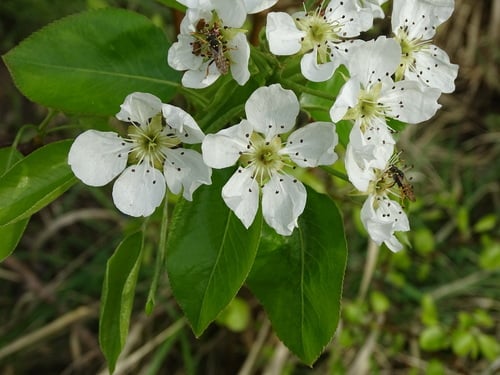
(c) Dmitriy Bochkov, some rights reserved (CC BY)
iNaturalist· cc-by
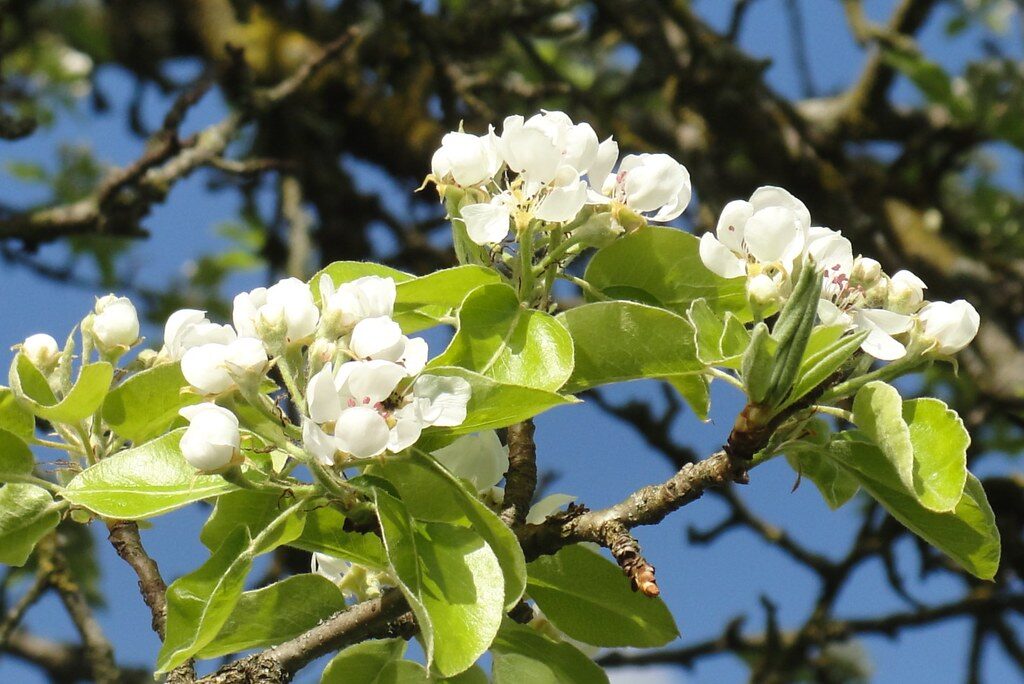
(c) Dmitriy Bochkov, some rights reserved (CC BY)
Summary
Source: WikipediaRubus tomentosus is a European and Middle Eastern species of brambles in the rose family. It grows in southern and central Europe and in southwestern Asia from Portugal to Iran, north as far as Germany, Poland, and Ukraine. There are a few reports of the species sparingly naturalized in the State of West Virginia in the eastern United States. Some sources consider R. tomentosus to be the same species as R. canescens. The genetics of Rubus is extremely complex, so that it is difficult to decide on which groups should be recognized as species. There are many rare species with limited ranges such as this. Further study is suggested to clarify the taxonomy.
Description
A temperate shrub in the Rosaceae family that produces yellowberries. One of approximately 250 Rubus species adapted to cool climates.
This description is brief — help expand it
Edible Uses
The fruit is eaten.
Distribution
It is a temperate plant.
Where It Grows
Europe, Greece, Mediterranean,
Notes
There are about 250 Rubus species.
Dangerous Lookalikes
This plant can be confused with the following toxic species. Always verify identification carefully before consuming any wild plant.
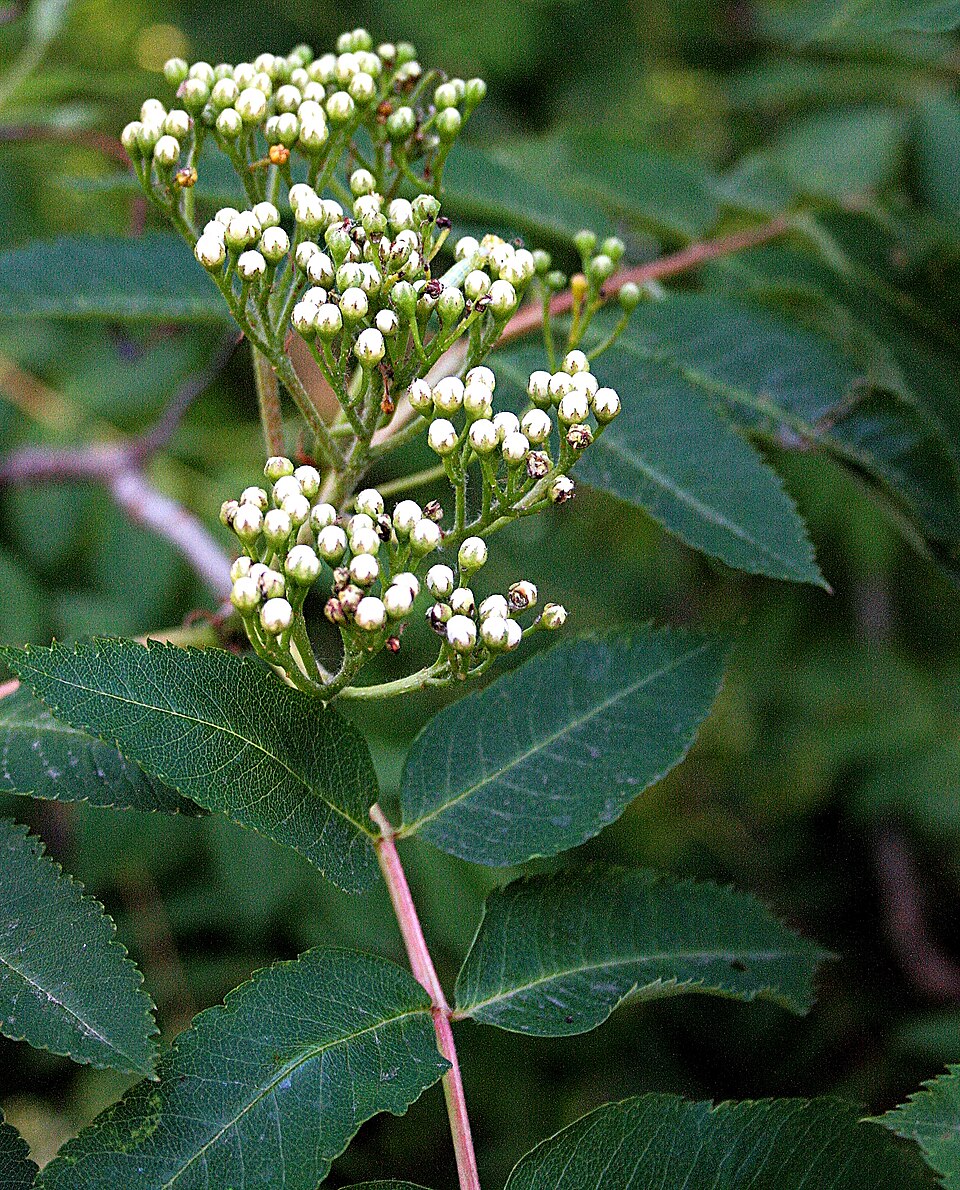
Red Baneberry
Actaea rubra
Walter Siegmund (talk)
Yellowberry
Rubus tomentosus
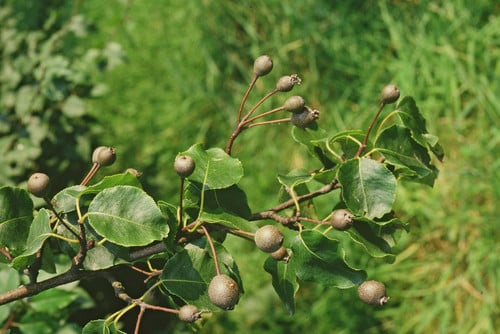
(c) Dmitriy Bochkov, some rights reserved (CC BY)
Red Baneberry: Short herbaceous plant (no thorns), berries on thick red stems, each berry has a single seed, compound sharply-toothed leaves.
Yellowberry: Thorny woody canes (brambles), aggregate berry made of many drupelets, berries pull easily from receptacle.
References (3)
- Jennings, D.L., 1979, Raspberries and blackberries, in Simmonds, N.W., (ed), Crop Plant Evolution. Longmans. London. p 251
- Neues Mag. Bot. 1:2. 1794 - an illegitimate, superfluous name (ICBN Art. 52) as Borkhausen cited Rubus occidentalis L.
- Sfikas, G., 1984, Trees and shrubs of Greece. Efstathiadis Group. Athens. p 80