Rubus henryi
Hemsl. & Kuntze.
iNaturalist· cc-by-nc
(c) Sonja Deneve, some rights reserved (CC BY-NC), uploaded by Sonja Deneve
wikimedia· cc-by-sa
Wikimedia Commons
wikimedia· cc-by-sa
Wikimedia Commons - Denis.prévôt
Summary
An evergreen climbing shrub reaching 6 m tall by 3 m wide, growing at a fast rate. Hardy to UK zone 6. Retains foliage year-round, flowers June to August with seeds ripening August to September. Hermaphroditic flowers pollinated by insects. Accommodates light sandy, medium loamy, and heavy clay soils with good drainage. Tolerates mildly acidic to basic pH. Grows in semi-shaded woodland or full sun. Prefers moist soil.
Description
A climbing shrub. It keeps its leaves throughout the year. It grows 6 m long. The young branches are brown with a coating at first. There are a few small curved prickles. The leaves are 8-15 cm long by 7-14 cm wide. They have 3-5 lobes. There are 9-20 flowers in a group near the end of the branches. The petals are red. The fruit are aggregate and black. They are 1.3-1.5 cm across.
Edible Uses
The black fruit, 13–15mm in diameter, has a very sweet flavour and can be eaten raw or cooked. Young leaves can be used to make tea.
Medicinal Uses
None known.
Distribution
It is a temperate plant. It grows in valleys and forests below 2,500 m above sea level. In Sichuan.
Where It Grows
Asia, China,
Cultivation
Easily grown in a good well-drained loamy soil in sun or semi-shade, preferring light shade. Requires a fertile humus-rich soil. Prefers a neutral to acid soil but tolerates some alkalinity so long as the soil does not become dry. Hardy to about -14°c. A scrambling climbing plant, supporting itself by means of hooked prickles. The plant is moderately fast-growing and can become invasive when in good conditions. Plants are very vigorous. The plant has biennial stems produced from a perennial rootstock. These stems flower and fruit in their second year and then die. Plants in this genus are notably susceptible to honey fungus.
Propagation
Seed requires stratification and is best sown in early autumn in a cold frame. Stored seed needs one month stratification at about 3°C and should be sown as early as possible in the year. Prick out seedlings when large enough to handle and grow on in a cold frame, then plant out into permanent positions in late spring of the following year. Cuttings of half-ripe wood can be taken in July/August in a frame. Tip layer in July and plant out in autumn. Divide in early spring or just before leaf-fall in autumn.
Other Uses
A purple to dull blue dye is obtained from the fruit.
Production
In China plants flower in May to June and fruit July to August.
Notes
There are about 250 Rubus species.
Dangerous Lookalikes
This plant can be confused with the following toxic species. Always verify identification carefully before consuming any wild plant.
Red Baneberry
Actaea rubra
Walter Siegmund (talk)
Rubus henryi
Rubus henryi
(c) Sonja Deneve, some rights reserved (CC BY-NC), uploaded by Sonja Deneve
Red Baneberry: Short herbaceous plant (no thorns), berries on thick red stems, each berry has a single seed, compound sharply-toothed leaves.
Rubus henryi: Thorny woody canes (brambles), aggregate berry made of many drupelets, berries pull easily from receptacle.
References (3)
- F. B. Forbes & W. B. Hemsley, J. Linn. Soc., Bot. 23:231. 1887
- Flora of China @ efloras.org Volume 9
- Plants for a Future database, The Field, Penpol, Lostwithiel, Cornwall, PL22 0NG, UK. http://www.scs.leeds.ac.uk/pfaf/
More from Rosaceae
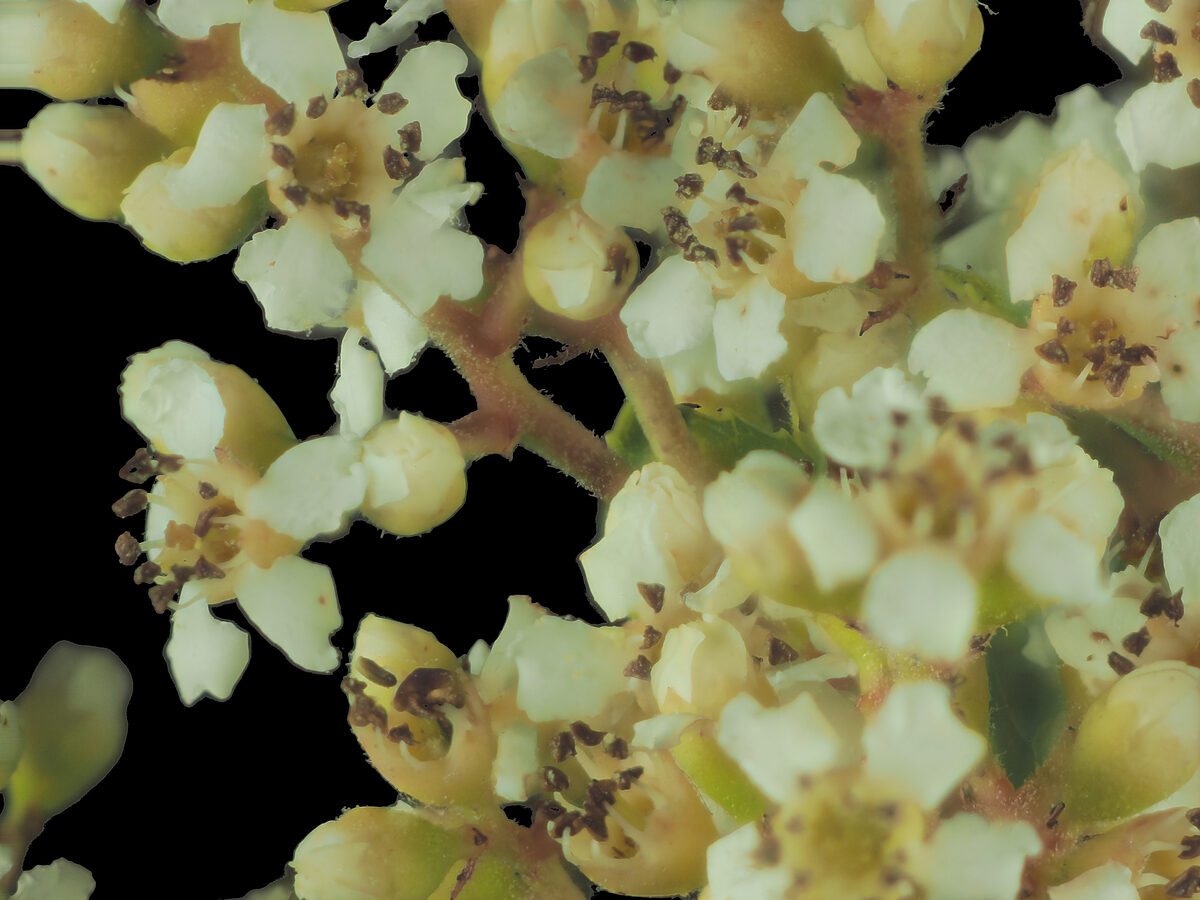
Photinia salicifolia
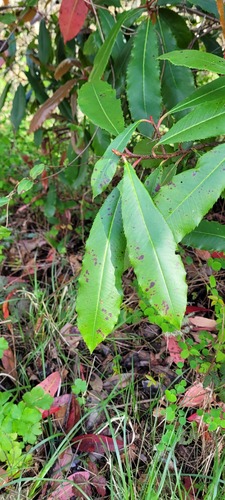
Photinia serrulata
Photinia
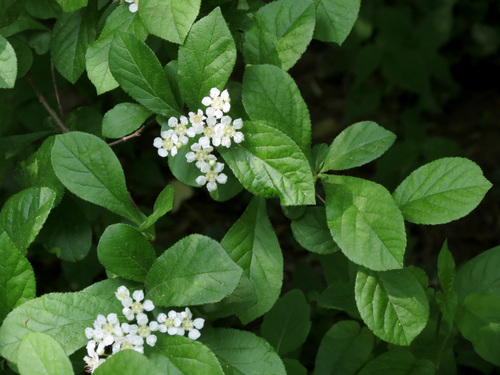
Photinia villosa
Oriental Photinia
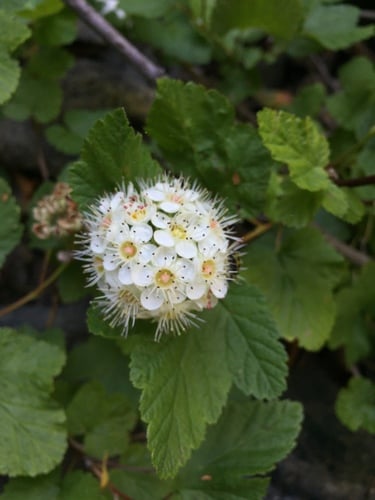
Physocarpus capitatus
Pacific ninebark
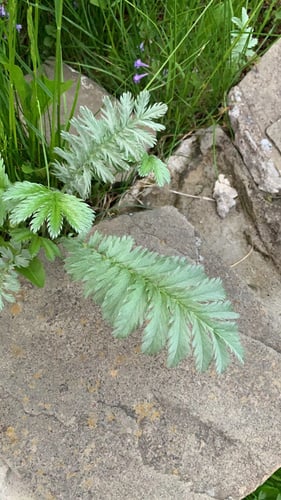
Potentilla anserina
Silverweed, Goose grass, Goose tansy, Shrubby cinquefoil, Argentine, Tibetan sweet potato
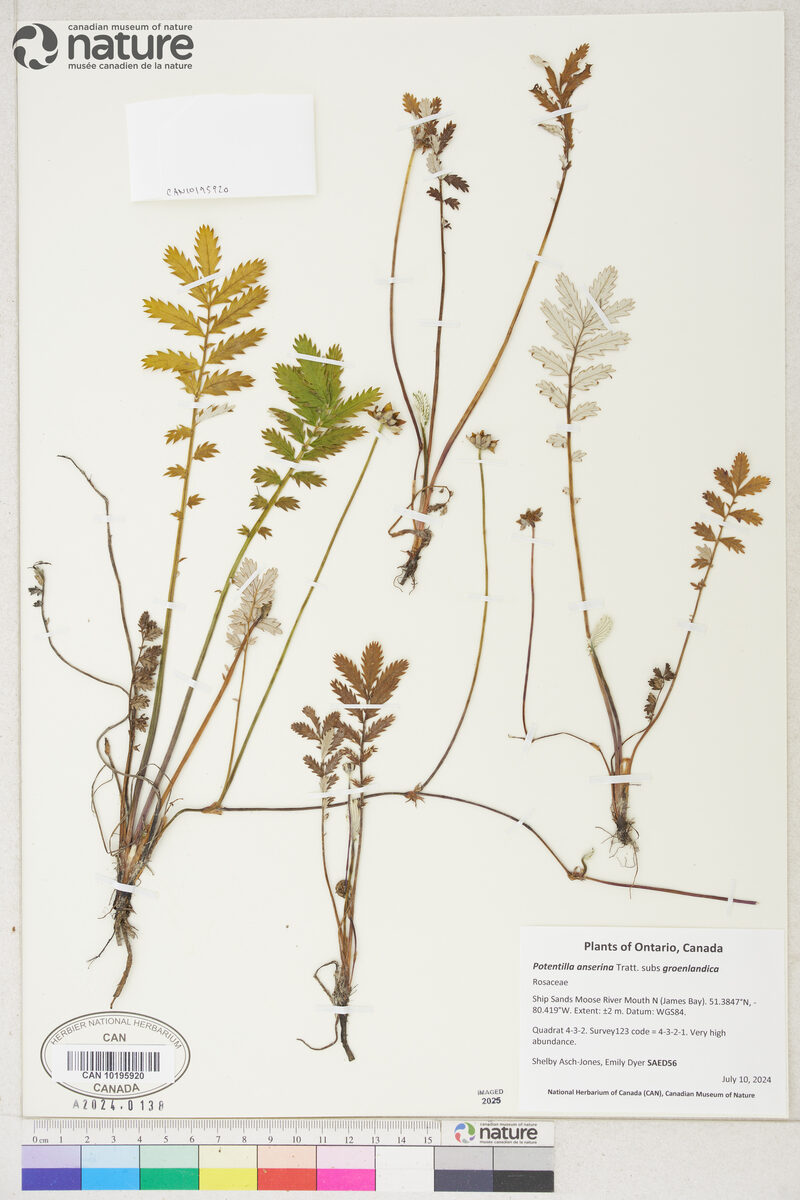
Potentilla anserina subsp. groenlandica
Pacific silverweed, Eged's pacific silverweed