Potentilla anserina subsp. groenlandica
Tratt.
Pacific silverweed, Eged's pacific silverweed
gbif· cc-by-nc
©Canadian Museum of Nature
gbif· cc-by-nc
©Canadian Museum of Nature
gbif· cc-by-nc
©Canadian Museum of Nature
Description
A herb. It grows about 15 cm tall. It has runners or stolons. The leaflets have short hairs underneath. Now Potentilla anserina subsp. groenlandica Tratt.
Edible Uses
The roots are cooked and eaten or dried and stored, used in salads and sandwiches. The leaves can be made into tea.
Traditional Uses
The roots are cooked and eaten or dried and stored. They are used in salads and in sandwiches.
This uses section is brief — help expand it
Medicinal Uses
The roots and tubers are used for food and medicinal purposes.
Distribution
It is a cool temperate plant. It grows in coastal sands and freshwater marshes.
Where It Grows
Alaska, Asia, Canada, Korea, North America, USA,
Other Information
It was an important food in Canada.
Notes
There are about 500 Potentilla species.
Synonyms
Also Known As
Enegaasget, Marallaq
References (7)
- BRIT Native American Ethnobotany database (As Argentina engedi)
- Fl. dan. 9(27):5, t. 1578. 1818
- Jernigan, K. (Ed.), 2012, A Guide to the Ethnobotany of the Yukon-Kuskokwim Region. Draft.
- Lim, T. K., 2015, Edible Medicinal and Non Medicinal Plants. Volume 9, Modified Stems, Roots, Bulbs. Springer p 68
- MacKinnon, A., et al, 2009, Edible & Medicinal Plants of Canada. Lone Pine. p 326
Show all 7 references Hide references
- Plants for a Future database, The Field, Penpol, Lostwithiel, Cornwall, PL22 0NG, UK. http://www.scs.leeds.ac.uk/pfaf/
- Turner, N. J. et al, 2011, Edible and Tended Wild Plants, Traditional Ecological Knowledge and Agroecology. Critical Reviews in Plant Sciences, 30:198-225 (As Argentina egedii)
More from Rosaceae
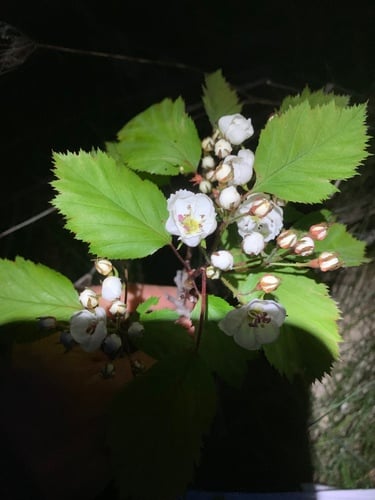
Crataegus coccinea
Kansas hawthorn, Scarlet hawthorn
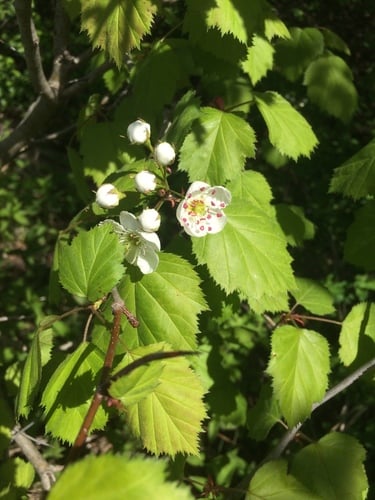
Crataegus coccinioides
Columbian hawthorn, Kansas hawthorn, Mississippi hawthorn
Crataegus coccinoides
Kansas Hawthorn
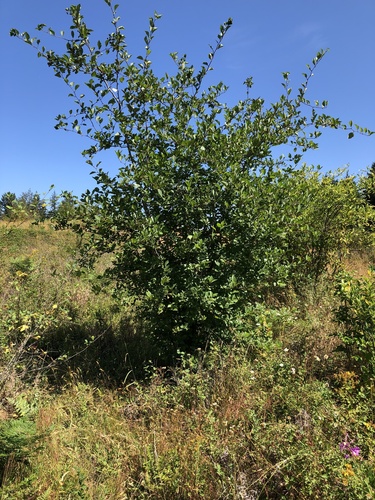
Crataegus columbiana
Columbia Hawthorn, Red hawthorn
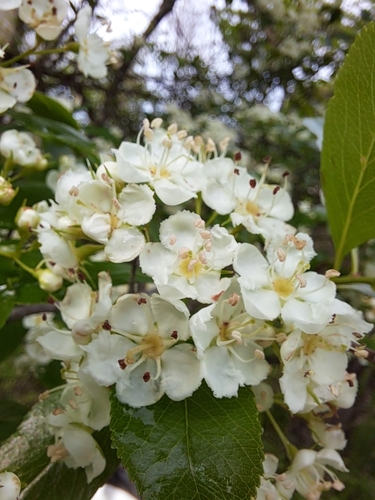
Crataegus crus-galli
Cockspur hawthorn, Cockspurthorn, Hog-apple, Newcastle-thorn
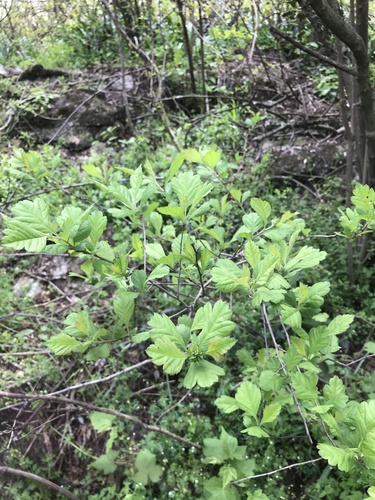
Crataegus cuneata
Chinese Hill Haw, Chinese Hawthorn, Red haw