Photinia salicifolia
C. Presl
wikimedia· cc-by
John Rusk from Berkeley, CA, United States of America (via Wikimedia Commons)
wikimedia· cc-by
Miguel Vieira from Walnut Creek, CA, USA (via Wikimedia Commons)
wikimedia· cc-by
Miguel Vieira from Walnut Creek, CA, USA (via Wikimedia Commons)
Description
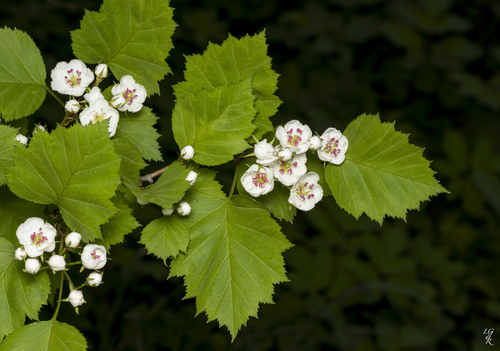
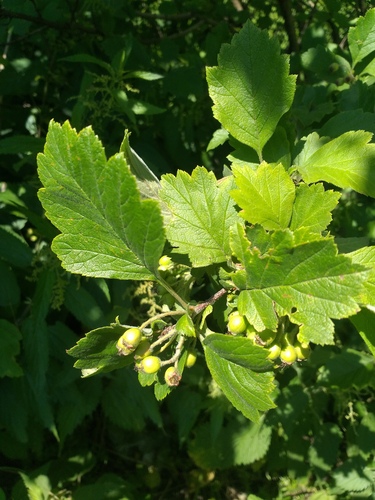
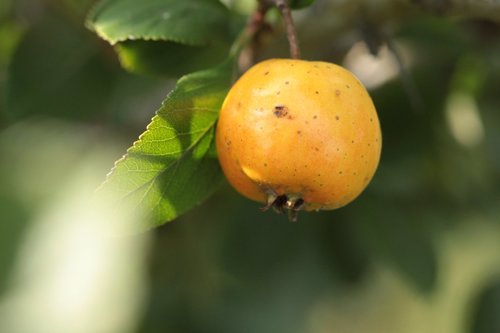
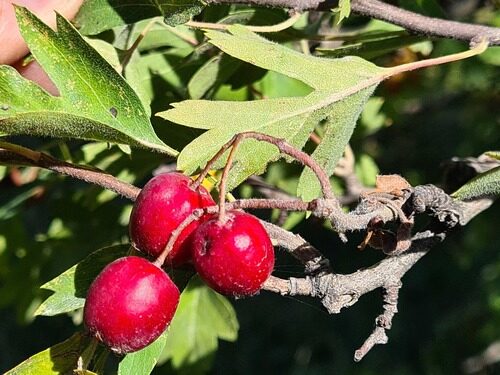
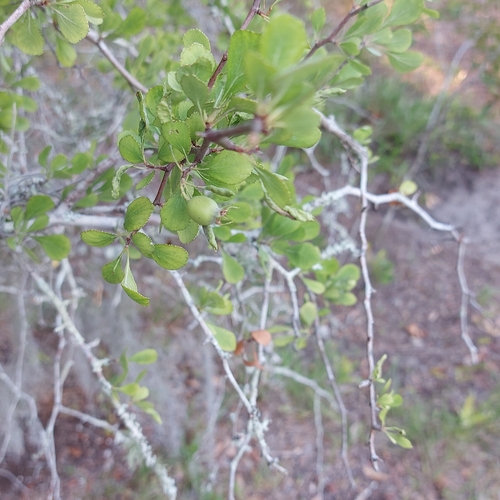
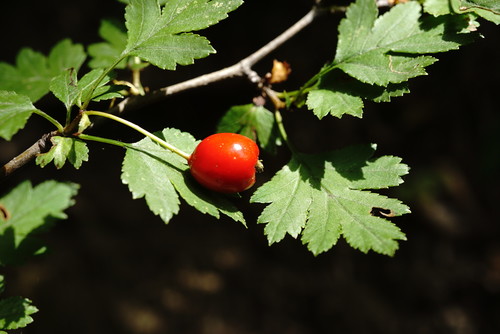
A shrub or small tree. It can grow 4 m tall. The fruit are reddish-orange. Possibly now Heteromeles salicifolia.
This description is brief — help expand it
Edible Uses
The fruit is edible.
Medicinal Uses
The plant has been used as a treatment for Alzheimer's disease by indigenous people of California and recent research has found a number of active compounds that are potentially beneficial to Alzheimer's treatment. These include icariside compounds, which protect the blood-brain barrier and prevent infiltration of inflammatory cells into the brain.
Known Hazards
Toyon pomes are acidic and astringent, and contain a small amount of cyanogenic glycosides, which break down into hydrocyanic acid on digestion. This is removed by mild cooking. Most fruits from plants in the family Rosaceae, including apples, apricots, peaches, cherries, and plums, contain cyanide. A 2016 study found 5g of the dried berries (used as a treatment for Alzheimer's) to be safe. The study also found no cyanogenic compounds in the plant.
Distribution
It is a temperate plant.
Where It Grows
North America, USA,
Notes
There are about 60 Photinia species.
References (3)
- Abh. Koenigl. Boehm. Ges. Wiss. ser. 5, 6:564; Epimel. bot. 204. 1851 ("1849")
- Beckstrom-Sternberg, Stephen M., and James A. Duke. "The Foodplant Database." http://probe.nalusda.gov:8300/cgi-bin/browse/foodplantdb.(ACEDB version 4.0 - data version July 1994)
- Phipps, J. B., 1992, Heteromeles and Photinia (Rosaceae, subfam. Maloideae) of Mexico and Central America. Can. J. Bot. Vol. 70