Rubus allegheniensis
Porter
Alleghany blackberry, Mountain blackberry
iNaturalist· cc-by-nc
(c) Jackie Anderson, some rights reserved (CC BY-NC), uploaded by Jackie Anderson
iNaturalist· cc-by-nc
(c) kjsytsma, some rights reserved (CC BY-NC), uploaded by kjsytsma
iNaturalist· cc-by-nc
(c) claire_kelley15, some rights reserved (CC BY-NC)
Summary
Source: WikipediaRubus allegheniensis is a North American species of highbush blackberry in Section Alleghenienses of the genus Rubus, a member of the rose family. It is the most common and widespread highbush blackberry in eastern and central North America. It is commonly known as Allegheny blackberry.
Description
A shrub. It grows 3 m high and spreads 1.8 m wide. It loses its leaves during the year. The stems are slender and arching. They have woolly tips. It has sharp hooked prickles. The leaves have 3-5 leaflets and double teeth along the edge. They are furry underneath. The flowers are white and have 5 petals. The fruit are black and cone shaped.
Edible Uses
The fruit can be eaten raw, cooked, or dried for later use. It has a pleasant, sweet, and somewhat spicy flavour, with individual fruits about 12mm in diameter and up to 3cm long. Young spring shoots can also be eaten raw — harvest them in spring, peel, and add to salads.
Traditional Uses
The fruit are eaten raw. They are also made into jams, preserves and fruit salads. They are used in pies. They are also dried for later use. The young shoots can be used in salads.
Medicinal Uses
The roots are antihaemorrhoidal, antirheumatic, astringent, stimulant, and tonic. A root infusion can be used to treat stomach complaints, diarrhoea, piles, coughs and colds, tuberculosis, and rheumatism. The same infusion has been used for women threatened with miscarriage, and the root can be chewed to treat a coated tongue. A root infusion also serves as a wash for sore eyes. The leaves are astringent, and a leaf infusion can treat diarrhoea. An infusion of the bark has been used for urinary problems, and a decoction of the stems has been used as a diuretic.
Distribution
A temperate plant. It suits hardiness zones 3-9.
Where It Grows
Australia, Britain, Canada, Denmark, Europe, North America, USA,
Cultivation
Easily grown in a good well-drained loamy soil in sun or semi-shade. Plants have biennial stems, they produce a number of new stems from the perennial rootstock each year, these stems fruit in their second year and then die. Often cultivated for its edible fruits in America, it is the parent of many named varieties. Plants in this genus are notably susceptible to honey fungus.
Propagation
Seed requires stratification and is best sown in early autumn in a cold frame. Stored seed needs one month stratification at about 3°c and should be sown as early as possible in the year. Prick out seedlings when large enough to handle and grow on in a cold frame, then plant out into permanent positions in late spring of the following year. Cuttings of half-ripe wood can be taken in July/August in a frame. Tip layering in July, planting out in autumn. Division can be done in early spring or just before leaf-fall in autumn.
Other Uses
A purple to dull blue dye is obtained from the fruit.
Other Information
It is cultivated.
Notes
There are about 250 Rubus species.
Dangerous Lookalikes
This plant can be confused with the following toxic species. Always verify identification carefully before consuming any wild plant.
Red Baneberry
Actaea rubra
Walter Siegmund (talk)
Alleghany blackberry
Rubus allegheniensis
(c) Jackie Anderson, some rights reserved (CC BY-NC), uploaded by Jackie Anderson
Red Baneberry: Short herbaceous plant (no thorns), berries on thick red stems, each berry has a single seed, compound sharply-toothed leaves.
Alleghany blackberry: Thorny woody canes (brambles), aggregate berry made of many drupelets, berries pull easily from receptacle.
Synonyms
Also Known As
Sow-teat blackberry
References (21)
- Bull. Torrey Bot. Club 23:153. 1896
- Cundall, P., (ed.), 2004, Gardening Australia: flora: the gardener's bible. ABC Books. p 1283
- Duke, J.A., 1992, Handbook of Edible Weeds. CRC Press. p 170
- Elias, T.S. & Dykeman P.A., 1990, Edible Wild Plants. A North American Field guide. Sterling, New York p 183
- Esperanca, M. J., 1988. Surviving in the wild. A glance at the wild plants and their uses. Vol. 1. p 245
Show all 21 references Hide references
- Facciola, S., 1998, Cornucopia 2: a Source Book of Edible Plants. Kampong Publications, p 208
- Fisk, J. R. & Hoover, E., 2015, Wild Fruits of Minnesota. A Field Guide. University of Minnesota p 17
- Jackes, D. A., 2007, Edible Forest Gardens
- Jennings, D.L., 1979, Raspberries and blackberries, in Simmonds, N.W., (ed), Crop Plant Evolution. Longmans. London. p 251
- John, L., & Stevenson, V., 1979, The Complete Book of Fruit. Angus & Robertson p 77
- Kermath, B. M., et al, 2014, Food Plants in the Americas: A survey of the domesticated, cultivated and wild plants used for Human food in North, Central and South America and the Caribbean. On line draft. p 758
- MacKinnon, A., et al, 2009, Edible & Medicinal Plants of Canada. Lone Pine. p 93
- Mansfield's Encyclopedia of Agricultural and Horticultural Crops p 429
- Medsger, O. P., 1939, Edible Wild Plants. Macmillan Company. p 28
- Moerman, D. F., 2010, Native American Ethnobotany. Timber Press. p 487
- Plants for a Future database, The Field, Penpol, Lostwithiel, Cornwall, PL22 0NG, UK. http://www.scs.leeds.ac.uk/pfaf/
- Reis, S. V. and Lipp, F. L., 1982, New Plant Sources for Drugs and Foods from the New York Botanical Garden herbarium. Harvard. p 103 (As Rubus nigrobaccus)
- Toupal, R. S. & Hollenback, K., 2009, An Ethnobotany of Indiana Dunes National Lakeshore: Plant Uses of the Ojibwa People. Bureau of Applied Research in Anthropology. University of Arizona
- van Wyk, B., 2005, Food Plants of the World. An illustrated guide. Timber press. p 328
- Wiersema, J. H. & Leon, B., 2013, World Economic Plants. A Standard Reference CRC Press. 2nd Ed. p 597
- World Checklist of Useful Plant Species 2020. Royal Botanic Gardens, Kew
More from Rosaceae
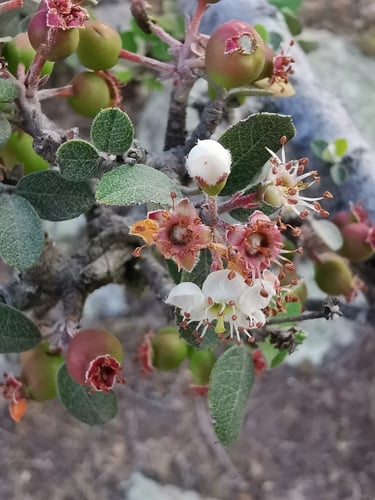
Malacomeles denticulata
Membrillo, Mexican serviceberry
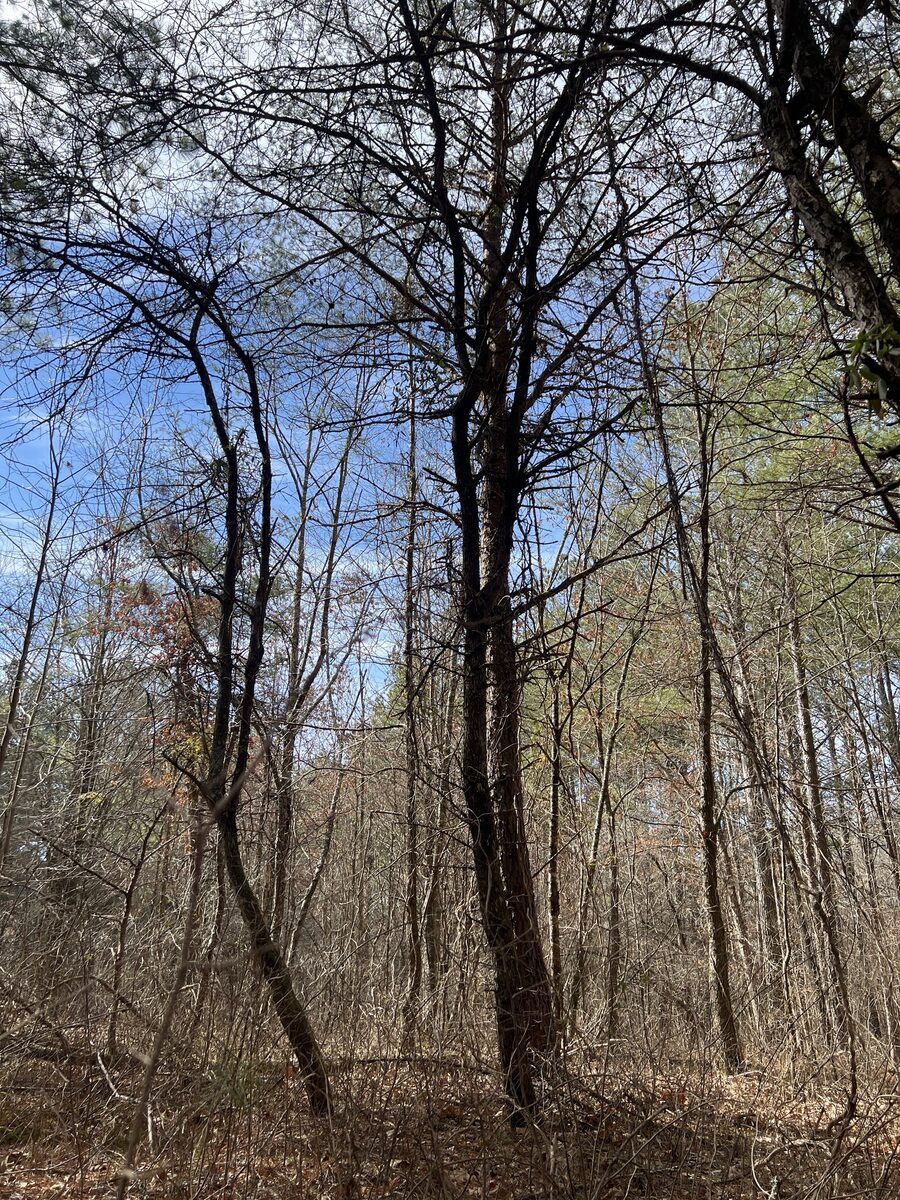
Malus angustifolia - (Aiton.)Michx.
Southern Crab, Southern crab apple
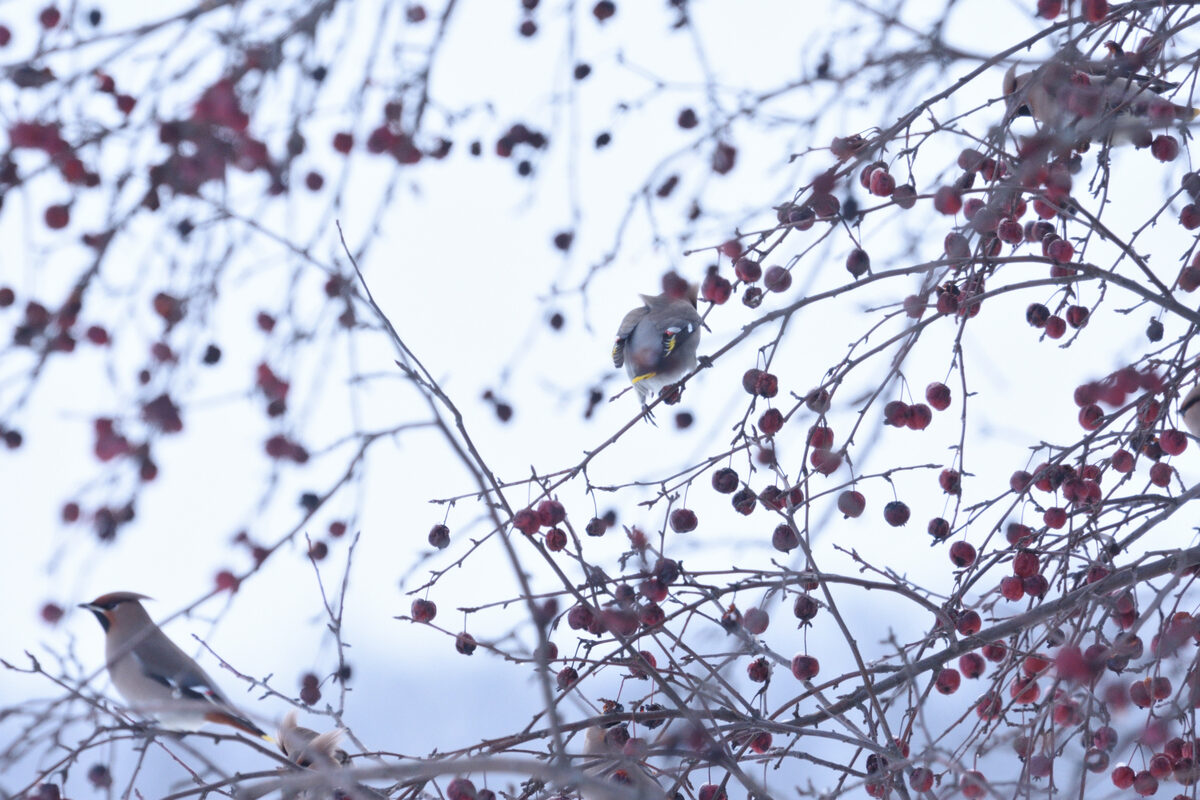
Malus baccata - (L.)Borkh.
Chinese Crab, Siberian crab apple
Malus baccata mandschurica - (Maxim.)Schneid.
Manchurian Apple
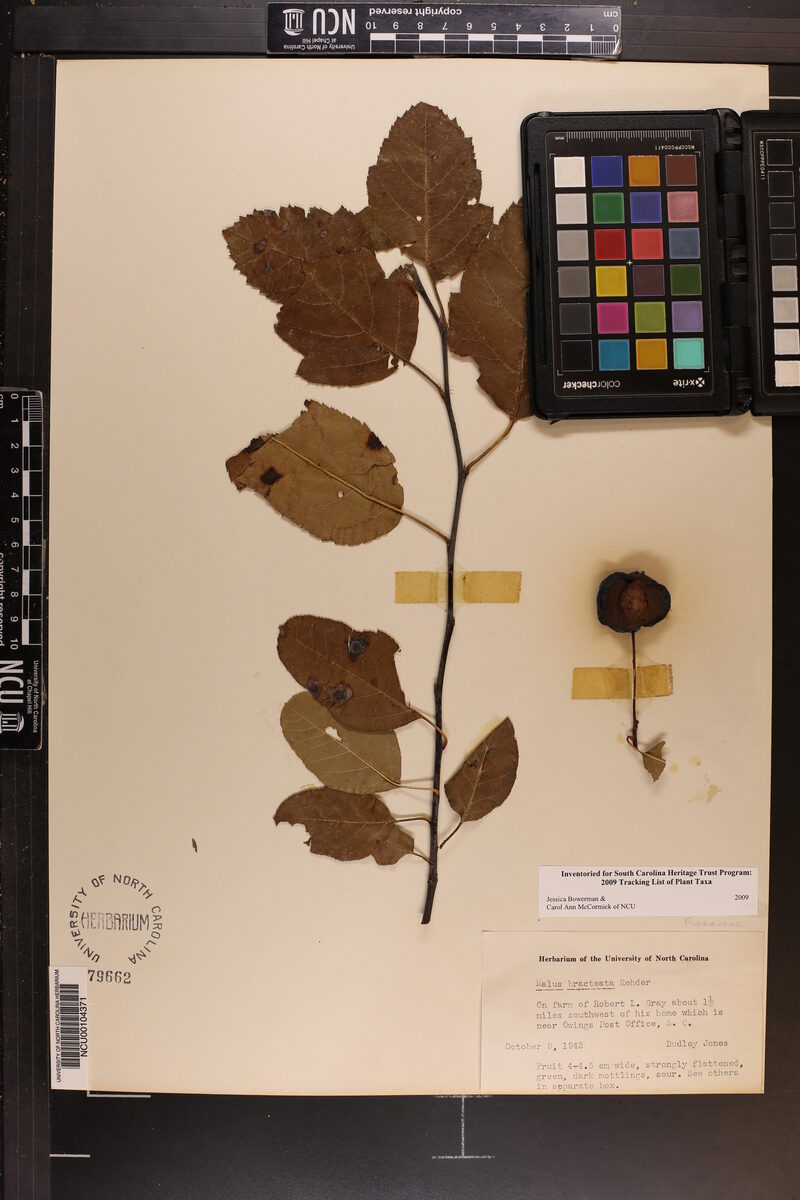
Malus bracteata
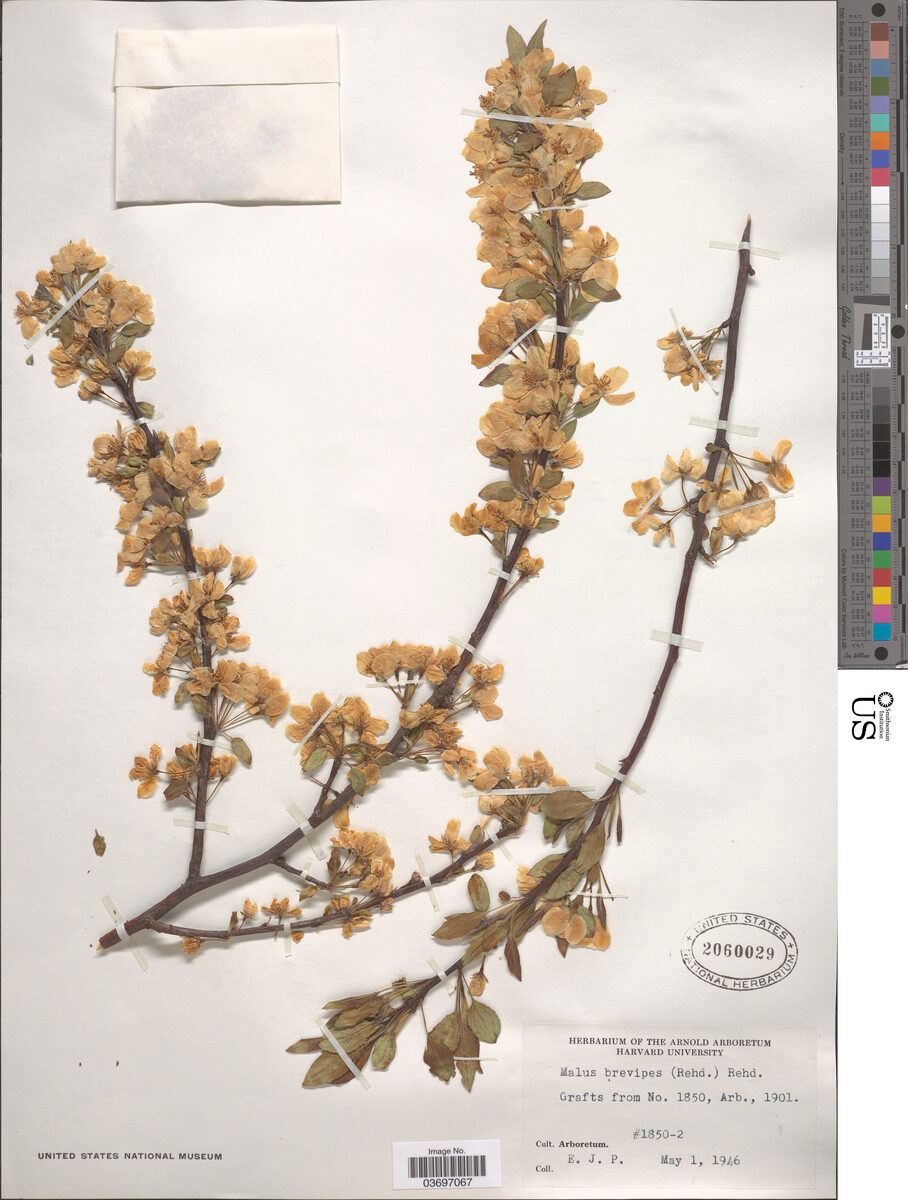
Malus brevipes - (Rehder.)Rehder.