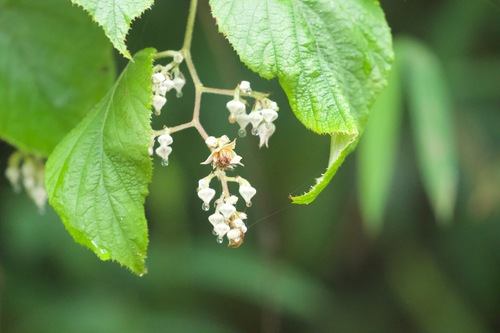
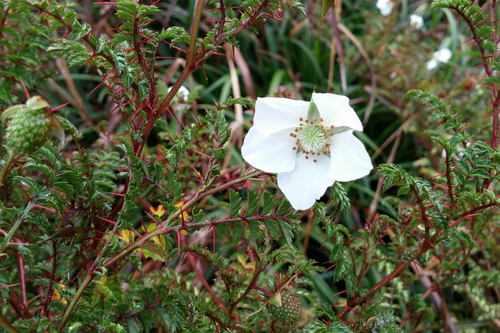
Sarcopoterium spinosum
(L.) Spach
Thorny burnet
iNaturalist· cc-by-nc
(c) Aleksandr Ebel, some rights reserved (CC BY-NC), uploaded by Aleksandr Ebel
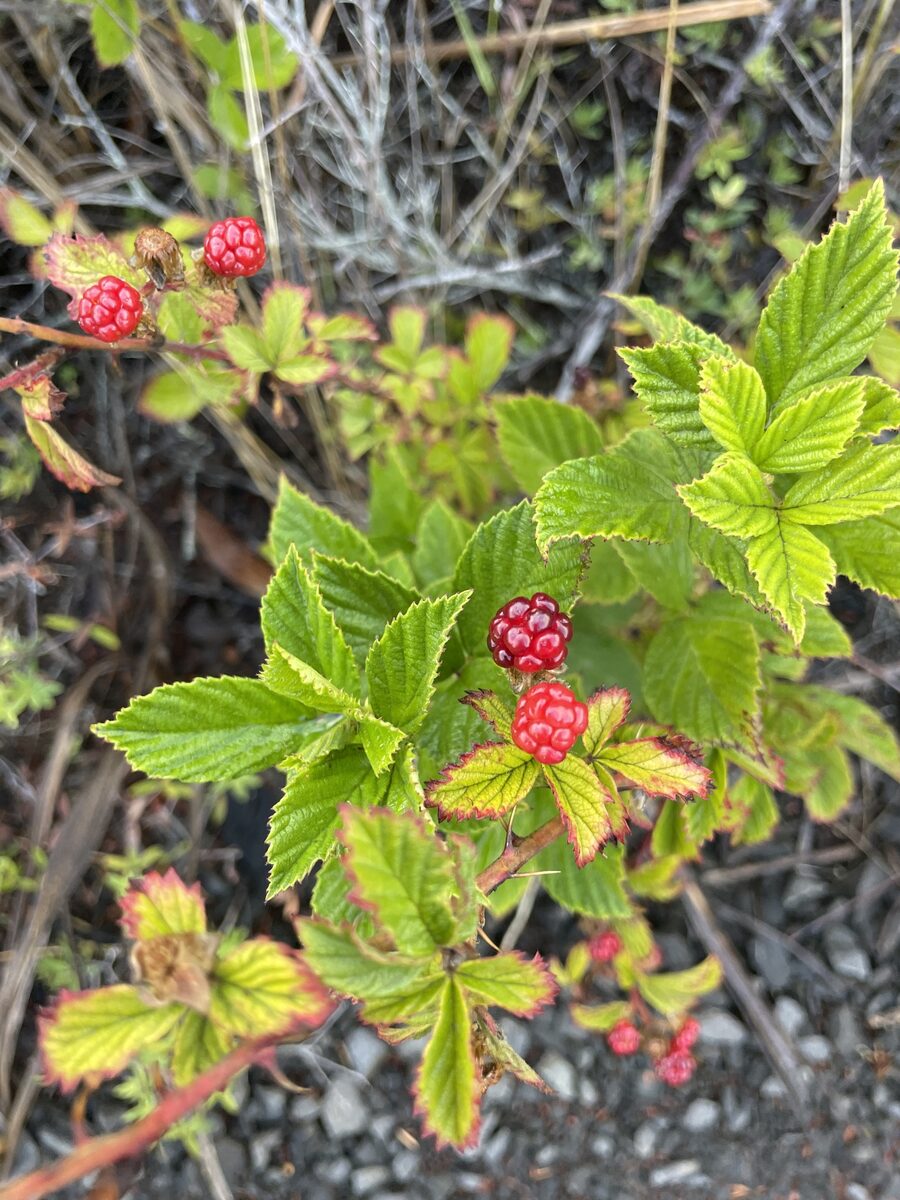
iNaturalist· cc-by-nc
(c) Sofia Giakoumi, some rights reserved (CC BY-NC)
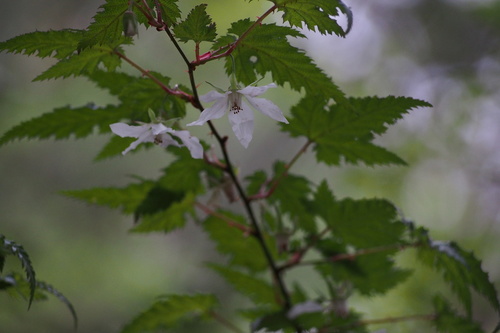
iNaturalist· cc-by-nc
(c) Uriah Resheff, some rights reserved (CC BY-NC), uploaded by Uriah Resheff
Description
A small spiny shrub. It grows 30-60 cm tall. There are thorns at the ends of the branches. It can form roots along the branches.
This description is brief — help expand it
Edible Uses
Fresh soft fruit are eaten raw, and young shoots are eaten raw or cooked.
Traditional Uses
The fresh soft fruit are eaten raw. The young shoots are eaten raw or cooked.
This uses section is brief — help expand it
Distribution
It is a Mediterranean climate plant.
Where It Grows
Africa, Iran, Israel, Jordan, Libya, Mediterranean, Middle East, North Africa, Turkey, Türkiye,
Synonyms
Also Known As
Ballan, Bilan, Çıtırdak, Çıtırgan, Çıtırık, Çıtırgı dikeni, Çıtır pıtır, Natsh, Sira
References (4)
- Al-Qura'n, S. A., 2010, Ethnobotanical and Ecological Studies of Wild Edible Plants in Jordan. Libyan Agriculture Research Center Journal International 1(4):231-243
- Henkin, Z. et al, 2014, Sarcopoterium spinosum, in Z. Yaniv, N. Dudai (eds.), Medicinal and Aromatic Plants of the Middle-East, Springer
- Mahklouf, M. H., 2019, Ethnobotanical Study of Edible Wild Plants in Libya. European Journal of Ecology. 5(2): 30-40
- Özdemir, E. and Kültür, S., 2017, Wild Edible Plants of Savaştepe District (Balıkesir, Turkey), Marmara Pharm J 21/3: 578-589