Sanguisorba stipulata
Raf.
American Burnet, Canadian Burnet
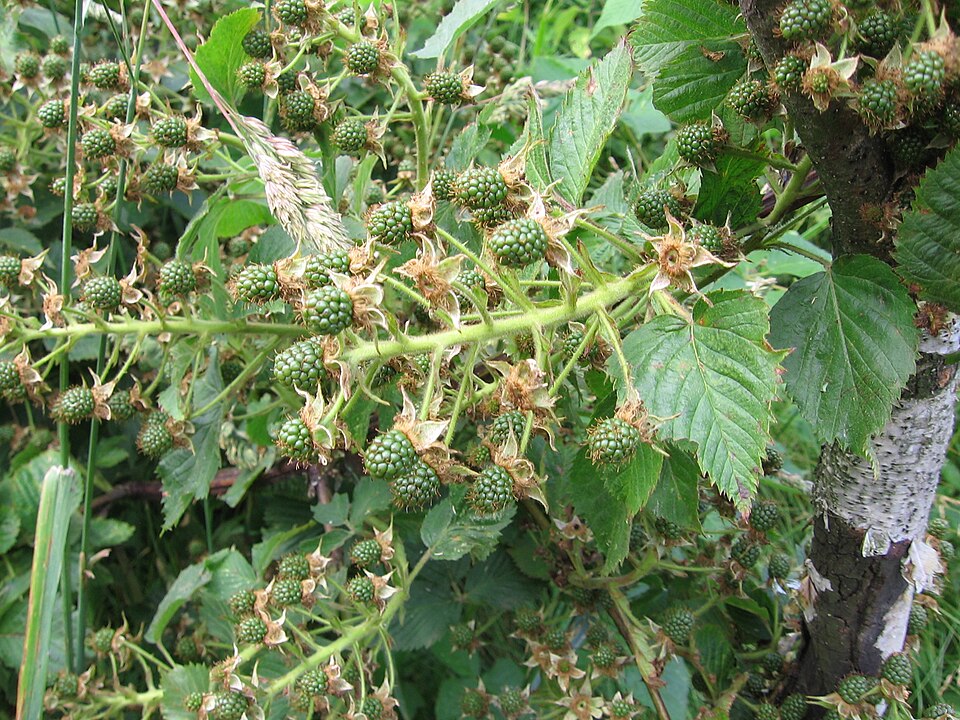
iNaturalist· cc-by-nc
(c) Brian Starzomski, some rights reserved (CC BY-NC), uploaded by Brian Starzomski
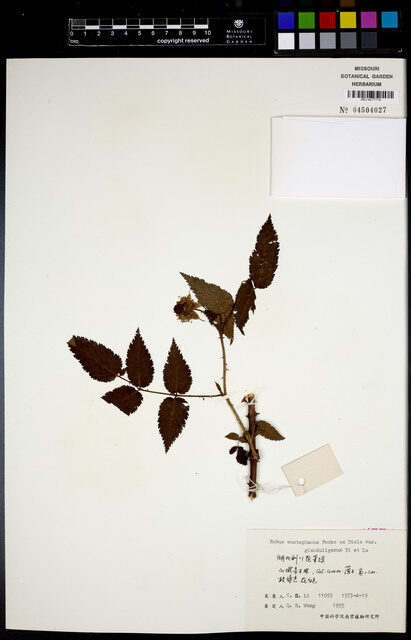
iNaturalist· cc-by-nc
(c) kmcglothen, some rights reserved (CC BY-NC)
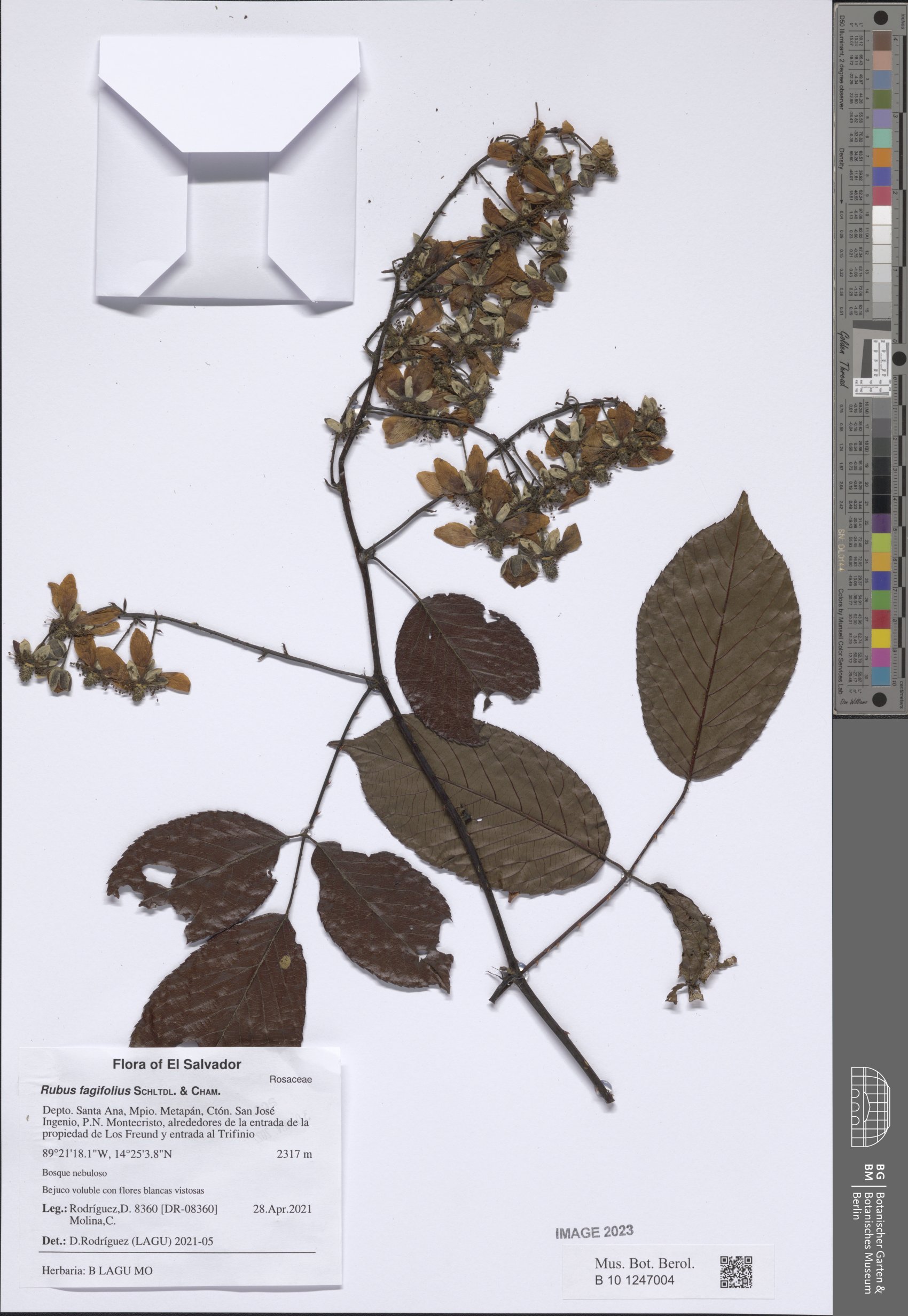
iNaturalist· cc-by-nc
(c) kmcglothen, some rights reserved (CC BY-NC)
Summary
A tall perennial reaching 2 m with hermaphroditic flowers pollinated by insects. Hardy to UK zone 4. Grows in light, medium, or heavy soils with mildly acid to basic pH. Tolerates semi-shade in light woodland or full sun and prefers moist or wet soil.
Description
A herb. It keeps growing from year to year. It grows 30-80 cm high. The rootstock is robust, deep and long. The leaves near the base have 4-6 pairs of leaflets. There are 2-4 leaves on the stems with fewer leaflets higher up the stem.
Edible Uses
The leaves can be cooked and eaten, though they are not considered a choice food.
Medicinal Uses
Both the roots and the leaves are astringent.
Distribution
In NE China it grows in marshy places and on the edges of forests between 1,400-2,300 m above sea level.
Where It Grows
Asia, Canada, China, Japan, Korea, North America, Russia, USA,
Cultivation
Succeeds in ordinary garden soil. Prefers a good moist soil that does not dry out in the summer, in sun or partial shade. Very closely related to S. canadensis, and considered to be no more than part of that species by some botanists.
Propagation
Sow seed in spring or autumn in a cold frame. Once large enough to handle, prick seedlings out into individual pots and grow on in the cold frame through their first winter. Plant out into permanent positions in late spring or early summer, after the last expected frosts. Can also be propagated by division in spring.
Other Uses
None known
Notes
There are about 18 Sanguisorba species.
Synonyms
References (2)
- Flora of China @ efloras.org Volume 9
- Plants for a Future database, The Field, Penpol, Lostwithiel, Cornwall, PL22 0NG, UK. http://www.scs.leeds.ac.uk/pfaf/