Apium prostratum var. filiformis
Vent., (A.Rich) Kirk
Mangrove sea celery
gbif· cc-by
Arnim Littek
gbif· cc-by
Arnim Littek
gbif· cc-by
Arnim Littek
Summary
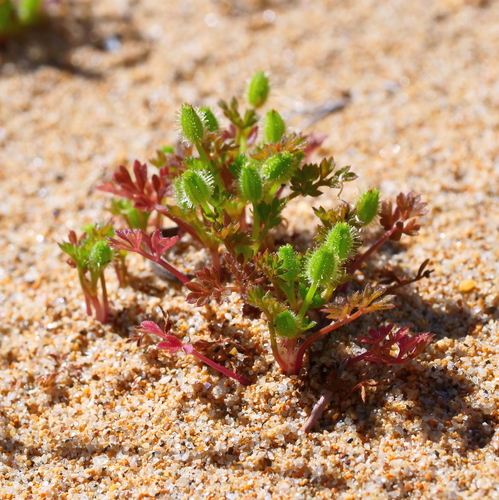
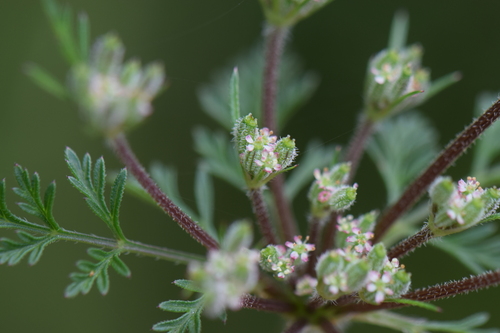
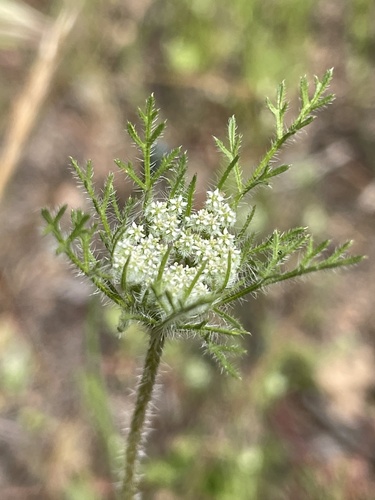
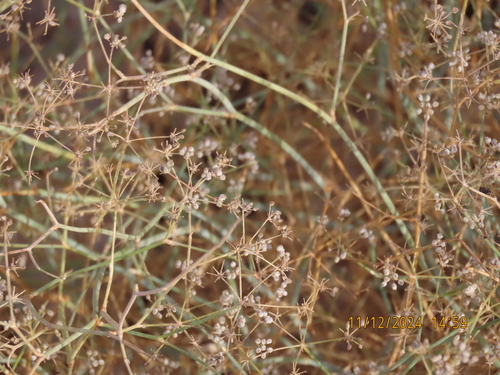
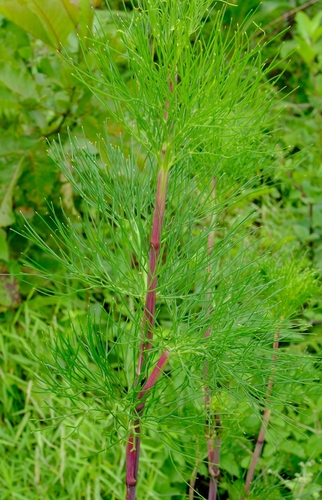
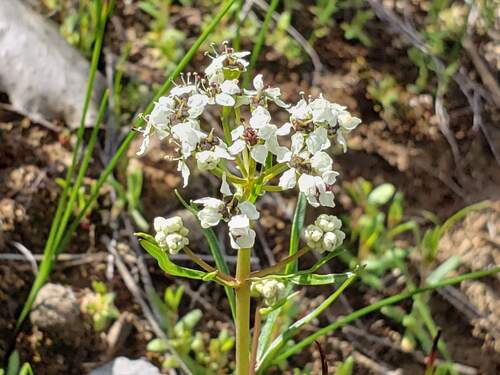
Source: WikipediaApium prostratum, commonly known as sea celery, is a variable herb native to coastal Australia and New Zealand. The leaves are variable, with toothed leaflets, and a celery like aroma. The tiny white flowers occur in clusters. There are two varieties: Apium prostratum var. filiforme – headland sea celery, squat with broad leaves (2-3 times longer than wide)and grows on coastal dunes and headlands. Apium prostratum var. prostratum – mangrove sea celery, upright with fine leaves (6-15 times longer than wide) and grows in swamps. The subspecies Apium prostratum subsp. howense is endemic to Lord Howe Island.
Description
A herb. It can complete its life-cycle in 2 years or grow for several years. It grows 5-70 cm high. It is upright and has fine leaves.
This description is brief — help expand it
Edible Uses
Commonly eaten by Maori in New Zealand, for whom it is known as Tutae Koau, sea celery was also an important vegetable for early explorers and colonists in Australia and New Zealand. Captain Cook ate sea celery at Botany Bay and gathered it in bulk along with Lepidium oleraceum at Poverty Bay in New Zealand in October 1769 to protect his crew from scurvy. It was commonly eaten by colonists as a survival food in the early days of the Sydney colony. Both leaf and stem are eaten. Dried leaves are used in native Australian spice mixes. It tastes much the same as celery and is used to flavour soups. Variety filiforme is considered to be more palatable. It was cultivated by colonists around Albany, Western Australia, as a vegetable. It is commercially cultivated to a limited extent.
Traditional Uses
This kind can be very bitter.
This uses section is brief — help expand it
Distribution
It is a temperate plant. It is most tender and succulent when grown in swampy conditions. Tasmania Herbarium.
Where It Grows
Australia, New Zealand, Tasmania,
Cultivation
Plants can be grown by division.
Notes
There are about 20 Apium species.
Synonyms
References (5)
- Bindon, P., 1996, Useful Bush Plants. Western Australian Museum. p 40
- Paczkowska, G. & Chapman, A.R., 2000, The Western Australian Flora. A Descriptive Catalogue. Western Australian Herbarium. p 145 (As Apium prostratum var. filiforme)
- Plants for a Future database, The Field, Penpol, Lostwithiel, Cornwall, PL22 0NG, UK. http://www.scs.leeds.ac.uk/pfaf/ (As Apium filiforme)
- Romanowski, N., 2007, Edible Water Gardens. Hyland House. p 82
- Tasmanian Herbarium Vascular Plants list p 3