Rorippa dictyosperma
(Hook.) L. Johnson
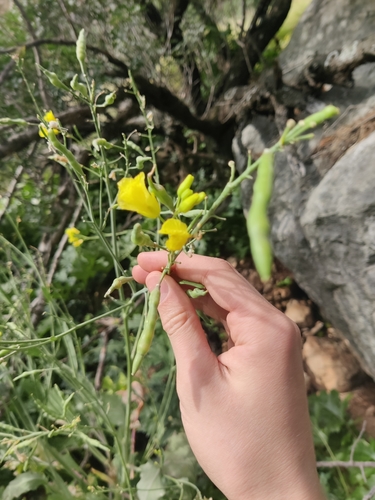
Forest Bitter Cress
iNaturalist· cc-by-nc
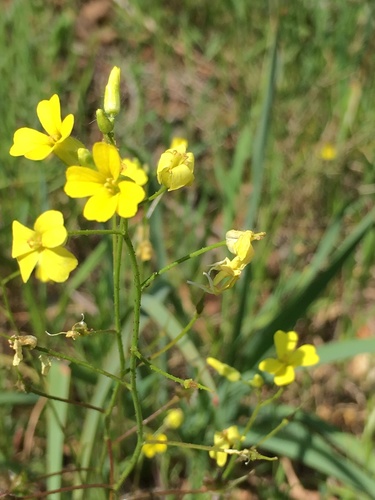
(c) timrudman, some rights reserved (CC BY-NC), uploaded by timrudman
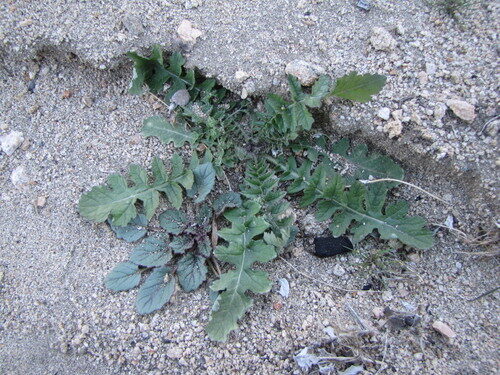
iNaturalist· cc-by-nc
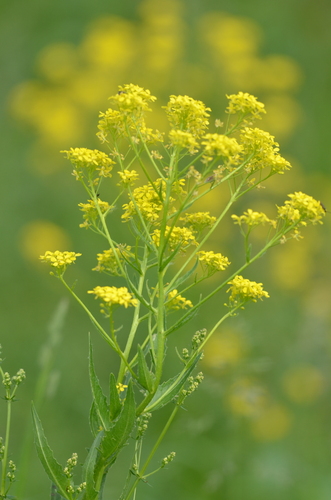
(c) Ken Harris EntSocVic, some rights reserved (CC BY-NC)
Description
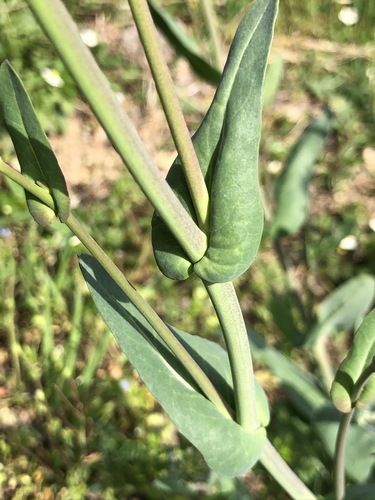
A cabbage family herb that keeps growing from year to year. It grows 30-90 cm high. It can spread 1 m wide. The stems are hollow and branching. The leaves are divided into leaflets. The flowers are white or yellow and have 4 petals. The flowers are 1.5 cm across.
Edible Uses
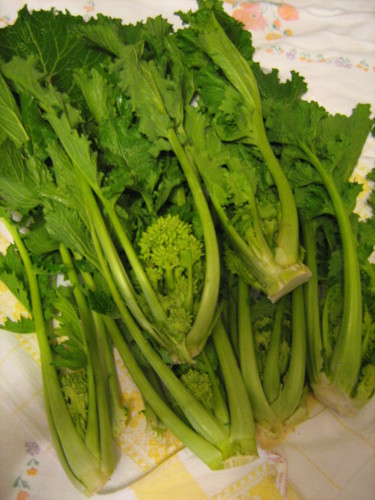
The leaves are eaten.
Distribution
It is a temperate plant. It grows on sand and granite slopes. It does best in damp, wet soils in a protected, partly shaded position. It is resistant to frost but sensitive to drought. Tasmania Herbarium.
Where It Grows
Australia*, Tasmania,
Cultivation
Plants can be grown by seed or by division.
Notes
There are about 70 Rorippa species.
Synonyms
References (7)
- Bodkin, F., 1991, Encyclopedia Botanica. Cornstalk publishing, p 887
- Cherikoff V. & Isaacs, J., The Bush Food Handbook. How to gather, grow, process and cook Australian Wild Foods. Ti Tree Press, Australia p 196
- Flora of Australia, Volume 8, Lecythidales to Batales, Australian Government Publishing Service, Canberra (1982) p 324
- Low, T., 1991, Wild Food Plants of Australia. Australian Nature FieldGuide, Angus & Robertson. p 47
- Low, T., 1992, Bush Tucker. Australia’s Wild Food Harvest. Angus & Robertson. p 143
Show all 7 references Hide references
- Paczkowska, G. & Chapman, A.R., 2000, The Western Australian Flora. A Descriptive Catalogue. Western Australian Herbarium. p 188
- Tasmanian Herbarium Vascular Plants list p 18