Arabis lyrata
L.
Rock Cress, Kamchatka rockcress, Lyrate rockcress
gbif· cc0
Bell Museum, University of Minnesota
gbif· cc0
Carnegie Museum of Natural History
gbif· cc0
Carnegie Museum of Natural History
Description
Arabis lyrata is a BIENNIAL/PERENNIAL growing to 0.3 m (1ft). See above for USDA hardiness. It is hardy to UK zone 5 and is not frost tender. The species is hermaphrodite (has both male and female organs) and is pollinated by Bees, Lepidoptera (Moths & Butterflies). Suitable for: light (sandy), medium (loamy) and heavy (clay) soils and prefers well-drained soil. Suitable pH: mildly acid, neutral and basic (mildly alkaline) soils. It can grow in semi-shade (light woodland) or no shade. It prefers dry or moist soil.
Edible Uses
Young leaves - raw or cooked. Rosettes of the lobed leaves are added to tossed salads or served as a green vegetable.
Distribution
N. America - Alaska and southwards. N.E. Asia
Where It Grows
NORTHERN AMERICA: Canada (Ontario (south), Saskatchewan, Alberta, Manitoba, British Columbia), United States (Connecticut, Indiana, Massachusetts (west), Michigan, New Jersey, New York, Ohio, Pennsylvania, Vermont (southwest), Illinois, Iowa, Minnesota (east), Missouri, Wisconsin, Delaware, Georgia, Kentucky, Maryland (west), North Carolina (west), Tennessee (east), Virginia (west))
Cultivation
We have very little information on this species and do not know if it will be hardy in Britain, though judging by its native range it should succeed outdoors in many parts of this country. This species of rockcress is considered an important first brood nectar plant for 'Karner Blue' butterfly (Lycaeides melissa samuelis Nabokov), an endangered species in North America. The following notes are based on the general needs of the genus. Easily grown in ordinary well-drained soil.
Propagation
Seed - it is best to surface sow the seed as soon as it is ripe in a light position in a cold frame. Seed can also be sown in spring. It usually germinates in 2 - 3 weeks at 21°c. When large enough to handle, prick the seedlings out into individual pots and plant them out in the summer. Division after flowering. Very easy, the divisions can be planted out straight into their permanent positions if required. Cuttings in a shady border in summer.
More from Brassicaceae
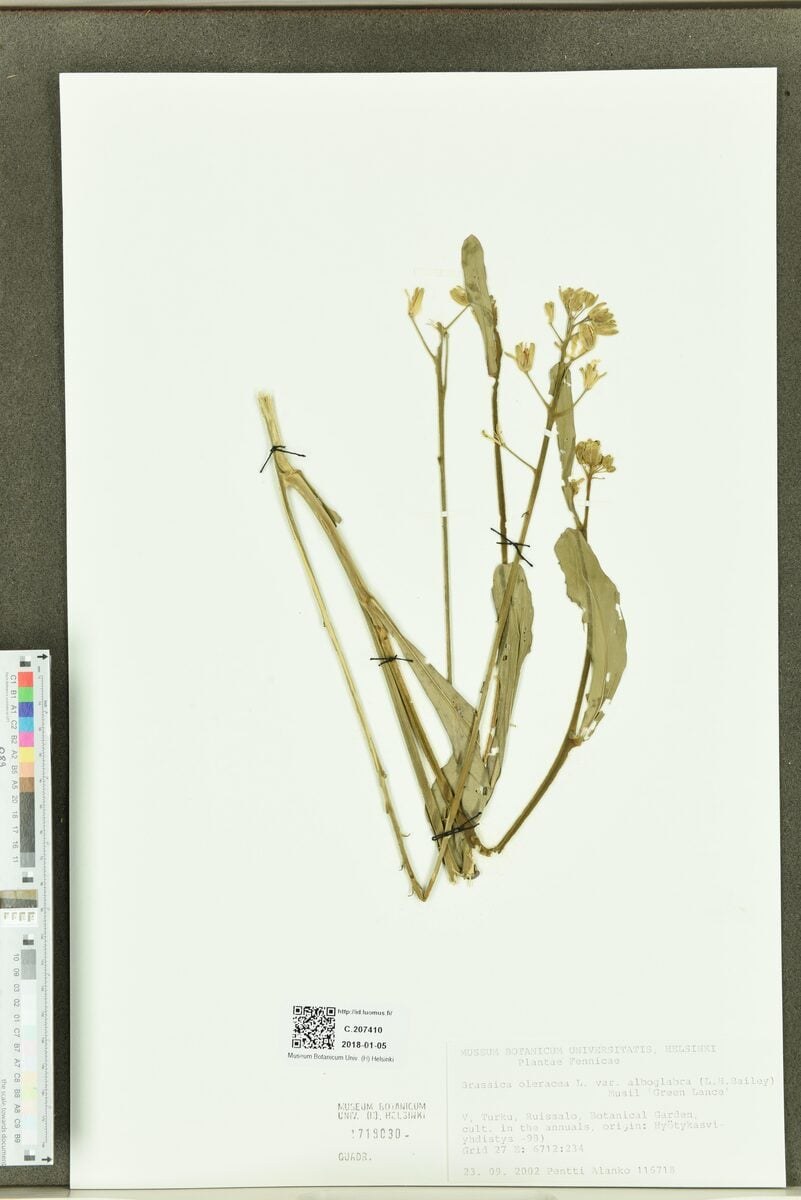
Brassica oleracea alboglabra - (L.H.Bailey)Musil.
Chinese Kale
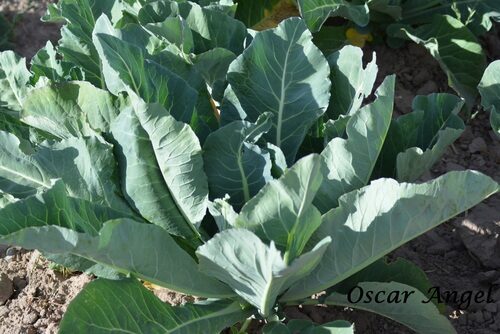
Brassica oleracea botrytis
Cauliflower
Brassica oleracea botrytis aparagoides
Nine Star Perennial Broccoli
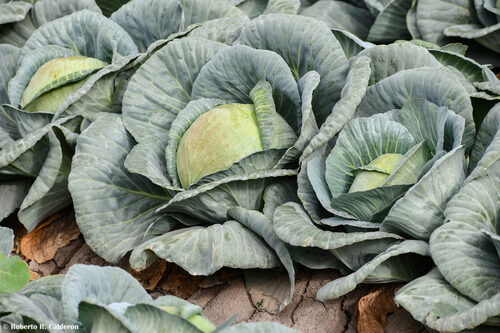
Brassica oleracea capitata
Cabbage,Ornamental Cabbage, Red Cabbage, Savoy Cabbage
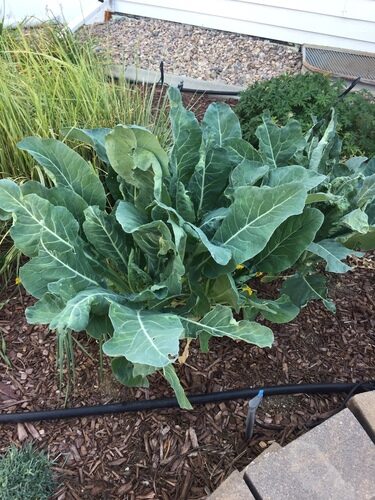
Brassica oleracea costata
Couve Tronchuda
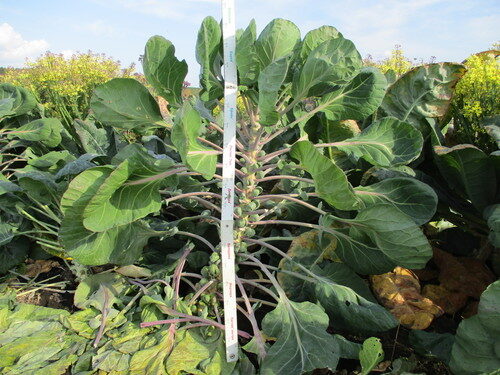
Brassica oleracea gemmifera
Brussels Sprouts