Arabis caucasica
Willd. ex Schltdl.
Rock Cress, Wall Rockcress
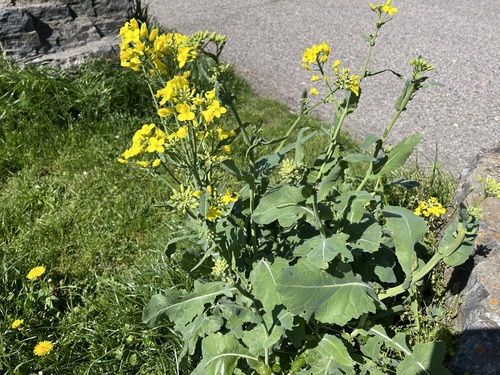
iNaturalist· cc-by-nc
(c) Fraser Gibson, some rights reserved (CC BY-NC), uploaded by Fraser Gibson
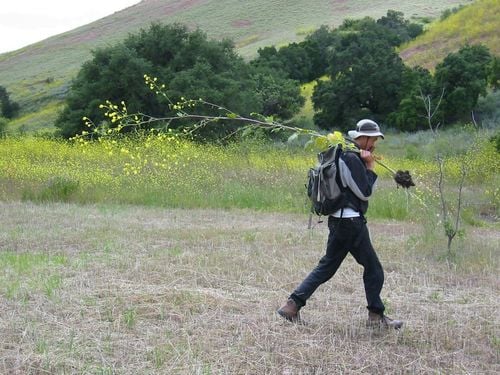
iNaturalist· cc-by-nc
(c) Вадим, some rights reserved (CC BY-NC), uploaded by Вадим
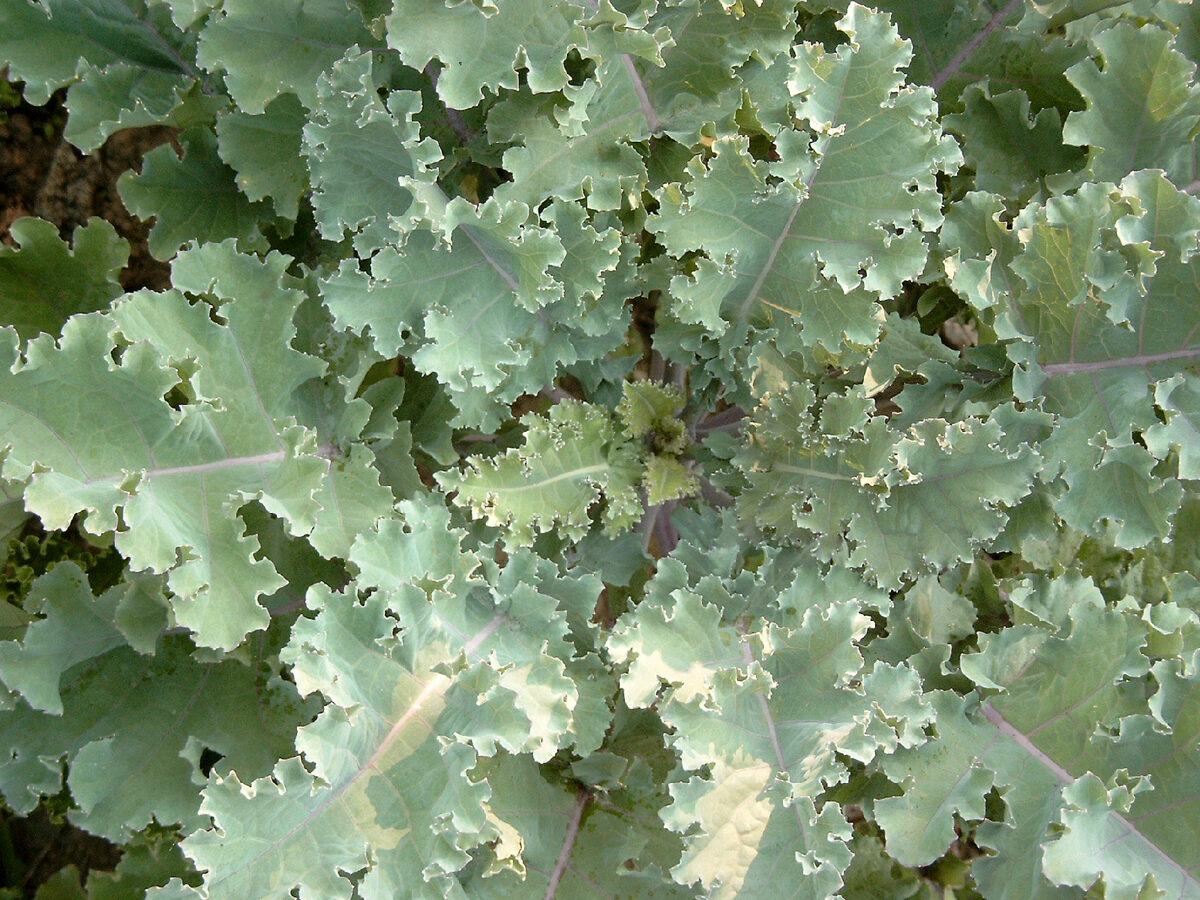
iNaturalist· cc-by-nc
(c) Katerina Kashirina, some rights reserved (CC BY-NC), uploaded by Katerina Kashirina
Description
Arabis caucasica is an evergreen Perennial growing to 0.2 m (0ft 8in) by 1 m (3ft 3in) at a medium rate. See above for USDA hardiness. It is hardy to UK zone 4 and is not frost tender. It is in leaf all year, in flower from January to May, and the seeds ripen from April to June. The species is hermaphrodite (has both male and female organs) and is pollinated by Bees, Lepidoptera (Moths & Butterflies). Suitable for: light (sandy), medium (loamy) and heavy (clay) soils, prefers well-drained soil and can grow in nutritionally poor soil. Suitable pH: mildly acid, neutral and basic (mildly alkaline) soils. It can grow in semi-shade (light woodland) or no shade. It prefers dry or moist soil and can tolerate drought.
Edible Uses
The leaves are used as a garnish in much the same way as watercress. They are also sometimes used as a potherb.
Distribution
S.E. Europe - Mediterranean. Occasionally naturalized in Britain.
Where It Grows
TEMPERATE ASIA: Armenia, Azerbaijan, Dagestan, Georgia, Iraq, Kyrgyzstan, Lebanon, Russian Federation, Syria, Tajikistan, Turkey, Turkmenistan,Iran. EUROPE: Ukraine, Krym, Albania, Bulgaria, Bosnia and Herzegovina, Greece (incl. Crete), Croatia, Italy (incl. Sicily), North Macedonia, Montenegro, Romania, Serbia, France (incl. Corsica), AFRICA: Algeria (north), Egypt, Morocco.
Cultivation
Easily grown in ordinary well-drained soil. Prefers a poor soil. Succeeds in partial shade though it tends to become straggly. Established plants are very tolerant of drought and grow very well on a dry bank, they also succeed when grown in walls. A very ornamental plant, it is hardy to about -15°c, but can be rather invasive. There are some named varieties selected for their ornamental value. A good butterfly and moth plant. Bees are attracted to the flowers. Plants resent root disturbance and are best put in their final positions whilst still small. This species is closely related to A. alpina.
Propagation
Seed - it is best to surface sow the seed as soon as it is ripe in a light position in a cold frame. Seed can also be sown in spring. It usually germinates in 2 - 3 weeks at 21°c. When large enough to handle, prick the seedlings out into individual pots and plant them out in the summer. Division after flowering. Very easy, the divisions can be planted out straight into their permanent positions if required. Cuttings in a shady border in summer.
Other Uses
A good ground cover plant for sunny positions, forming a carpet.