Ripogonum scandens
J. R. Forst. & G. Forst.
Supple Jack, Kareao
iNaturalist· cc-by-nc
(c) Keryn, some rights reserved (CC BY-NC), uploaded by Keryn
iNaturalist· cc-by-nc
(c) teamokura, some rights reserved (CC BY-NC)
iNaturalist· cc0
no rights reserved
Summary
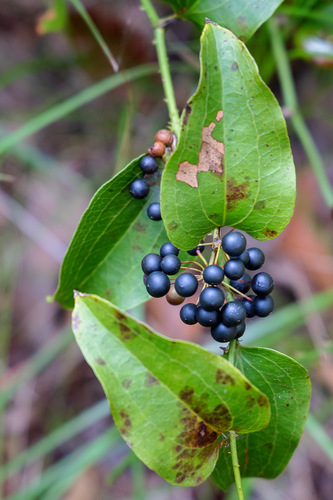
Source: WikipediaRipogonum scandens, commonly known as supplejack and kareao, is a species of climbing forest vine in the family Ripogonaceae. It is endemic to New Zealand. Its range mainly covers the North and South Islands, it also occurs on some offshore islands. Red globe-shaped fruits, which hang from the oppositely arranged leaves, are eaten and dispersed by birds. These fruits are edible, and so are the newly formed shoots at the end of the vines. The species was first described by Johann Reinhold Forster and Georg Forster in 1776. The genus Ripogonum (alternatively spelled Rhipogonum), was originally considered to be part of the family Smilacaceae or Liliaceae, but in 1985 was reclassified as the sole genus in the family Ripogonaceae. R. scandens was valued by Māori and European settlers, primarily for the stems that were valued for their length, strength, and flexibility. In 2023, the conservation status was assessed as "Not Threatened" in the New Zealand Threat Classification System.
Description
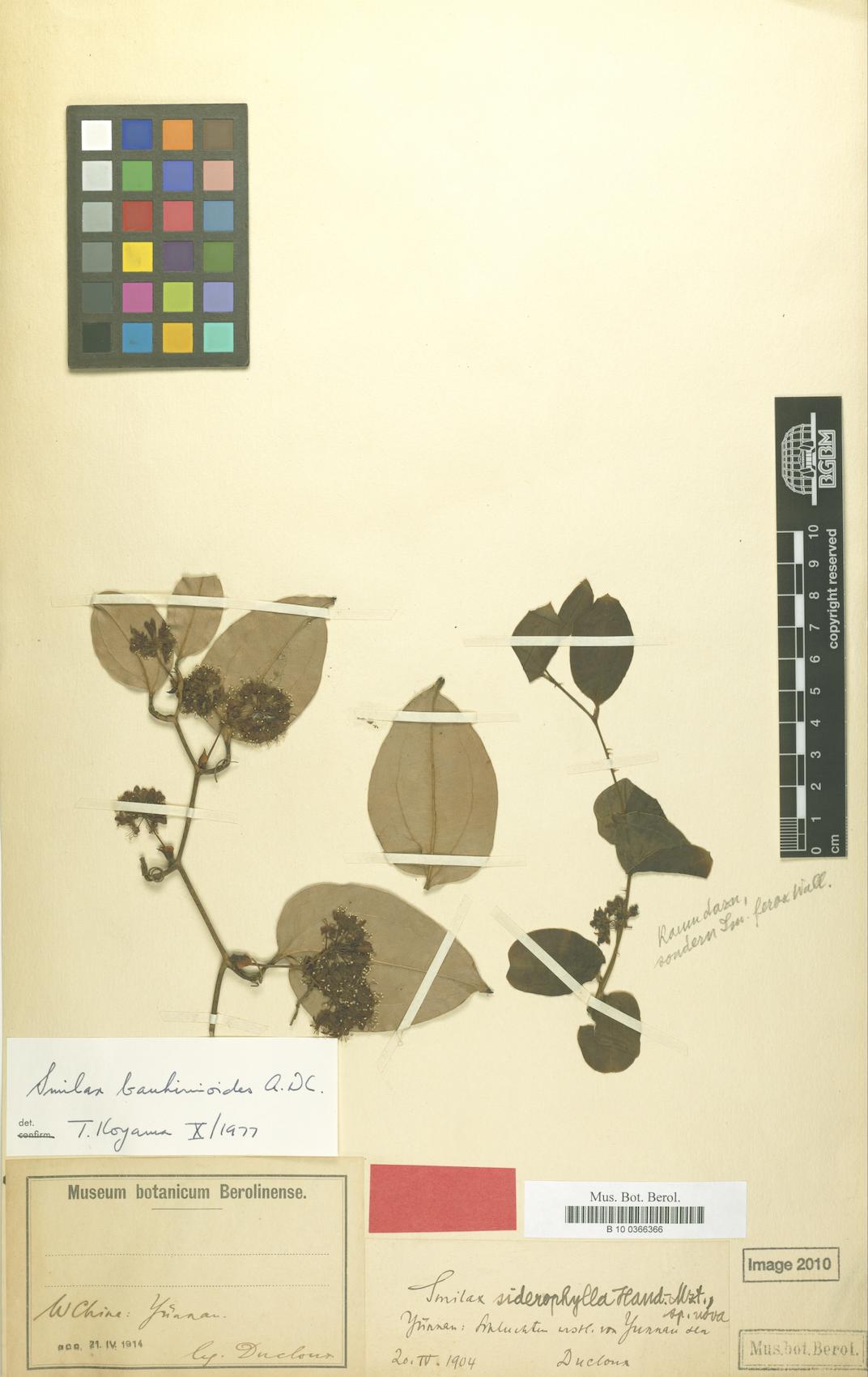
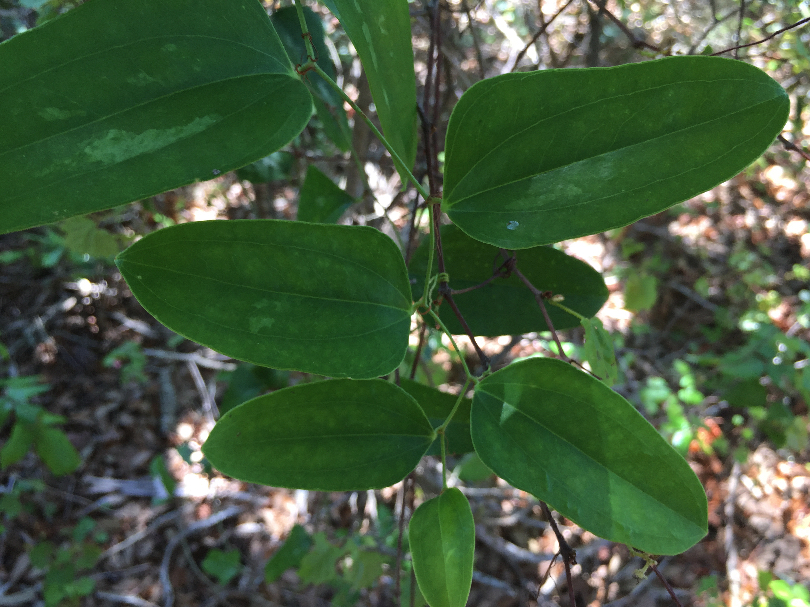
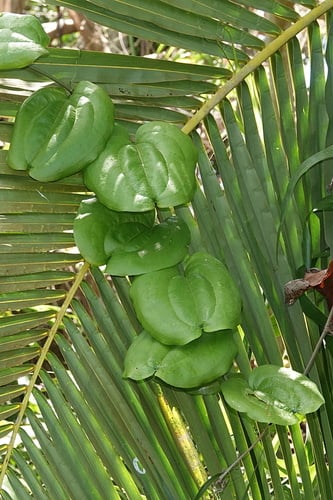
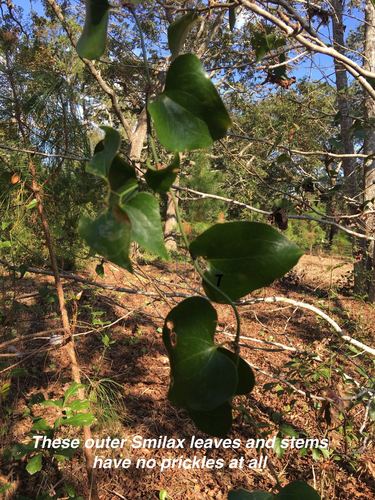
An evergreen climber. It climbs by coiling stems and branches around other plants. It can be several metres long. The leaves are usually opposite and dark green. They are narrowly oval and taper to the tip. The flowers are pale green or yellow.
Edible Uses
The starchy root is cooked and also used as a flavouring for beer, though it is very fibrous. The fruit, about 8mm in diameter, can be eaten raw or cooked but is dry and uninteresting. Young shoots are cooked and taste like fresh green beans. Sap is also consumed and is obtained by blowing it out of short cut sections of stem.
Traditional Uses
The ripe fruit are eaten. The very young shoots and leaves are eaten. They are best cooked. The seeds can be eaten. The sap can be eaten.
This uses section is brief — help expand it
Medicinal Uses
The plant has antirheumatic, skin, stomachic, and vulnerary applications. Burnt stems and sap are used to cauterize wounds.
Distribution
It is a subtropical plant. It can grow in shady places and in moist locations.
Where It Grows
Australia, New Zealand*, Papua New Guinea, PNG,
Cultivation
We have very little information on this species and do not know if it will be hardy in Britain, though judging by its native range it is unlikely to succeed outdoors in Britain in any but the mildest areas of the country. Plants do not take kindly to cultivation, but a rich soil and shade are probably the best conditions for it.
Propagation
No specific information is available for this species, but sowing seed as soon as it is ripe in a warm greenhouse is suggested. Stored seed should be sown in a warm greenhouse in spring. Prick out seedlings into individual pots when large enough to handle and grow on for at least their first winter under glass before planting out in early summer. Can also be propagated by division.
Other Uses
The stems are used in basket making and to make rope ladders. They are also strong enough to be used as-is for making rope.
Notes
There are 6 Ripogonum species. They are to be included in the Rhipogonaceae
References (4)
- Char. Gen. 50. 1776
- Crowe, A., 1997, A Field Guide to the Native Edible Plants of New Zealand. Penguin. p 55
- Plants for a Future database, The Field, Penpol, Lostwithiel, Cornwall, PL22 0NG, UK. http://www.scs.leeds.ac.uk/pfaf/
- www.wildediblefood.com