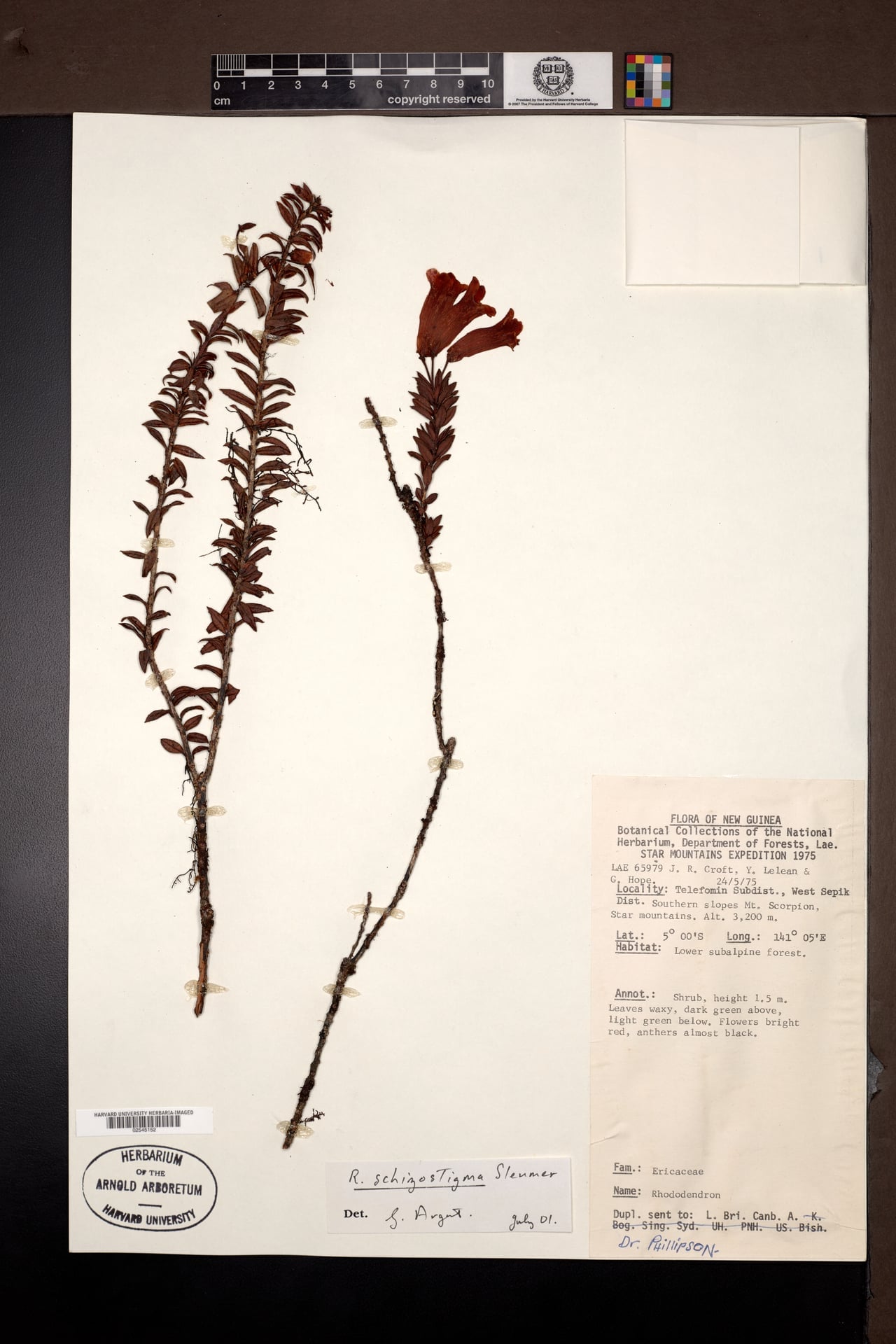
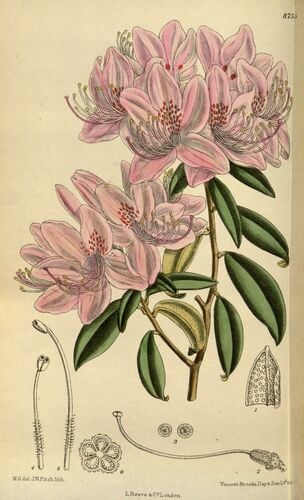
Rhododendron indicum
(L.) Sweet
Rhododendron, Indian Azalea, Japanese evergreen azalea
iNaturalist· cc-by-nc
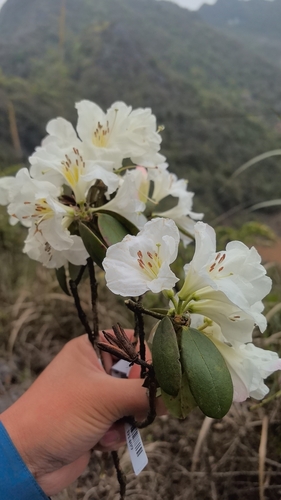
(c) 空猫 T. N, some rights reserved (CC BY-NC), uploaded by 空猫 T. N
iNaturalist· cc-by-nc
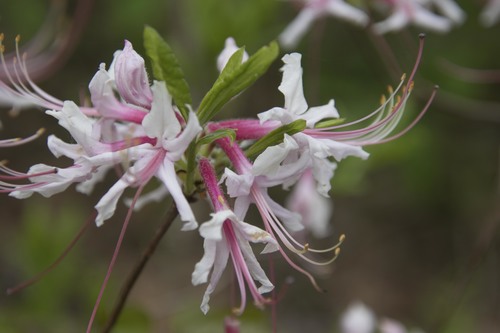
(c) Liam Conley, some rights reserved (CC BY-NC)
iNaturalist· cc-by-nc
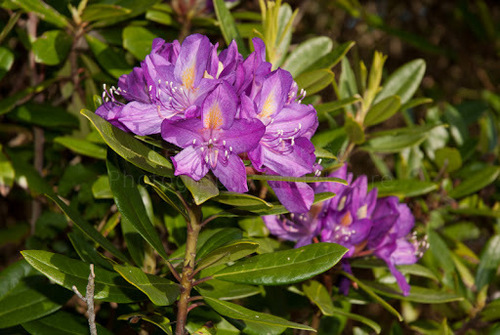
(c) Guy L. Monty, some rights reserved (CC BY-NC), uploaded by Guy L. Monty
Summary
Source: WikipediaRhododendron indicum is an azalea Rhododendron species native to Japan (S & W Honshu, Shikoku, Kyushu, Yakushima).
Description
An evergreen shrub. It grows 90 cm high and spreads 60 cm wide. It has many branches. It can almost lie along the ground. The leaves are shiny and dark green. The wild plant usually has red flowers. They are a broad funnel shape. They occur singly or in pairs.
Edible Uses
The flowers and leaves are reported to be edible, though no further details are given and caution is advised regarding toxicity. The galls found on the leaves are also said to be edible; the source does not specify whether they are consumed before or after the insect has left. Caution is advised regarding toxicity for all parts.
Medicinal Uses
None known
Known Hazards
Caution is advised regarding toxicity of all edible parts.
Distribution
It is a temperate plant. It suits hardiness zones 6-9.
Where It Grows
Asia, Australia, China, India, Indonesia, Japan*, Korea, Myanmar, SE Asia,
Cultivation
Plants can be grown from seeds and by cuttings.
Propagation
Sow seed in a greenhouse as soon as it is ripe in autumn, providing artificial light. Alternatively, sow in a lightly shaded part of a warm greenhouse in late winter, or in a cold greenhouse in April. Surface-sow and keep the compost consistently moist. Pot up seedlings once large enough to handle and grow on under glass for at least the first winter. Layering in late July takes 15–24 months. Cuttings of half-ripe wood taken in August and rooted in a frame are difficult.
Other Uses
Plants can be grown as ground cover when spaced about 1 metre apart each way.
Notes
There are over 500 Rhododendron species.
Synonyms
Also Known As
Rhododendron mawar, Rose azalea, Tu Chuan, Yindu Dujuan
References (5)
- Ambasta S.P. (Ed.), 2000, The Useful Plants of India. CSIR India. p 522
- Brit. fl. gard. 5(= ser. 2, 2): t. 128. 1832
- Cundall, P., (ed.), 2004, Gardening Australia: flora: the gardener's bible. ABC Books. p 1150
- Hibbert, M., 2002, The Aussie Plant Finder 2002, Florilegium. p 251
- Valder, P., 1999, The Garden Plants of China. Florilegium. p 208