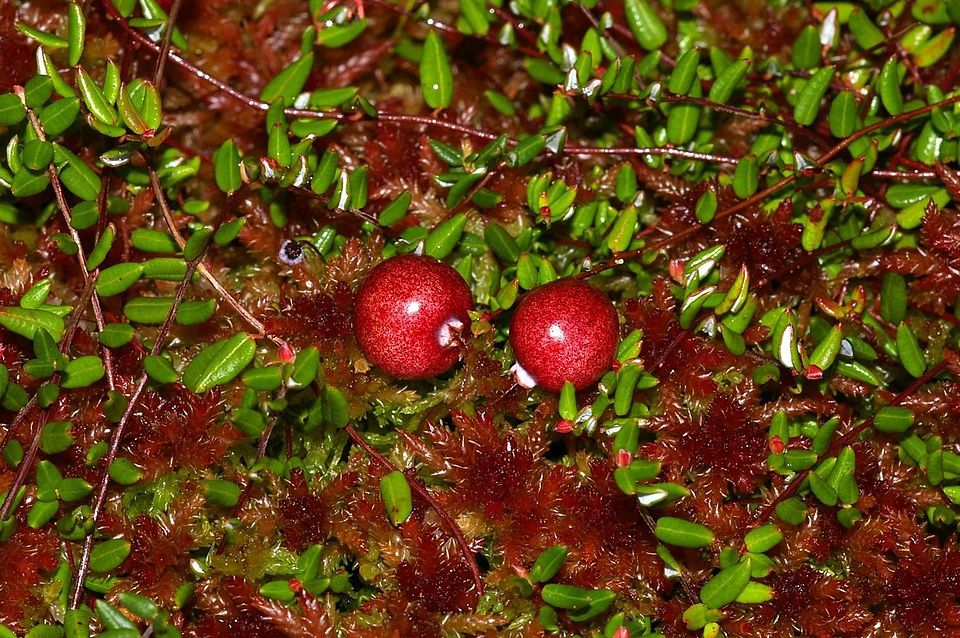
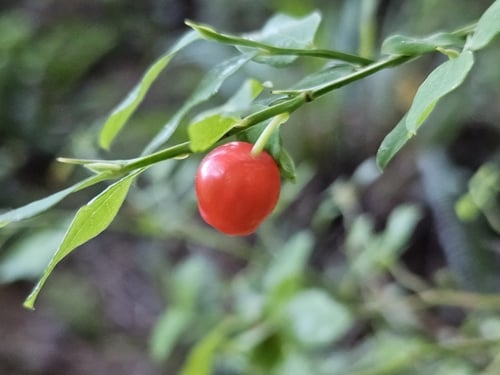
Vaccinium uliginosum subsp. alpinum
(Bigelow) Hulten
gbif· cc-by-nc
Brigham Young University
Summary
Source: WikipediaVaccinium uliginosum (bog bilberry, bog blueberry, alpine blueberry or western blueberry) is an edible Eurasian and North American flowering plant in the heath family Ericaceae.
Description
A shrub.
This description is brief — help expand it
Edible Uses
The berries can be eaten raw or cooked, used to make jelly or pies, or dried to make pemmican. In Korean cuisine, bog bilberry is used to make infused liquor (Deuljjuk-sul).
Traditional Uses
The fruit are eaten fresh. They are not stored.
This uses section is brief — help expand it
Distribution
It is a cold temperate plant. It grows in the moist tundra in Alaska.
Where It Grows
Alaska, North America, USA,
Dangerous Lookalikes
This plant can be confused with the following toxic species. Always verify identification carefully before consuming any wild plant.
Deadly Nightshade
Atropa belladonna
Joan Simon from Barcelona, España
Vaccinium uliginosum subsp. alpinum
Vaccinium uliginosum subsp. alpinum
Brigham Young University
Deadly Nightshade: Tall herbaceous plant (1-2m), single shiny black cherry-sized berries, star-shaped calyx, large oval leaves, sweet but dangerous taste.
Vaccinium uliginosum subsp. alpinum: Low woody shrub, berries in clusters with crown/remnant calyx ring, sweet taste.
Synonyms
Also Known As
Curaq
References (1)
- Ager, T. A. & Ager, L. P., 1980, Ethnobotany of the eskimos of Nelson Island, Alaska. Arctic Anthropology Vol 17. No. 1 pp 26-48