Rhaphiolepis indica
(L.) Lindl. ex Ker Gawl.
Indian hawthorn, East Indian Hawthorn
iNaturalist· cc0
no rights reserved
iNaturalist· cc-by-nc
(c) Ross Coupland, some rights reserved (CC BY-NC)
iNaturalist· cc-by-nc
(c) Ross Coupland, some rights reserved (CC BY-NC)
Summary
Source: WikipediaRhaphiolepis indica, the Indian hawthorn, India hawthorn or Hong Kong hawthorn is an evergreen shrub in the family Rosaceae.
Description
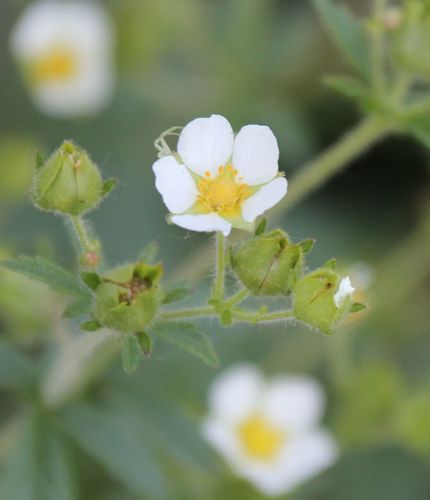
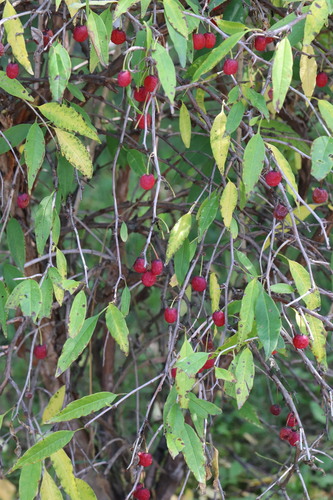
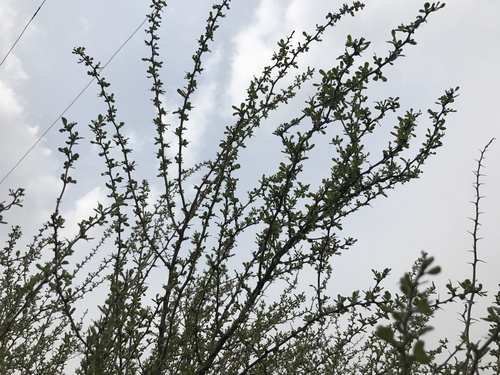
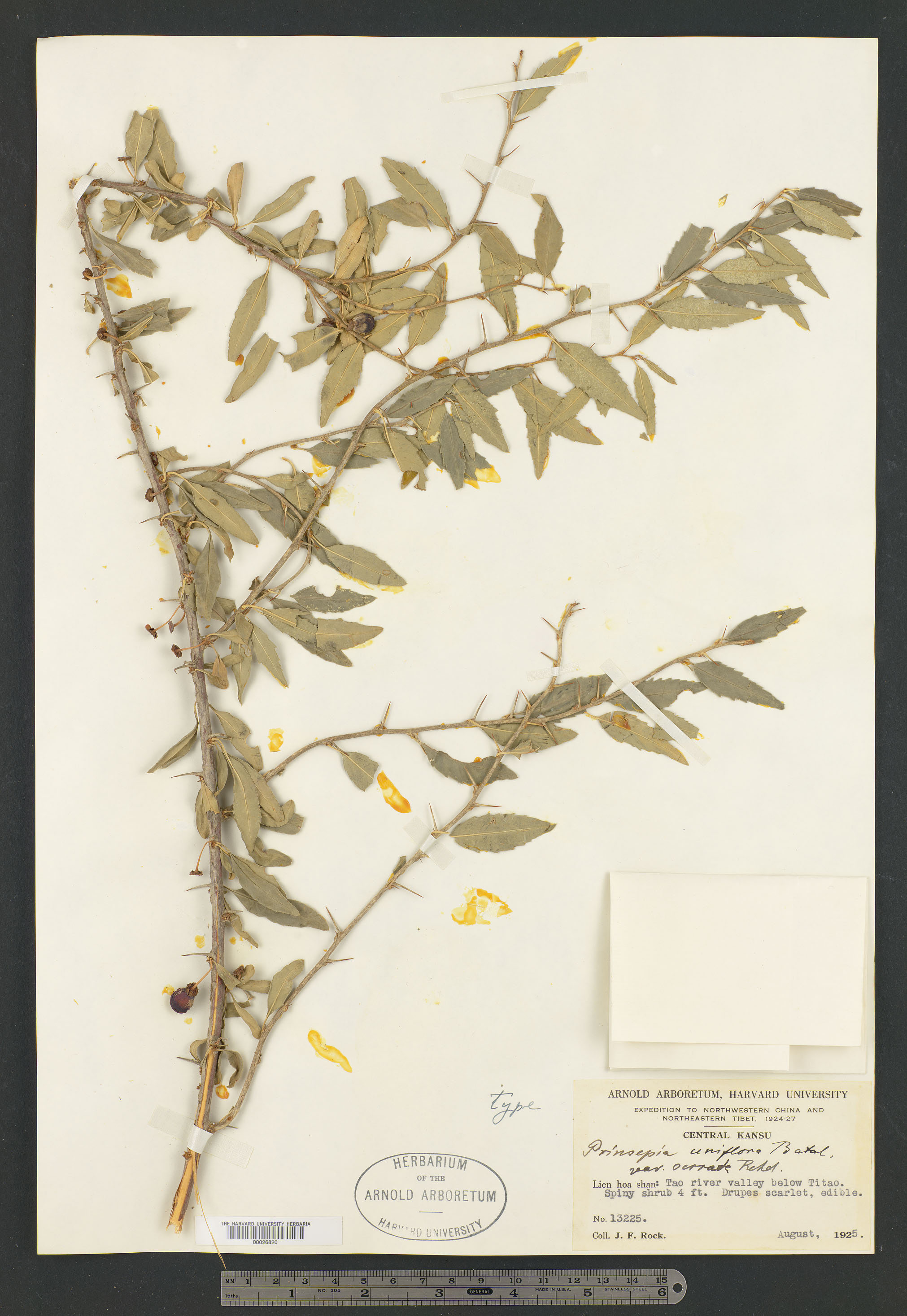
An evergreen shrub. It grows 2 m tall. The leaves are leathery, simple and oval. They have teeth along the edge. The leaves are 5 cm long. They are dark green. The tips are pointed. The flowers are small and rose like. They are pink or white and occur in branched clusters. The fruit is a small purple or black fleshy fruit.
Edible Uses
The fruit is edible, measuring around 8mm in diameter. No further details are given.
Traditional Uses
The fruit are eaten.
This uses section is brief — help expand it
Medicinal Uses
None known
Distribution
It is a temperate to subtropical plant. It needs regular moisture but less when cool. It needs a moderately fertile, well-drained soil. It needs full sun. In China it grows between 700-1,600 m above sea level. It suits hardiness zones 8-11. Mt Cootha Botanical Gardens. Arboretum Tasmania.
Where It Grows
Asia, Australia, Britain, Cambodia, China, Europe, Hawaii, India, Indochina, Indonesia, Japan, Laos, Pacific, SE Asia, Singapore, Taiwan, Tasmania, Thailand, USA, Vietnam,
Cultivation
Plants can be grown from seed. It can also be grown from cuttings.
Propagation
Seed is best sown as soon as it is ripe in a shady position in a warm greenhouse. Stored seed should be sown in February or March in a warm greenhouse. Germination is variable. Prick seedlings into individual pots when large enough to handle and grow on in the greenhouse for at least their first winter. Plant out into permanent positions in late spring or early summer, after the last expected frosts. Cuttings of half-ripe wood, 5cm with a heel, can be taken in September or October in a frame, with a fair success rate. Layering is also an option.
Other Uses
The plant can be used for informal hedging in frost-free or nearly frost-free areas. Dark blue, turquoise, and purple dyes are obtained from the fruit.
Notes
There are about 9-15 Rhaphiolepis species. It can be invasive.
Also Known As
Chelunmei, Kembang mei india, Wheel mei
References (16)
- Altschul, S.V.R., 1973, Drugs and Foods from Little-known Plants. Notes in Harvard University Herbaria. Harvard Univ. Press. Massachusetts. no. 1407 (As Raphiolepis indica)
- Bot. Reg. 6: t. 468. 1820 "Raphiolepis"
- Burkill, I.H., 1966, A Dictionary of the Economic Products of the Malay Peninsula. Ministry of Agriculture and Cooperatives, Kuala Lumpur, Malaysia. Vol 2 (I-Z) p 1901 (As Raphiolepis indica)
- Cundall, P., (ed.), 2004, Gardening Australia: flora: the gardener's bible. ABC Books. p 1140
- Flora of China @ efloras.org Volume 9
Show all 16 references Hide references
- Hedrick, U.P., 1919, (Ed.), Sturtevant's edible plants of the world. p 554 (As Raphiolepis indica)
- Hibbert, M., 2002, The Aussie Plant Finder 2002, Florilegium. p 246
- Hu, Shiu-ying, 2005, Food Plants of China. The Chinese University Press. p 452
- Llamas, K.A., 2003, Tropical Flowering Plants. Timber Press. p 324
- Marinelli, J. (Ed), 2004, Plant. DK. p 466
- Plants for a Future database, The Field, Penpol, Lostwithiel, Cornwall, PL22 0NG, UK. http://www.scs.leeds.ac.uk/pfaf/
- Recher, P, 2001, Fruit Spirit Botanical Gardens Plant Index. www.nrg.com.au/~recher/ seedlist.html p 7
- Reis, S. V. and Lipp, F. L., 1982, New Plant Sources for Drugs and Foods from the New York Botanical Garden herbarium. Harvard. p 102 (As Raphiolepis)
- Staples, G.W. and Herbst, D.R., 2005, A tropical Garden Flora. Bishop Museum Press, Honolulu, Hawaii. p 478
- Sukarya, D. G., (Ed.) 2013, 3,500 Plant Species of the Botanic Gardens of Indonesia. LIPI p 698
- Valder, P., 1999, The Garden Plants of China. Florilegium. p 324