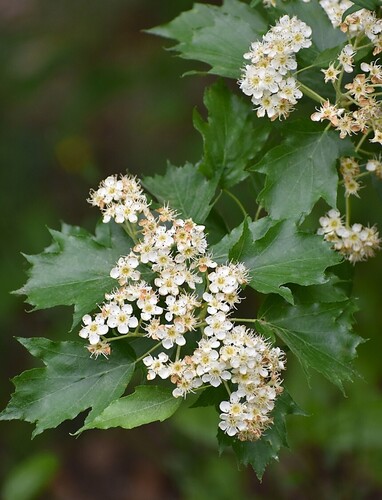
Prunus armeniaca mandschurica - (Maxim.) Koehne
(Maxim.) Koehne
Manchurian apricot
No photos yet for Prunus armeniaca mandschurica - (Maxim.) Koehne
Sign in to contribute a photoDescription
Prunus armeniaca mandschurica is a deciduous Tree growing to 6 m (19ft) by 4 m (13ft) at a medium rate. See above for USDA hardiness. It is hardy to UK zone 5. The flowers are pollinated by Insects. The plant is self-fertile. Suitable for: light (sandy) and medium (loamy) soils and prefers well-drained soil. Suitable pH: mildly acid, neutral and basic (mildly alkaline) soils. It can grow in semi-shade (light woodland) or no shade. It prefers moist soil.
Edible Uses
Oil. Edible Portion: Fruit, Seeds. Fruit - raw, cooked or dried for later use. The best forms are soft and juicy with a delicious rich flavour. Wild trees in the Himalayas yield about 47.5kg of fruit per year.The fruit of the wild form contains about 6.3% sugars, 0.7% protein, 2.5% ash, 2.5% pectin. There is about 10mg vitamin C per 100g of pulp. The fruit is about 5cm in diameter and contains one large seed. Seed - raw or cooked. Bitter seeds should be eaten in strict moderation, but sweet ones can be eaten freely. The bitter seeds can be used as a substitute for bitter almonds in making marzipan etc. An edible gum is obtained from the trunk. The seed contains up to 50% of an edible semi-drying oil. Carbon Farming - Staple Crop: oil.
Medicinal Uses
Analgesic Anthelmintic Antiasthmatic Antiinflammatory Antipyretic Antiseptic Antispasmodic Antitussive Astringent Cancer Demulcent Emetic Emollient Expectorant Laxative Ophthalmic Pectoral Sedative Skin Tonic Vitamin C Vulnerary. Apricot fruits contain citric and tartaric acid, carotenoids and flavonoids. They are nutritious, cleansing and mildly laxative[254. They are a valuable addition to the diet working gently to improve overall health. The salted fruit is antiinflammatory and antiseptic. It is used medicinally in Vietnam in the treatment of respiratory and digestive diseases. Antipyretic, antiseptic, emetic, ophthalmic. The flowers are tonic, promoting fecundity in women. The bark is astringent. The inner bark and/or the root are used for treating poisoning caused by eating bitter almond and apricot seeds (which contain hydrogen cyanide). Another report says that a decoction of the outer bark is used to neutralize the effects of hydrogen cyanide. The decoction is also used to soothe inflamed and irritated skin conditions. The seed is analgesic, anthelmintic, antiasthmatic, antispasmodic, antitussive, demulcent, emollient, expectorant, pectoral, sedative and vulnerary. It is used in the treatment of asthma, coughs, acute or chronic bronchitis and constipation. The seed contains 'laetrile', a substance that has also been called vitamin B17. This has been claimed to have a positive effect in the treatment of cancer, but there does not at present seem to be much evidence to support this. The pure substance is almost harmless, but on hydrolysis it yields hydrocyanic acid, a very rapidly acting poison - it should thus be treated with caution. In small amounts this exceedingly poisonous compound stimulates respiration, improves digestion and gives a sense of well-being.
Known Hazards
This species produces hydrogen cyanide, a poison that gives almonds their characteristic flavour. This toxin is found mainly in the leaves and seed and is readily detected by its bitter taste. Usually present in too small a quantity to do any harm, any very bitter seed or fruit should not be eaten. In small quantities, hydrogen cyanide has been shown to stimulate respiration and improve digestion, it is also claimed to be of benefit in the treatment of cancer. In excess, however, it can cause respiratory failure and even death. Oral doses of 50g of hydrogen cyanide can be fatal (= 30g of kernels or 50-60 kernels at 2 mg HCN/g kernel).
Distribution
E. Asia - N. China, Mongolia.
Where It Grows
Coming Soon
Cultivation
Requires a well-drained moisture retentive fertile soil in a warm sunny position. Succeeds in light shade but fruits better in a sunny position. Thrives in a loamy soil, doing well on limestone. Prefers some chalk in the soil but is apt to become chlorotic if too much is present. Prefers a pH in the range 6.5 to 7.5. Dislikes clay soils. Intolerant of saline soils. Trees drop their fruit buds if there is a summer drought. The apricot is widely cultivated for its edible fruit in temperate areas that have long hot summers, there are many named varieties. The tree is perfectly hardy in Britain but it usually flowers very early in the spring and the flowers are then liable to be destroyed by frosts. It really requires a more continental climate (with its clearly defined seasons) than it gets in Britain. However, if given the benefit of a south or west facing wall and some protection from frosts when it is in flower, reasonable crops can usually be produced in southern England. The plants are self-fertile, but hand pollination would be advisable since they are normally flowering before many pollinating insects are active. In Britain apricots are usually grown on plum rootstocks, 'St. Julien A' is the most widely used. The dwarfing rootstock 'Pixie' is also a possibility, but this must be double worked with 'St. Julien A' because it is incompatible with apricots. Any pruning should be carried out in the summer to allow rapid healing and therefore less risk of infection. Oats should not be grown near apricots because their roots have an antagonistic effect on the roots of the apricot. Tomatoes and potatoes are also bad companions for apricots. If nasturtiums (Tropaeoleum spp) are grown under apricots they will make the fruit less palatable to insects, though this is not detectable by the human palate. Most members of this genus are shallow-rooted and will produce suckers if the roots are damaged. Plants in this genus are notably susceptible to honey fungus. Carbon Farming - Cultivation: regional crop only. Management: standard. Espalier.
Propagation
Seed - requires 2 - 3 months cold stratification and is best sown in a cold frame as soon as it is ripe. Sow stored seed in a cold frame as early in the year as possible. Protect the seed from mice etc. The seed can be rather slow, sometimes taking 18 months to germinate. Prick out the seedlings into individual pots when they are large enough to handle. Grow them on in a greenhouse or cold frame for their first winter and plant them out in late spring or early summer of the following year. Cuttings of half-ripe wood with a heel, July/August in a frame. Difficult. Softwood cuttings from strongly growing plants in spring to early summer in a frame. Difficult. Layering in spring.
Other Uses
Cosmetic Dye Gum Oil WoodAn edible semi-drying oil is obtained from the seed. Used for lighting. The oil has a softening effect on the skin and so it is used in perfumery and cosmetics, and also in pharmaceuticals. A green dye can be obtained from the leaves. A dark grey to green dye can be obtained from the fruit. Wood - handsome, hard, durable. Agricultural implements etc. Carbon Farming - Industrial Crop: oil. Espalier: tree or other plants that is trained to grow flat against a support (such as a trellis or wall).
Synonyms
Also Known As
Mandschurica Apricot