Prunus armeniaca var. mandschurica
(Maxim.) Koehne
Manchurian apricot
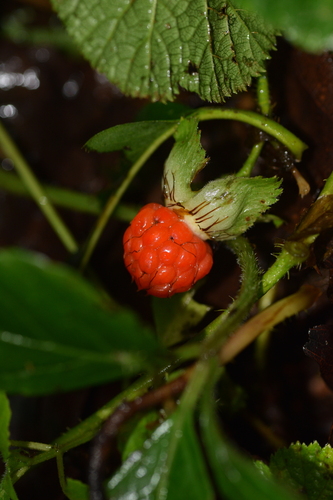
iNaturalist· cc-by-sa
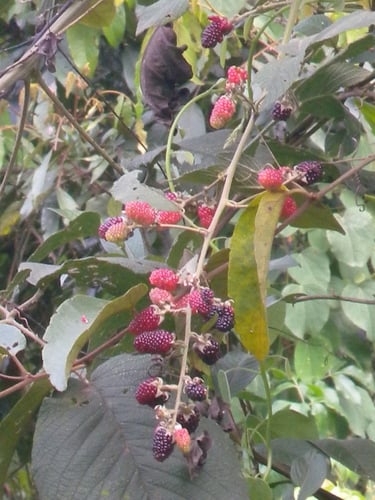
(c) Fir0002, some rights reserved (CC BY-SA)
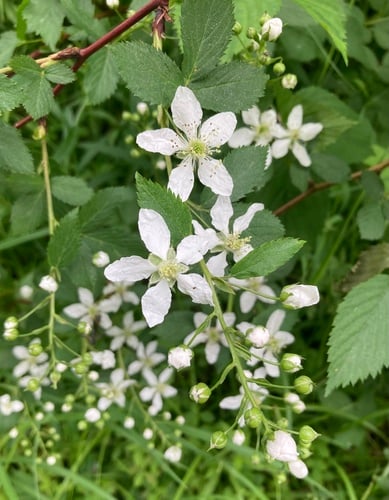
iNaturalist· cc-by-sa
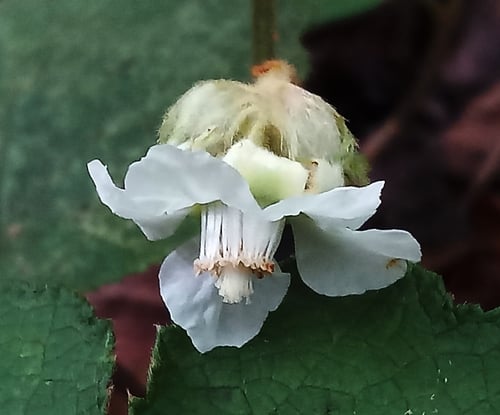
(c) PROPOLI87, some rights reserved (CC BY-SA)
iNaturalist· cc-by
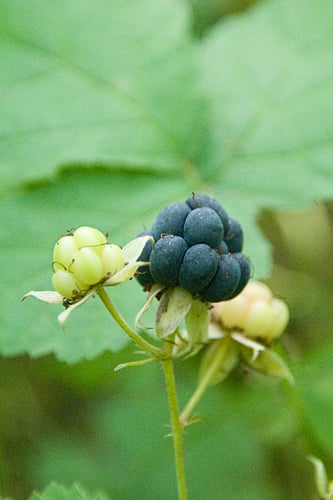
(c) etw, some rights reserved (CC BY)
Summary
Source: WikipediaPrunus armeniaca is the most commonly cultivated apricot species. The native range is somewhat uncertain due to its extensive prehistoric cultivation. Genetic studies indicate Central Asia is the center of origin. It is extensively cultivated in many countries and has escaped into the wild in many places. The specific epithet armeniaca refers to the country of Armenia in Western Asia.
Description
A small tree. It grows 4.5-6 m high and spreads 8 m wide. It is a spreading, rounded tree. The flowers are single and pink. They appear before the leaves. The leaves are green but turn red or yellow in autumn. The fruit are round and yellow. They are small and juicy.
Edible Uses
The fruit can be eaten fresh, stewed, dried, or made into preserves. The seeds must be detoxified by soaking before being powdered for use in drinks or pastry.
Traditional Uses
The fruit can be eaten fresh, stewed, dried and made into preserves. The seeds need to be detoxified by soaking and are then powdered for drinks or pastry.
Known Hazards
Seeds or kernels of the apricot grown in central Asia and around the Mediterranean may be substituted for bitter almonds. The Italian liqueur amaretto and amaretti biscotti are flavoured with extract of apricot kernels rather than almonds. Oil pressed from these cultivar kernels, and known as oil of almond, has been used as cooking oil. Kernels contain between 2.05% and 2.40% hydrogen cyanide, but consumption after proper processing is sufficient to reduce harmful effects.
Distribution
Temperate. It suits hardiness zones 3-9.
Where It Grows
Asia, Australia, Canada, China, Korea, Manchuria, North America, USA,
Notes
There are about 200 Prunus species.
Synonyms
References (6)
- Cundall, P., (ed.), 2004, Gardening Australia: flora: the gardener's bible. ABC Books. p 1095
- Deut. Dendrol. 317. 1893
- Facciola, S., 1998, Cornucopia 2: a Source Book of Edible Plants. Kampong Publications, p 194 (As Armeniaca mandshurica)
- Hu, Shiu-ying, 2005, Food Plants of China. The Chinese University Press. p 441
- Plants for a Future, The Field, Penpol, Lostwithiel, Cornwall, PL22 0NG, UK. http://www.scs.leeds.ac.uk/pfaf/
Show all 6 references Hide references
- Tanaka,