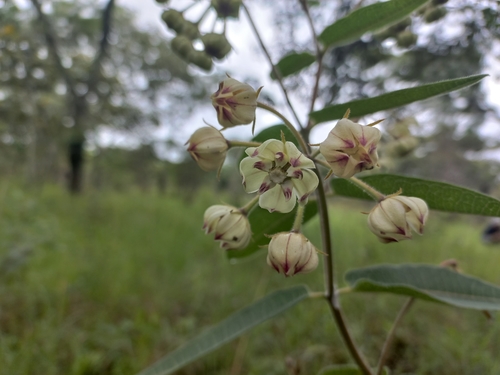
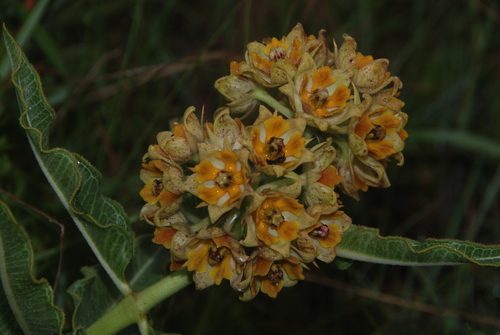
Raphionacme brownii
Scott Elliott
Raphionacme
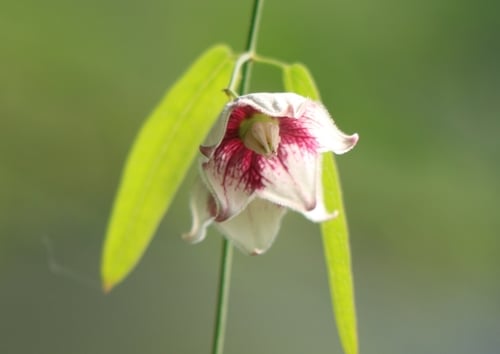
wikimedia· cc-by-sa
DVL2 (via Wikimedia Commons)
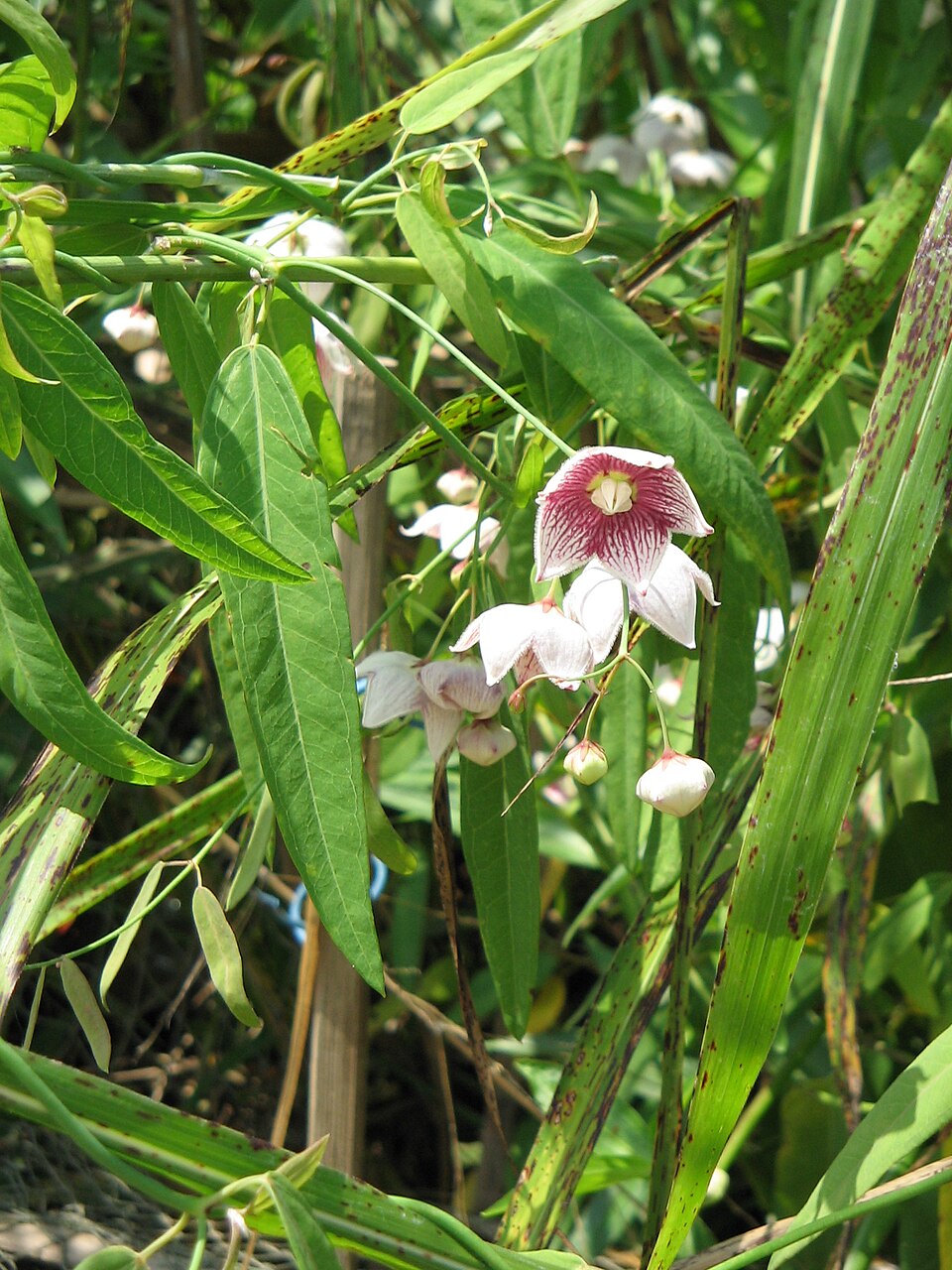
wikimedia· cc-by-sa
Michael Wolf (via Wikimedia Commons)
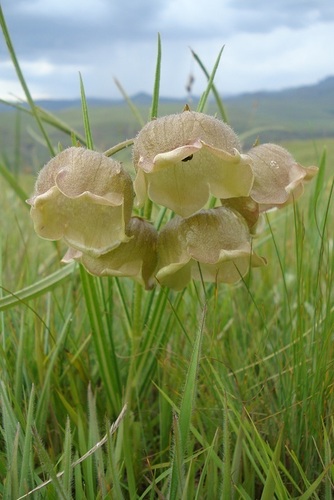
wikimedia· cc-by-sa
Michael Wolf (via Wikimedia Commons)
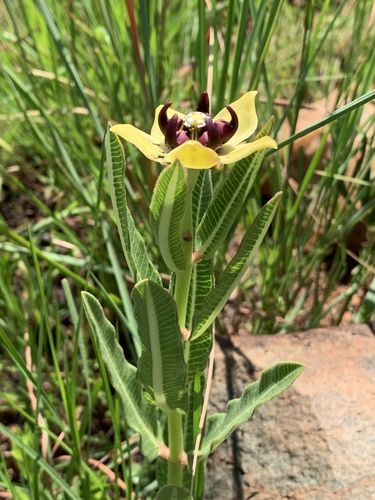
gbif· cc-by
Royal Botanic Gardens, Kew
gbif· cc-by
Meise Botanic Garden
gbif· cc-by
Meise Botanic Garden
Description
A small herb. It keeps growing from year to year. It grows 30 cm high. It has a fleshy turnip-like tuber.
This description is brief — help expand it
Edible Uses
The tuber is eaten raw. The roots and fruit are also eaten, particularly by children during famines.
Traditional Uses
The tuber is eaten raw.
This uses section is brief — help expand it
Distribution
A tropical plant. It grows in savannah scrubland.
Where It Grows
Africa, Burkina Faso, Guinea, Guinée, Guinea-Bissau, Nigeria, Senegal, Sierra Leone, West Africa,
Cultivation
A plant of the semi-arid tropics.
Other Information
The roots and fruit are eaten by children during famines.
Notes
A small genus.
Also Known As
Dafe, Fiom, Isonda, Katakirri, Rujiya
References (10)
- Anderson, M., 2002, The World Encyclopedia of Cacti and Succulents. Hermes House, New York. p 199 (Genus)
- Burkill, H. M., 1985, The useful plants of west tropical Africa, Vol. 4. Kew.
- Dalziel, J. M., 1937, The Useful plants of west tropical Africa. Crown Agents for the Colonies London.
- Food Composition Tables for use in Africa FAO http://www.fao.org/infoods/directory No. 771
- Grivetti, L. E., 1980, Agricultural development: present and potential role of edible wild plants. Part 2: Sub-Saharan Africa, Report to the Department of State Agency for International Development. p 24
Show all 10 references Hide references
- Jardin, C., 1970, List of Foods Used In Africa, FAO Nutrition Information Document Series No 2.p 97
- Lim, T. K., 2015, Edible Medicinal and Non Medicinal Plants. Volume 9, Modified Stems, Roots, Bulbs. Springer p 73
- MORTIMORE,
- Peters, C. R., O'Brien, E. M., and Drummond, R.B., 1992, Edible Wild plants of Sub-saharan Africa. Kew. p 66
- World Checklist of Useful Plant Species 2020. Royal Botanic Gardens, Kew