Finlaysonia obovata
Wall.
iNaturalist· cc-by-nc
(c) Mochammad Imron Afriandi, some rights reserved (CC BY-NC), uploaded by Mochammad Imron Afriandi
gbif· cc0
President and Fellows of Harvard College
Description
A slender woody climber. It has white sap. The leaves are simple and 4-12.5 cm long by 1.6-6 cm wide. They are fleshy. The leaf stalk is 7-20 mm long. The flowers are in a panicle at the ends of the branches. The flowers are 15 mm across. There are 5 petals. The flowers are yellow-green or yellow-brown. The fruit is a green or brown follicle. It is 5-8 cm long. It is ribbed and has several seeds.
Edible Uses
The leaves are eaten fresh in salads.
Traditional Uses
The leaves are eaten in salads.
This uses section is brief — help expand it
Distribution
A tropical plant. It grows in mangrove swamps. It is often near the mouths of rivers. It grows near sea level.
Where It Grows
Asia, Australia*, India, Indonesia, Malaysia, SE Asia,
Synonyms
Also Known As
Dudhi lata, Kalak kambing, Oyod kambing
References (6)
- Ambasta, S.P. (Ed.), 2000, The Useful Plants of India. CSIR India. p 224
- Burkill, I.H., 1966, A Dictionary of the Economic Products of the Malay Peninsula. Ministry of Agriculture and Cooperatives, Kuala Lumpur, Malaysia. Vol 1 (A-H) p 1035
- Cooper, W. and Cooper, W., 2004, Fruits of the Australian Tropical Rainforest. Nokomis Editions, Victoria, Australia. p 40
- Flora of Australia, Volume 28, Gentiales, Melbourne:CSIRO Australia, 1996. p 206 Map 237 p 300,
- Martin, F.W. & Ruberte, R.M., 1979, Edible Leaves of the Tropics. Antillian College Press, Mayaguez, Puerto Rico. p 177 (Also as Finlaysonia maritima)
Show all 6 references Hide references
- Pattanaik. C., et al, 2008, Utilisation of mangrove forests in Bhitarkanika wildlife sanctuary, Orissa. Indian Journal of Traditional Knowledge. 7(4): 598-603
More from Apocynaceae
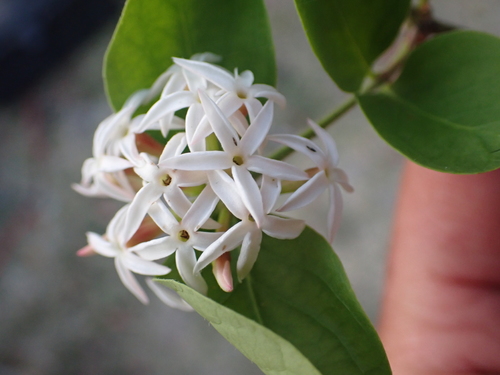
Carissa congesta
Bengal currant
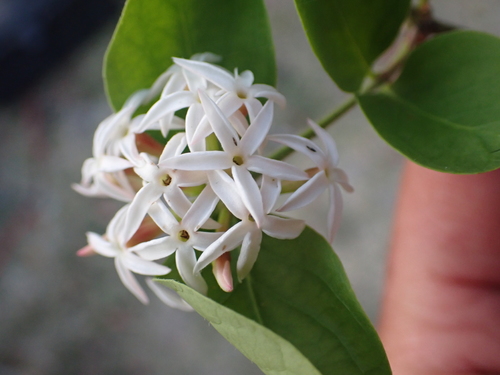
Carissa edulis
Carandas plum, Simple-spined carissa
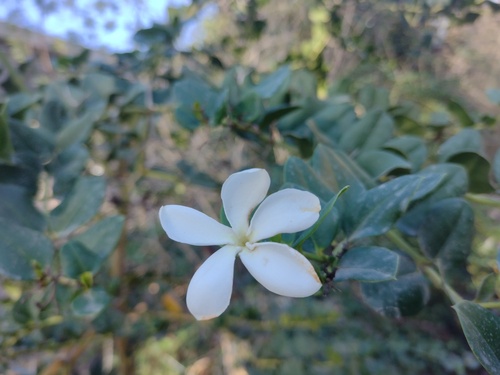
Carissa grandiflora
Carissa, Natal plum, Boxwood beauty
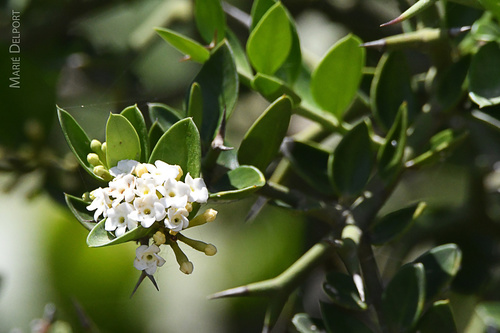
Carissa haematocarpa
Karoo num-num, Black num-num
Carissa lanceolata
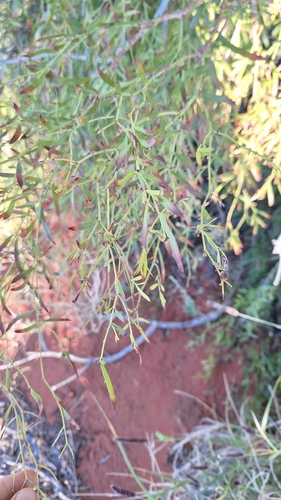
Konkleberry, Conkerberry, Currant bush, Kunkerberry, Aperlap, Perlap
Carissa macrocarpa
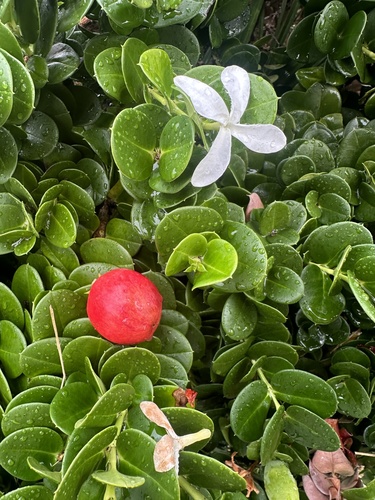
Natal plum, Large num-num, Carissa