Quercus lamellosa
Sm.
iNaturalist· cc-by-nc-sa
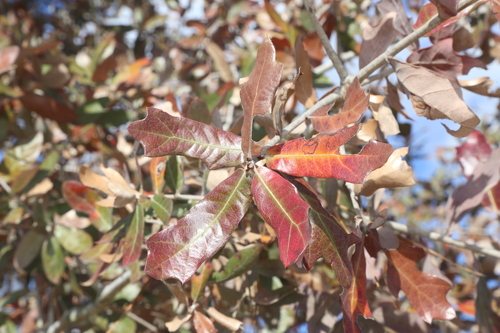
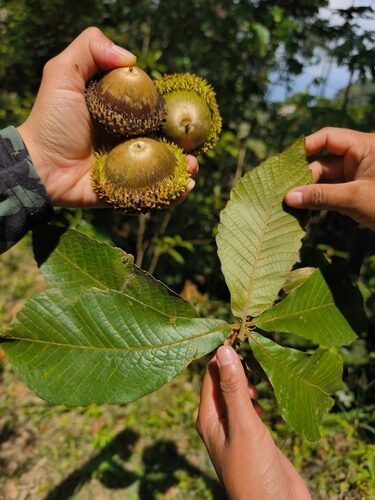
(c) Phuentsho, some rights reserved (CC BY-NC-SA), uploaded by Phuentsho
iNaturalist· cc-by
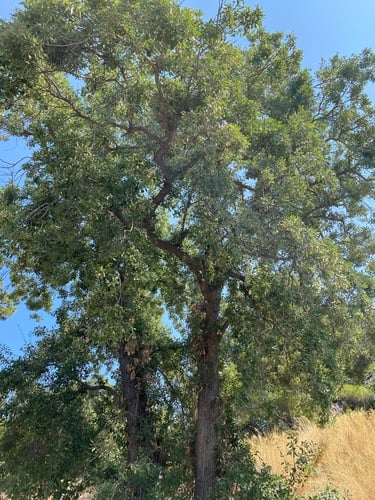
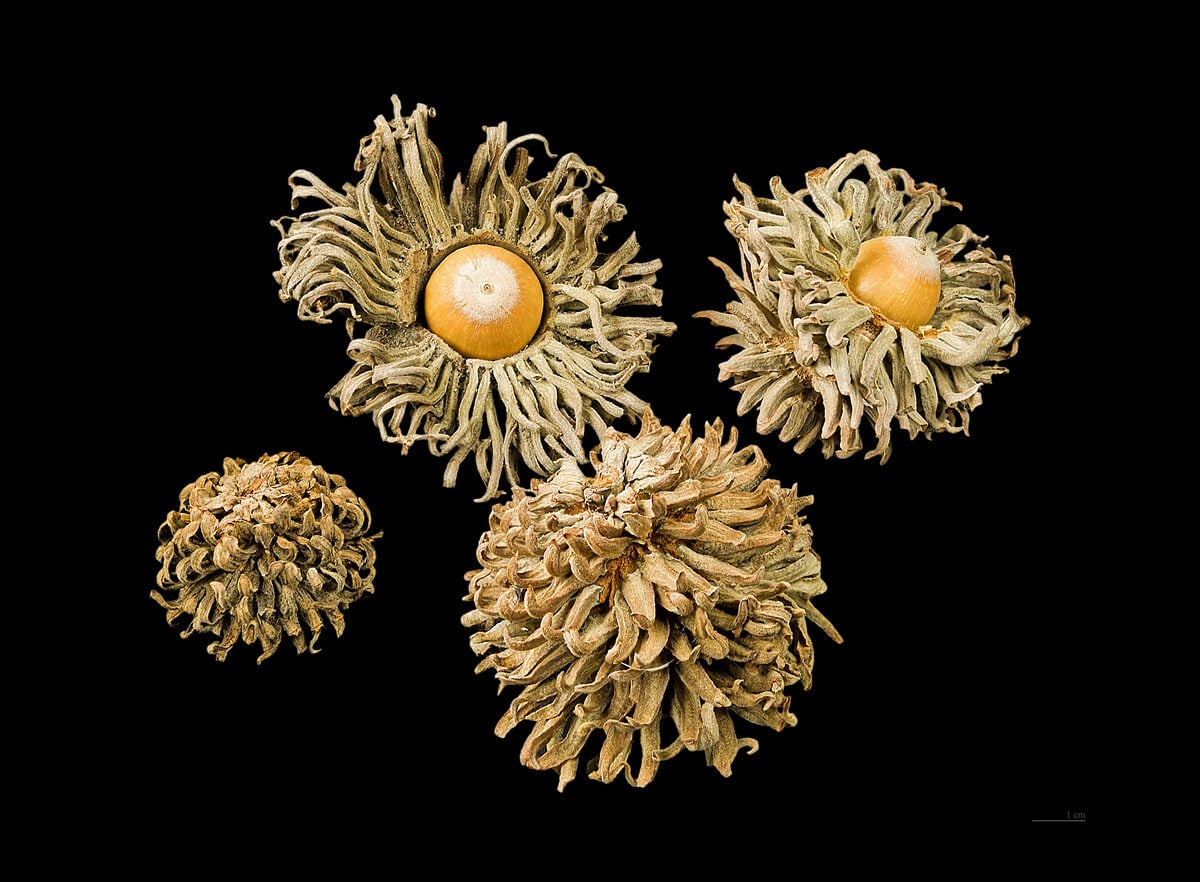
(c) Kristof & Yulia, some rights reserved (CC BY), uploaded by Kristof & Yulia
Summary
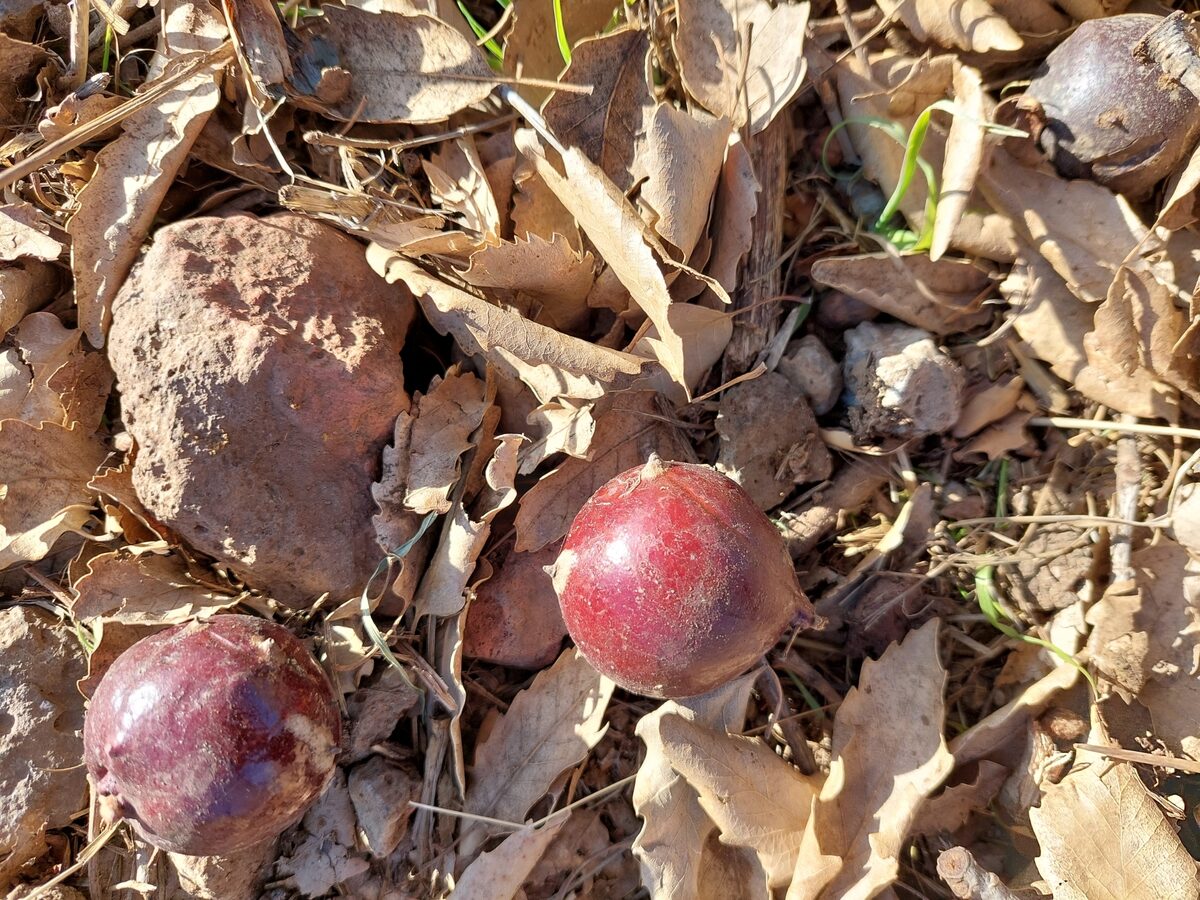
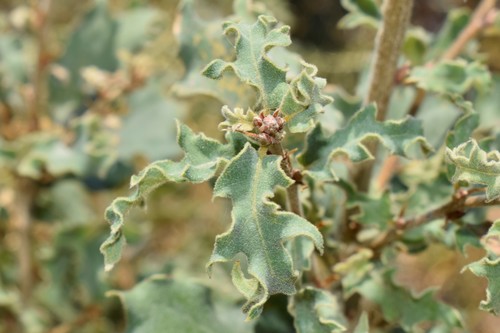
Source: WikipediaQuercus lamellosa (syn. Cyclobalanopsis lamellosa) is a species of oak (Quercus) native to the Himalaya and adjoining mountains from Tibet and Nepal east as far as Guangxi and northern Thailand, growing at altitudes of 1300–2500 m. The Lepcha of Sikkim call it book koong. It is placed in subgenus Cerris, section Cyclobalanopsis. Quercus lamellosa is a medium-sized to large evergreen tree growing to 40 m tall with a trunk up to 1.5 m diameter. The leaves are spirally arranged, ovate-elliptic, 16–45 cm long and 6–15 cm broad, with a sharply serrated margin. The flowers are catkins, the female flowers maturing into broad acorns 2–3 cm long and 3–4 cm broad, set in a deep cupule with concentric rings of woody scales. Joseph Dalton Hooker commented, "The present is one of the commonest trees about Dorjiling, and is certainly by far the noblest species of Oak known, whether from the size of the foliage or acorns, the texture and colour, or the imposing appearance of the tree." Quercus lamellosa is occasionally cultivated as an ornamental tree in warm-temperate climates; in the British Isles, cultivation is only successful in the milder parts of Ireland and Cornwall.
Description
A large tree. It can be 60 m tall. The crown is umbrella shaped. The bark is grey with a pinkish tinge in older trees. The leaves are large and 30 cm long and broadly sword shaped. They are white underneath. The edge has saw teeth. The fruit are acorns ringed with several cups up to 7 cm across. The nuts are top shaped and 3.7 cm long. They are brown and smooth.
Edible Uses
The seeds of this species are particularly large — four of them cover an adult hand. They are cooked before eating and can be dried, ground into a powder, and used as a thickening in stews or mixed with cereals for making bread. The seeds contain bitter tannins that must be leached out by thoroughly washing in running water, though this also removes many minerals. Either whole seeds or ground powder can be used. Leaching whole seeds can take several days or even weeks; placing them in a cloth bag in a running stream is one traditional approach. Grinding to powder speeds the process, and a simple taste test indicates when sufficient tannin has been removed. The traditional method was to bury seeds in boggy ground overwinter and dig up the germinating seeds in spring once astringency had largely dissipated. Roasted seeds serve as a coffee substitute.
Medicinal Uses
The bark and acorns are astringent. Any galls produced on the tree are strongly astringent and can be used in the treatment of haemorrhages, chronic diarrhoea, and dysentery.
Distribution
It is a temperate plant. It grows between 1,600-2,800 m altitude in moist forests in N India.
Where It Grows
Asia, Himalayas, India, Myanmar, Nepal, Northeastern India, SE Asia, Sikkim,
Cultivation
Prefers a good deep fertile loam which can be on the stiff side. Young plants tolerate reasonable levels of side shade. Tolerates moderate exposure, surviving well but being somewhat stunted. A very ornamental tree, it is somewhat tender in Britain but grows well on the Isle of Wight and in Cornwall. It prefers warmer summers than are usually experienced in Britain. Intolerant of root disturbance, trees should be planted in their permanent positions whilst young. Hybridizes freely with other members of the genus. Plants in this genus are notably resistant to honey fungus.
Propagation
Seed loses viability quickly if allowed to dry out. It can be stored moist and cool overwinter, but is best sown as soon as it is ripe in an outdoor seed bed with protection from mice and squirrels. Small quantities can be sown in deep pots in a cold frame. Because plants develop a deep taproot, they should be moved to their permanent positions as soon as possible — trees sown in situ produce the best results. Do not leave trees in a nursery bed for more than 2 growing seasons, as they transplant very poorly after that point.
Other Uses
A mulch of the leaves repels slugs and grubs, though fresh leaves should not be used as they can inhibit plant growth. Oak galls, produced by insect larvae living inside them, become a rich source of tannin once the insect has left, and can also be used as a dyestuff. The bark is a further source of tannin. The wood is very hard and durable when kept dry, and is used for construction and for making handles for agricultural implements. It also serves as an excellent fuel.
Notes
There are about 600 Quercus species.
Also Known As
Bajranth, Bajratha, Bujrat, Buk, Buuk, Khora niddum, Pharat-singhali, Shalshi, Thite
References (9)
- Ambasta S.P. (Ed.), 2000, The Useful Plants of India. CSIR India. p 509
- Balkrishna, A., et al, 2022, Indigenous Uses of Plants among Forest-dependent Communities of Seijosa, Arunachal Pradesh. International Journal of Economic Plants 2022, 9(1):064-080
- Manandhar, N.P., 2002, Plants and People of Nepal. Timber Press. Portland, Oregon. p 388
- Plants for a Future database, The Field, Penpol, Lostwithiel, Cornwall, PL22 0NG, UK. http://www.scs.leeds.ac.uk/pfaf/
- A. Rees, Cycl. 29: Quercus no. 23. 1814
Show all 9 references Hide references
- Murtem, G. & Chaudhrey, P., 2016, An ethnobotanical note on wild edible plants of Upper Eastern Himalaya, India. Brazilian Journal of Biological Sciences, 2016, v. 3, no. 5, p. 63-81
- Sahni, K.C., 2000, The Book of Indian Trees. Bombay Natural History Society. Oxford. p 174
- Sharma, G., et al, 2016, Agrobiodiversity in the Sikkim Himalaya. International Centre for Integrated Mountain Development, ICIMOD Working Paper 2016/5 p 20
- Sundriyal, M. & Sundriyal, R. C., 2004, Structure, Phenology, Fruit Yield, and Future Prospects of some Prominent Wild Edible Plant Species of the Sikkim Himalaya, India. Journal of Ethnobiology 24(1): 113-138