Pyrus salviifolia
DC.
iNaturalist· cc-by-nc-sa
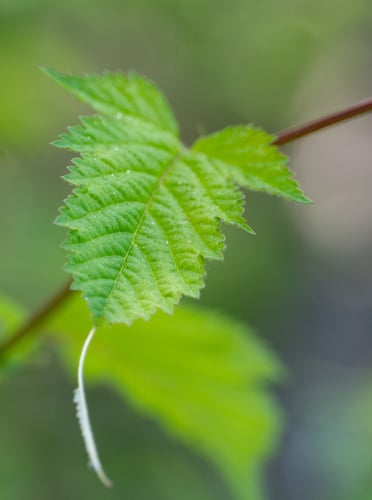
(c) Colin Robbins, some rights reserved (CC BY-NC-SA)
iNaturalist· cc-by-nc-sa
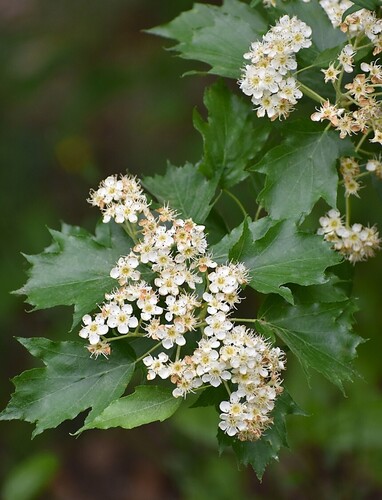
(c) Colin Robbins, some rights reserved (CC BY-NC-SA)
iNaturalist· cc-by-nc-sa
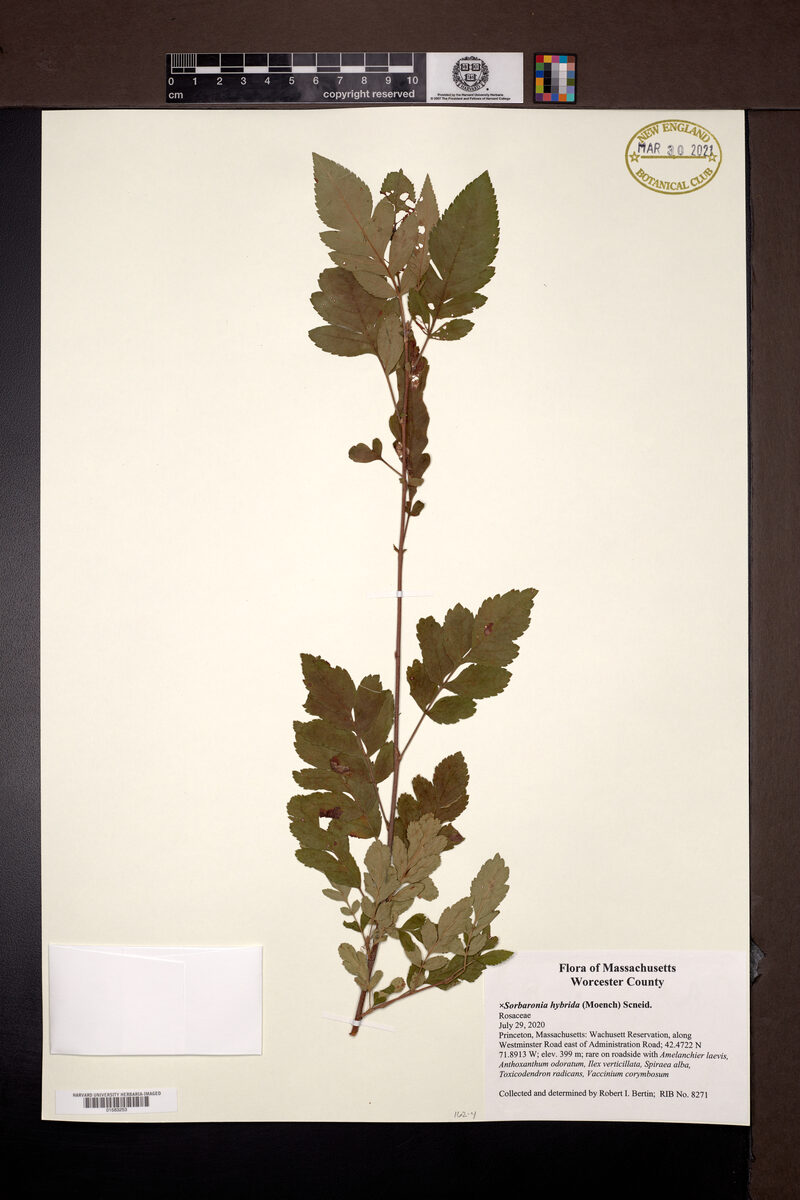
(c) Colin Robbins, some rights reserved (CC BY-NC-SA)
Description
A tree in the Rosaceae family found in temperate regions. The fruit is edible.
This description is brief — help expand it
Edible Uses
The fruit, up to 2.5cm long, can be eaten raw or cooked.
Medicinal Uses
None known
Distribution
It is a temperate plant.
Propagation
Seed is best sown in a cold frame as soon as it is ripe in autumn, when it will typically germinate in mid to late winter. Stored seed requires 8–10 weeks of cold stratification at 1°c and should be sown as early in the year as possible. Temperatures above 15–20°c can induce secondary dormancy. Prick out seedlings into individual pots when large enough to handle and grow on in light shade in a cold frame or greenhouse for their first year. Plant out in late spring or early summer the following year. As a hybrid, this species is unlikely to come true from seed.
Other Uses
None known
Synonyms
References (1)
- Plants for a Future database, The Field, Penpol, Lostwithiel, Cornwall, PL22 0NG, UK. http://www.scs.leeds.ac.uk/pfaf/