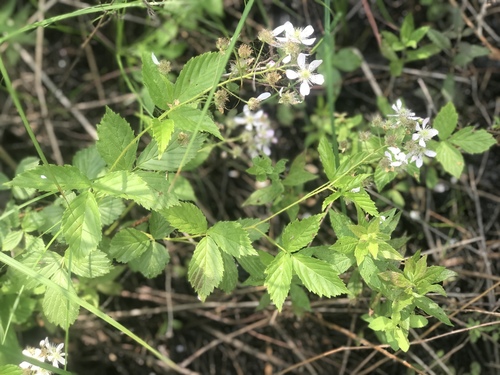
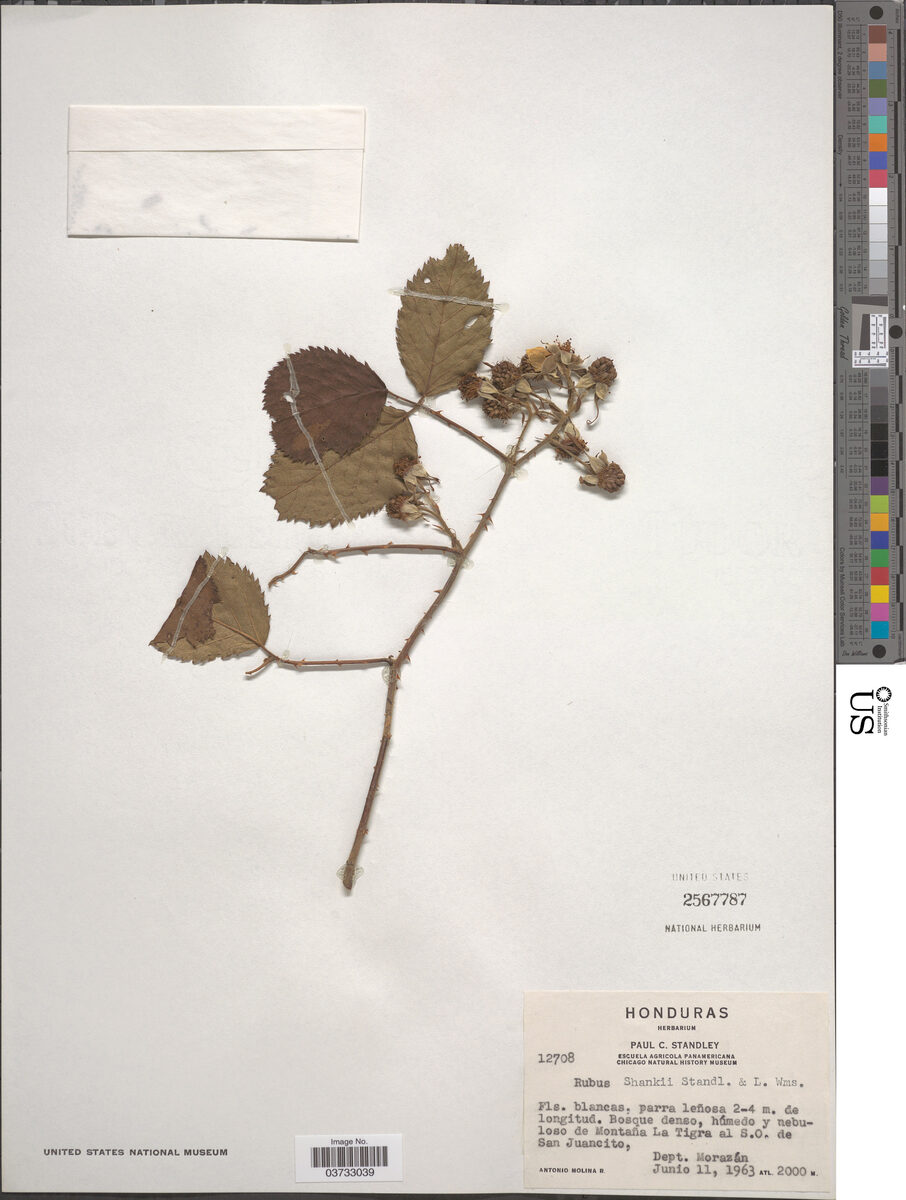
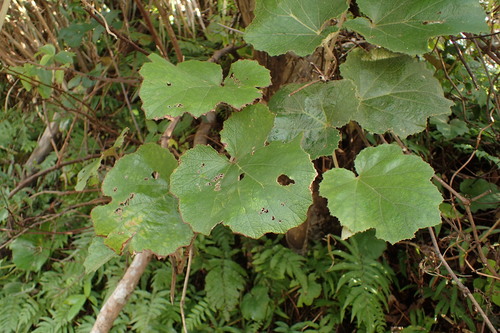
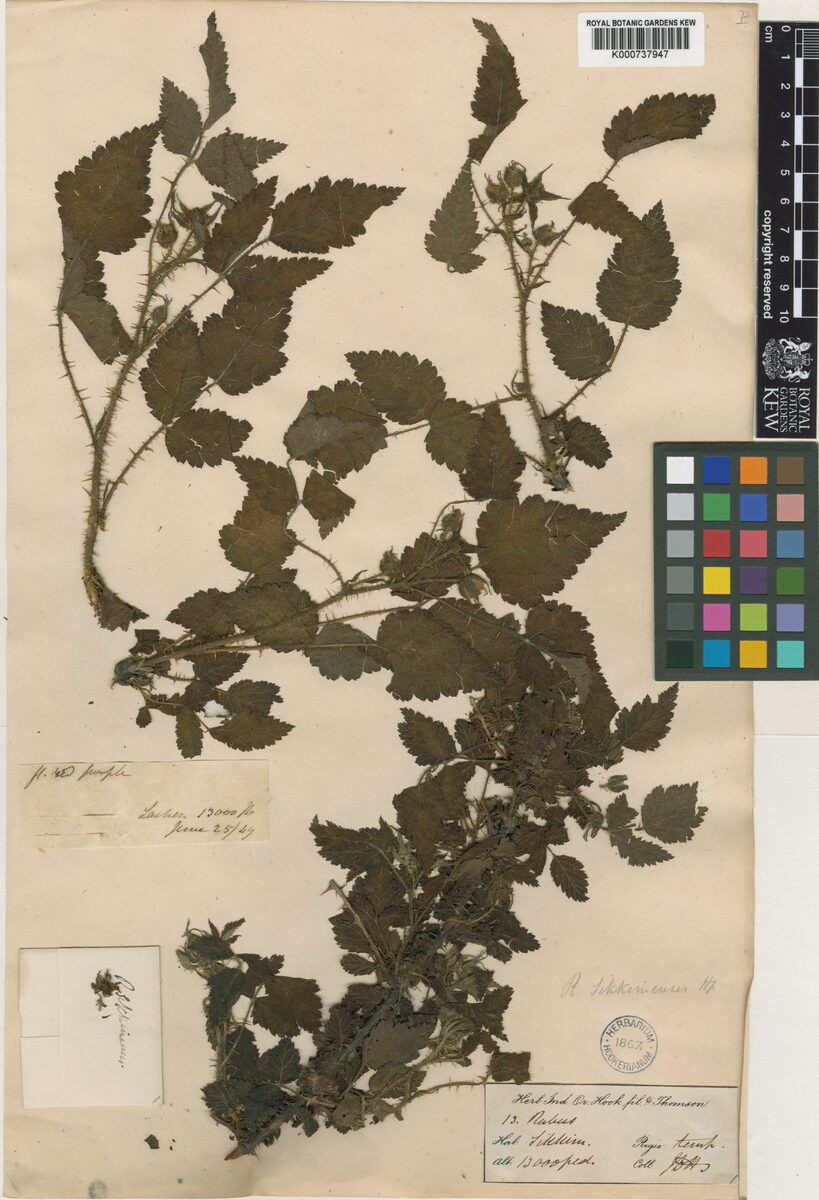
Pyrus salicifolia
Pallas
Willow leaf pear, Silver Pear
iNaturalist· cc0
no rights reserved, uploaded by Piermario Maculan
iNaturalist· cc-by-nc
(c) Pavel Buršík, some rights reserved (CC BY-NC)
iNaturalist· cc0
no rights reserved, uploaded by Piermario Maculan
Summary
Source: WikipediaPyrus salicifolia is a species of pear, native to the Middle East. It is widely grown as an ornamental tree, almost always as a pendulous (or "weeping") cultivar, and is called by various common names, including willow-leaved pear, weeping pear, and similar. The tree is deciduous and of comparatively small stature, rarely reaching 10–12 meters in height. The crown is rounded. It has pendulous, silvery foliage, superficially similar to a weeping willow. The flowers are large and pure white highlighted with black-tipped stamens although the buds are tipped with red. The small green fruits are inedible, being hard and astringent. This tree is cultivated widely in gardens and landscapes. It grows well on infertile sandy soils due to its spreading root system. The trees flower in the spring, but during the rest of the year can be trimmed back and shaped almost like topiary. This species of tree is very susceptible to fireblight, a bacterial pathogen. Pyrus salicifolia may also be confused with Pyrus nivalis which is generally taller and hardly pendulous or with Pyrus elaeagnifolia which has broader entire leaves and longer petioles. The cultivar 'Pendula' has gained the Royal Horticultural Society's Award of Garden Merit.
Description
A small deciduous tree. It grows 6-10 m high and 3.7-6 m wide. It is a broad weeping shape. The bark is pale grey-brown and cracks into smooth plates. The leaves are narrow and willow-like and are grey and felted but turn grey-green. They are 9 cm long by 2 cm wide. They taper to both ends. The flowers are creamy-white and in clusters. They are 2 cm across and have 5 petals and deep pink anthers. The fruit are pear shaped and hard and green. They are 3 cm long.
Edible Uses
The fruit, 2–3cm long, can be eaten raw or cooked but is harsh and of little value unless it has been bletted, after which it becomes pleasant to eat.
Traditional Uses
The fruit are used for juice, Jam and sweets.
This uses section is brief — help expand it
Medicinal Uses
None known
Distribution
A temperate plant. It is native to the Caucasus and N.E. Turkey. It grows on the edges of woods. It suits hardiness zones 4-9. Arboretum Tasmania.
Where It Grows
Armenia, Australia, Azerbaijan, Caucasus, Europe, Georgia, Greece, Iran, Mediterranean, Middle East, Russia, Tasmania, Turkey, Türkiye,
Cultivation
Prefers a good well-drained loam in full sun. Grows well in heavy clay soils. Tolerates light shade but does not fruit so well in such a position. Tolerates atmospheric pollution, excessive moisture and a range of soil types if they are moderately fertile. Established plants are drought tolerant. The dormant plant is very frost resistant. A very ornamental plant.
Propagation
Seed is best sown in a cold frame as soon as it is ripe in autumn, when it will typically germinate in mid to late winter. Stored seed requires 8–10 weeks of cold stratification at 1°C and should be sown as early in the year as possible. Temperatures above 15–20°C can induce a secondary dormancy. Prick out seedlings into individual pots once large enough to handle, and grow on in light shade in a cold frame or greenhouse through their first year. Plant out in late spring or early summer the following year.
Other Uses
The plant produces an oil. Its extensive root system also makes it useful for binding sands and stabilising soil.
Other Information
It is sold in local markets.
Also Known As
Tandzeni
References (13)
- Asanidze, Z., et al, 2011, Comparative morphometric study and relationships between the Caucasian species of wild pear (Pyrus spp.) and local cultivars in Georgia. Flora 206 (2011) 974-986
- Bodkin, F., 1991, Encyclopedia Botanica. Cornstalk publishing, p 859
- Brickell, C. (Ed.), 1999, The Royal Horticultural Society A-Z Encyclopedia of Garden Plants. Convent Garden Books. p 853
- Coombes, A.J., 2000, Trees. Dorling Kindersley Handbooks. p 273
- Cundall, P., (ed.), 2004, Gardening Australia: flora: the gardener's bible. ABC Books. p 1119
Show all 13 references Hide references
- Hedrick, U.P., 1919, (Ed.), Sturtevant's edible plants of the world. p 543
- Hibbert, M., 2002, The Aussie Plant Finder 2002, Florilegium. p 244
- Joyce, D., 1998, The Garden Plant Selector. Ryland, Peters and Small. p 117
- Marinelli, J. (Ed), 2004, Plant. DK. p 119
- Nanagulyan, S., et al, 2020, Wild plants and fungi sold in the markets of Yerevan (Armenia). Journal of Ethnobiology and Ethnomedicine 16:26
- Plants for a Future database, The Field, Penpol, Lostwithiel, Cornwall, PL22 0NG, UK. http://www.scs.leeds.ac.uk/pfaf/
- Postman, J. D., et al, 2012, Recent NPGS Coordinated Expeditions in the Trans-Caucasus Region to Collect Wild Relatives of Temperate Fruit and Nut Crops. In Acta Horticulturae Number 948 p 191-198
- Reise russ. Reich. 3:734. 1776