Pyrus glabra
Boiss.
wikimedia· cc0
Alexandre Joseph Désiré Bivort (1809-1872) (via Wikimedia Commons)
gbif· cc-by
GBIF
wikimedia· cc0
Wikimedia Commons - Anonimski
wikimedia· cc0
Wikimedia Commons - Anonimski
wikimedia· cc0
Wikimedia Commons - Currie Brothers Company.; Henry G. Gilbert Nursery and Seed Trade Catalog Collection.
Summary
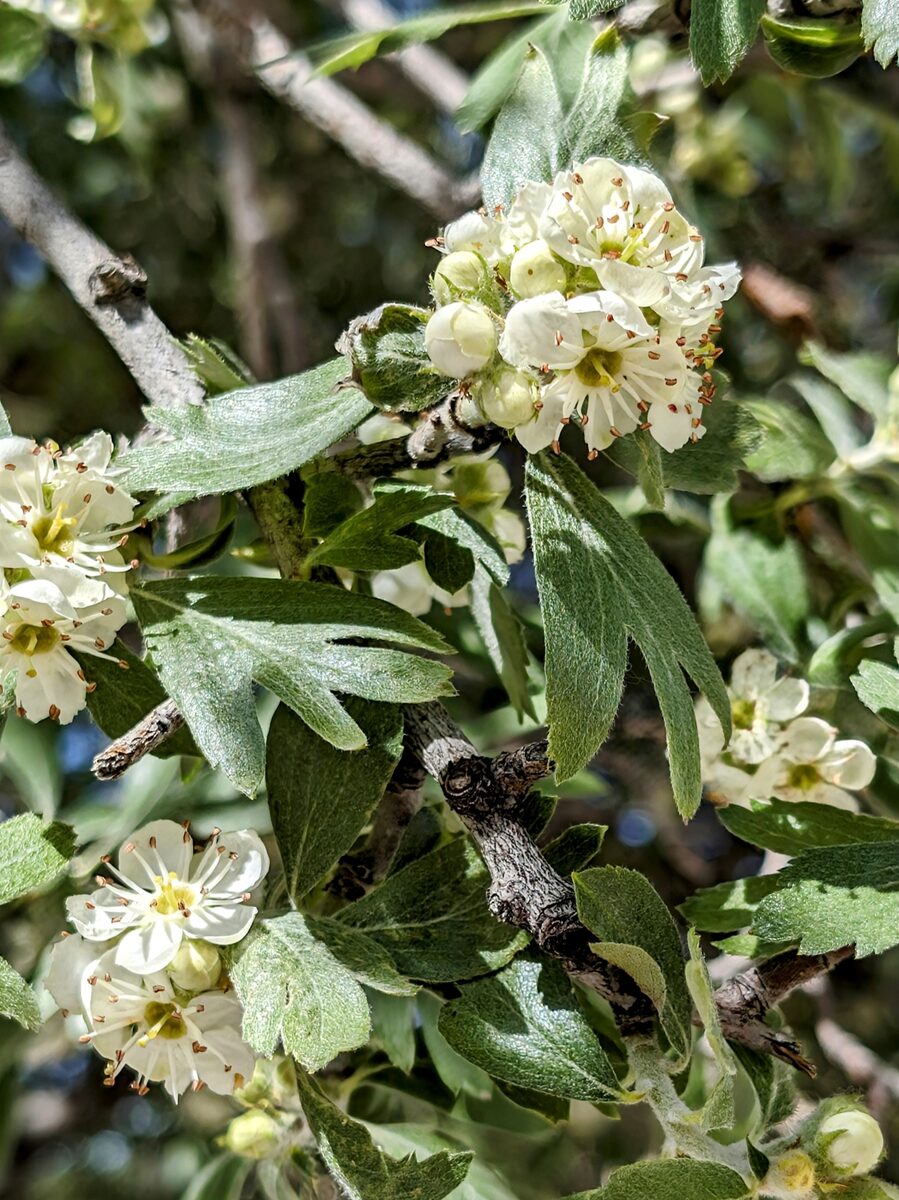
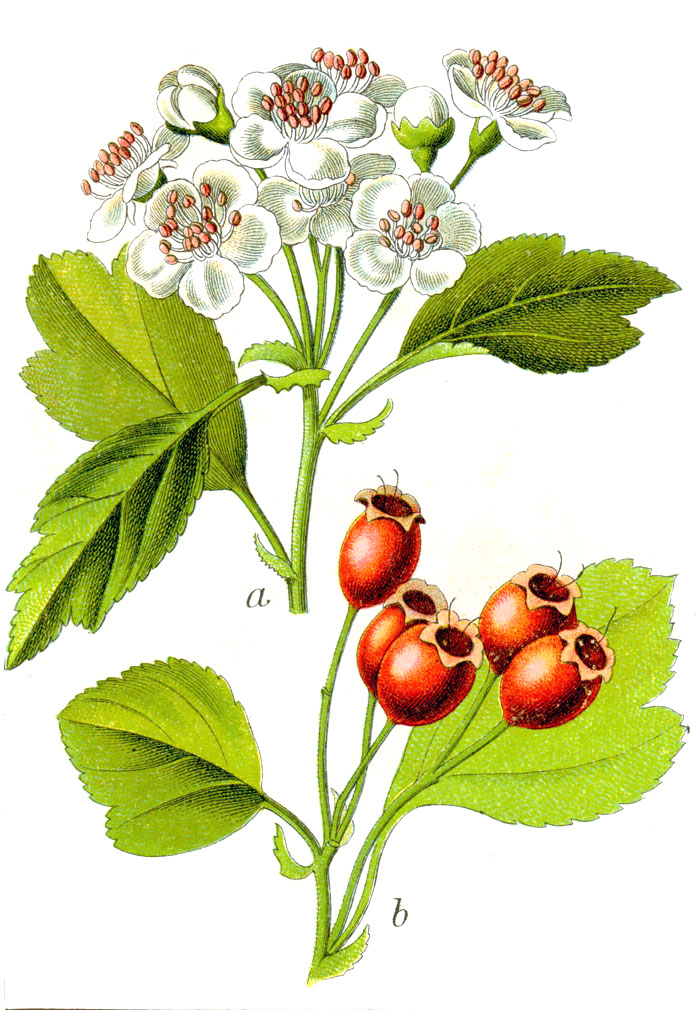
Source: WikipediaPyrus glabra, (Persian: انچوچک, referring to the seeds), is a species wild pear native to Iran. Preferring to grow in the Zagros Mountains at about 2000 m above sea level, it is a small, spiny tree, typically 4.6 m tall, reaching 7.8 m. The plant was said to exude a sweet substance called manna of Luristan, which was collected by locals and consumed. Its fruit are heavy with tannins and very sour, but are still gathered in the wild for the vegetable oil in the seeds, which are larger than typical pear seeds. The oil keeps for a long time and is high in omega-6 fatty acids.
Description
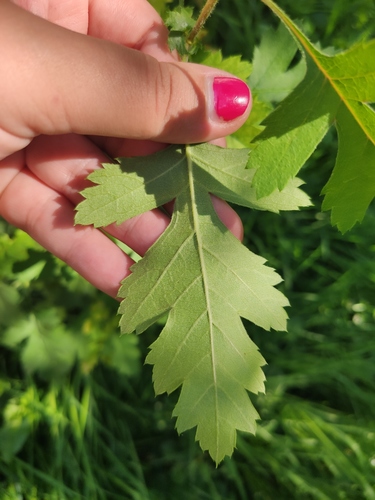
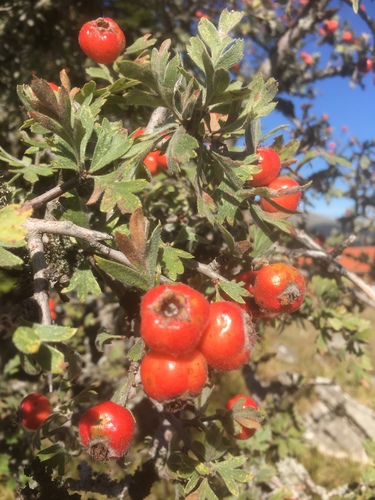
A tree. It grows 5-10 m tall. The branches are spiny. The leaves are 2.5-11 cm long by 0.7-2.3 cm wide. The fruit is round and 1.5-2 cm long by 1.5-1.7 cm wide.
Edible Uses
The fruit can be eaten raw or cooked. The seeds can be used pickled. A manna is also obtained from the trunk.
Medicinal Uses
None known
Known Hazards
None known
Distribution
It is a temperate plant.
Where It Grows
Asia, Iran, Middle East,
Cultivation
Prefers a good well-drained loam in full sun. Grows well in heavy clay soils. Tolerates light shade but does not fruit so well in such a position. Tolerates atmospheric pollution, excessive moisture and a range of soil types if they are moderately fertile. Established plants are drought tolerant.
Propagation
Seed is best sown in a cold frame as soon as it is ripe in autumn, when it will typically germinate in mid to late winter. Stored seed requires 8–10 weeks of cold stratification at 1°c and should be sown as early in the year as possible. Temperatures above 15–20°c can induce secondary dormancy. Prick out seedlings into individual pots once large enough to handle, and grow on in light shade in a cold frame or greenhouse for their first year. Plant out in late spring or early summer the following year.
Other Uses
None known
Synonyms
References (4)
- Diagn. pl. orient. ser. 1, 6:53. 1846 ("1845")
- Hedrick, U.P., 1919, (Ed.), Sturtevant's edible plants of the world. p 320
- Plants for a Future database, The Field, Penpol, Lostwithiel, Cornwall, PL22 0NG, UK. http://www.scs.leeds.ac.uk/pfaf/
- Zamani, A., et al, 2012, A synopsis of the genus Pyrus (Rosaceae) in Iran. Nordic Journal of Botany 30: 310–332