Crataegus oxyacantha
(L.) Walt.
European hawthorn, Double-flowered white hawthorn
Wikipedia· cc-by-sa
Wikimedia Commons - Crataegus_sp_Sturm3.jpg
iNaturalist· cc-by-nc
(c) wildcreek, some rights reserved (CC BY-NC)
Summary
Source: WikipediaThe name Crataegus oxyacantha L. has been rejected as being of uncertain application, but is sometimes still used.
Description
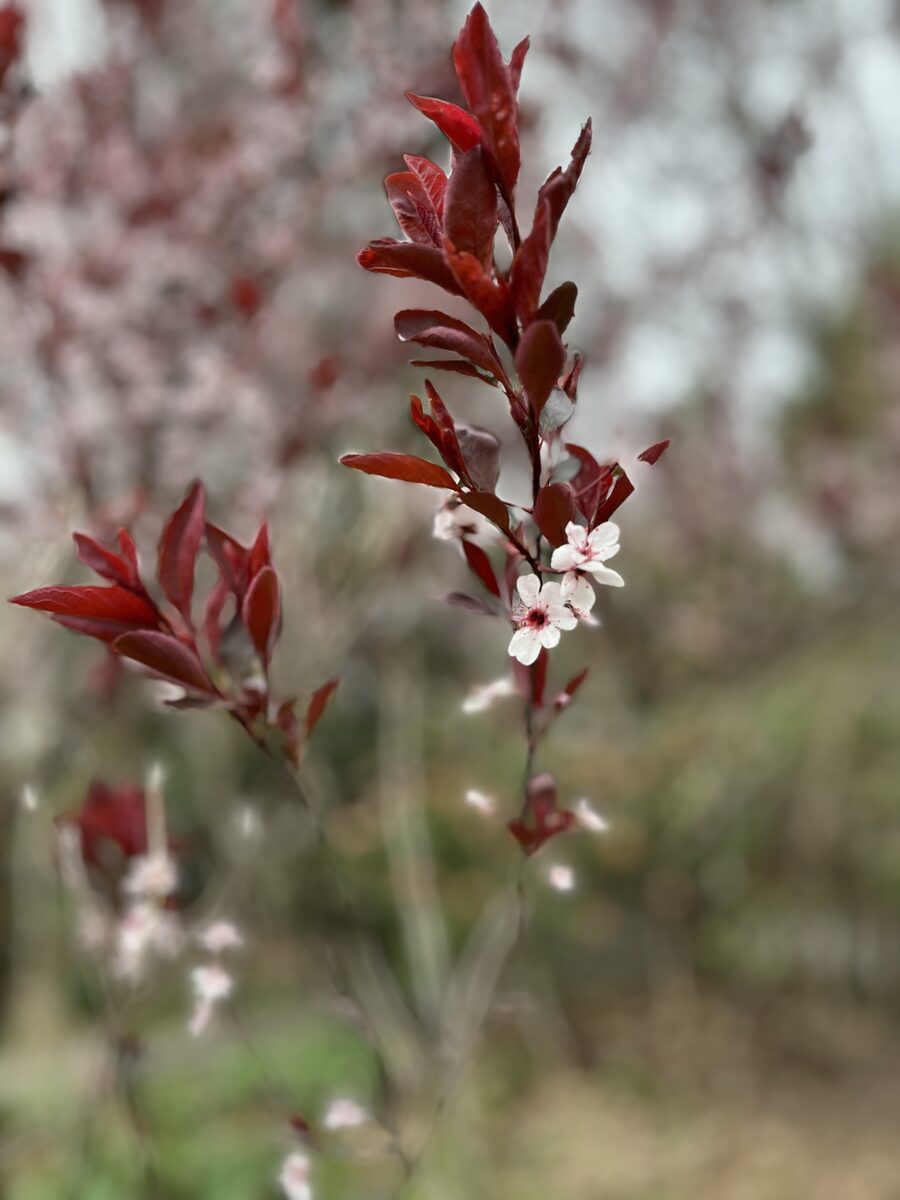
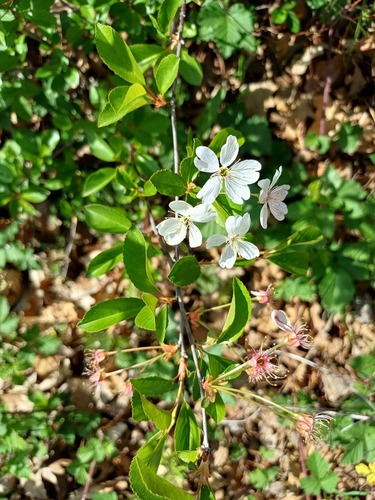
A small tree. It grows 5 m tall. The branches are reddish brown and thorny. The leaves are smooth. They are alternate and simple. There are 3-5 lobes in the top half. There are irregular teeth around the edge. The leaves are bright green and glossy on top. The flowers are white and at the end of the branches. The fruit are round and turn red when ripe. They have 2 seeds.
Edible Uses
The round red fruits can be eaten raw or cooked and used in pies and preserves, or dried and added to flour. The young leaves are used for tea, and the seeds serve as a coffee substitute.
Traditional Uses
The fruit can be eaten raw or cooked and used in pies and preserves. They can be dried. The dried fruit pulp can be added to flour. The young leaves are used for tea. The seeds are used as a coffee substitute.
Medicinal Uses
No medicinal uses mentioned in the data.
Distribution
Temperate. It will grow in most soils. It needs an open sunny position. It is resistant to frost and drought.
Where It Grows
Africa, Asia, Australia, Balkans, Britain, Croatia, Europe*, Himalayas, Hungary, India, Italy, Macedonia, Mediterranean, Netherlands, North Africa, North America, Pakistan, Russia, Tunisia, USA,
Cultivation
Plants can be grown from seed. The seed need cold treatment. Plants can also be grafted.
Other Information
It is cultivated.
Notes
There are 200 or more Crataegus species. There is some uncertainty over the scientific name of this species.
Synonyms
Also Known As
Ban sanjli, Changa, Phindak, Pingyat, Quick-set thorn, Ring, Ringo, Tampassa
References (20)
- Ali, H., et al, 2011, Ethnobotanical profile of some plant resources in Malam Jabba valley of Swat, Pakistan. Journal of Medicinal Plants Research Vol. 5(18), pp 4676-4687
- Ambasta, S.P. (Ed.), 2000, The Useful Plants of India. CSIR India. p 144
- Bodkin, F., 1991, Encyclopedia Botanica. Cornstalk publishing, p 296
- BOUQUET,
- Denes, A., et al, 2012, Wild plants used for food by Hungarian ethnic groups living in the Carpathian Basin. Acta Societatis Botanicorum Poloniae 81 (4): 381-396
Show all 20 references Hide references
- Dobriyal, M. J. R. & Dobriyal, R., 2014, Non Wood Forest Produce an Option for Ethnic Food and Nutritional Security in India. Int. J. of Usuf. Mngt. 15(1):17-37
- Facciola, S., 1998, Cornucopia 2: a Source Book of Edible Plants. Kampong Publications, p 197
- Flowerdew, B., 2000, Complete Fruit Book. Kyle Cathie Ltd., London. p 180
- Food Composition Tables for the Near East. http://www/fao.org/docrep No. 480
- Hamayun, M., Ethnobotanical Studies of some Useful Shrubs and Trees of District Buner, NWFP, Pakistan
- Hedrick, U.P., 1919, (Ed.), Sturtevant's edible plants of the world. p 224
- Hibbert, M., 2002, The Aussie Plant Finder 2002, Florilegium. p 75
- Luczaj, L. et al, 2014, Wild Food Plants of Dalmatia (Croatia). in A. Pieroni, C. L. Quave (eds.), Ethnobotany and Biocultural Diversities in the Balkans, p 138
- Pieroni, A., et al, 2005, Food for two seasons: Culinary uses of non-cultivated local vegetables and mushrooms in a south Italian village. International Journal of Food Sciences and Nutrition, 56(4): 245-272
- Lord, E.E., & Willis, J.H., 1999, Shrubs and Trees for Australian gardens. Lothian. p 52
- Schuler, S., (Ed.), 1977, Simon & Schuster's Guide to Trees. Simon & Schuster. No. 98
- Singh, H.B., Arora R.K.,1978, Wild edible Plants of India. Indian Council of Agricultural Research, New Delhi. p 54
- Tozer, F., 2007, The Uses of Wild Plants. Green Man Publishing. p 72
- Uphof,
- Vorstenbosch, T., et al, 2017, Famine food of vegetal origin consumed in the Netherlands during World War II. Journal of Ethnobiology and Ethnomedicine (2017) 13:63