Eragrostis nindensis
Fical. & Hiern
Perennial love grass, Wethergrass
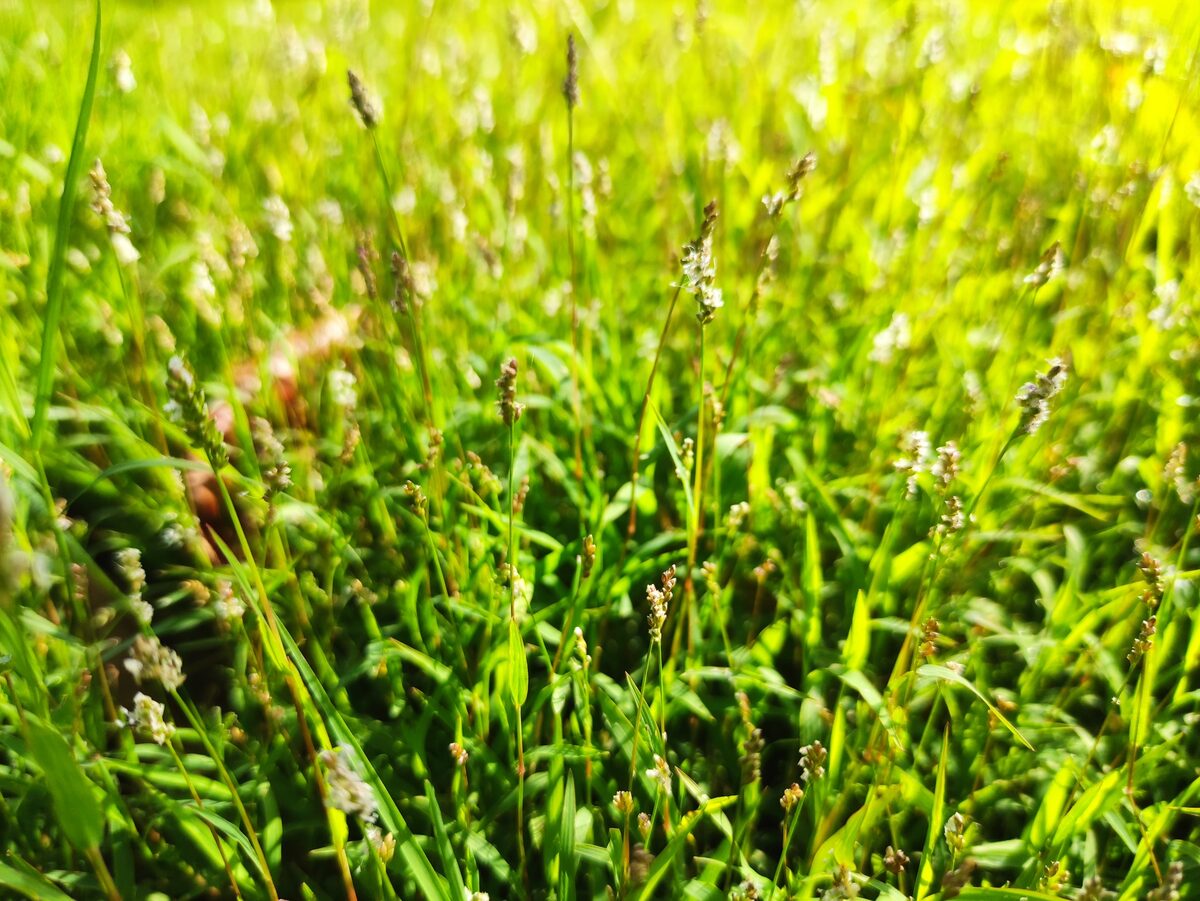
iNaturalist· cc-by-nc
(c) Jan-Hendrik Keet, some rights reserved (CC BY-NC), uploaded by Jan-Hendrik Keet
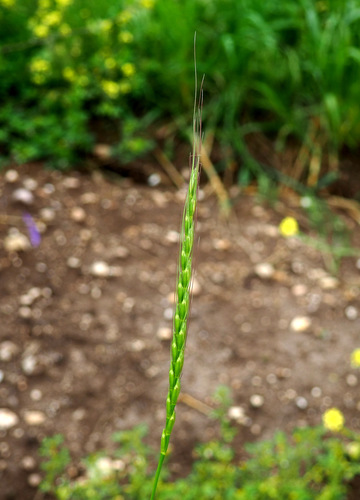
iNaturalist· cc-by-nc
(c) Richard Gill, some rights reserved (CC BY-NC), uploaded by Richard Gill
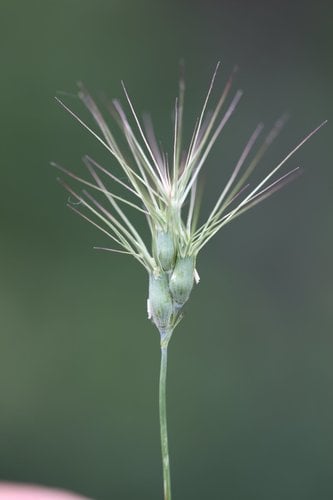
iNaturalist· cc-by-nc
(c) Richard Gill, some rights reserved (CC BY-NC), uploaded by Richard Gill
Description
A herb. This grass forms tussocks. They are erect and in dense tufts. It has rhizomes or underground stems. It keeps growing from year to year. It grows 90 cm high. The leaf blade is 3 mm wide and usually has soft hairs.
Edible Uses
The seeds are used in porridge as a cereal.
Traditional Uses
The seeds are used in porridge.
This uses section is brief — help expand it
Medicinal Uses
The young leaves are sucked to treat colds.
Distribution
It is a subtropical plant. It grows in hot, arid areas with a marked dry season. It can grow in shallow, rocky and water logged soils. It grows between 100-2,000 m above sea level. It can tolerate drought. It can grow in arid places.
Where It Grows
Africa, Botswana, Central Africa, Congo, East Africa, Malawi, Mozambique, Namibia, South Africa, Southern Africa, Tanzania, Zambia, Zimbabwe,
Cultivation
It is a so-called ‘resurrection plant’, able to survive near-complete desiccation of its tissues. It retains mobile water in its leaves even when dried naturally to less than 20% water content. It also disassembles chloroplasts when conditions are too dry to maintain photosynthesis in order to avoid light-induced oxidative stress. Young seedlings, however, are sensitive to drought.
Propagation
Seed - sow in situ, only just covering the seed. Germination is usually very quick and free.
Production
The seeds are collected from the plant. They are also collected by harvester ants and then collected from the ants nests.
References (4)
- Royal Botanic Gardens, Kew (1999). Survey of Economic Plants for Arid and Semi-Arid Lands (SEPASAL) database. Published on the Internet; http://www.rbgkew.org.uk/ceb/sepasal/internet [Accessed 3rd June 2011]
- Ruiters-Welcome, A. K., 2019, Food plants of southern Africa. Ph.D. thesis. Univ. of Johannesburg p 87
- Welcome, A. K. & Van Wyk, B.-E., 2019, An inventory and analysis of the food plants of southern Africa. South African Journal of Botany 122 (2019) 136–179
- World Checklist of Useful Plant Species 2020. Royal Botanic Gardens, Kew