Eragrostis parviflora
(R. Br.) Trin.
Weeping lovegrass
iNaturalist· cc-by-nc
(c) HarleyB, some rights reserved (CC BY-NC), uploaded by HarleyB
iNaturalist· cc-by-nc
(c) HarleyB, some rights reserved (CC BY-NC)
Summary
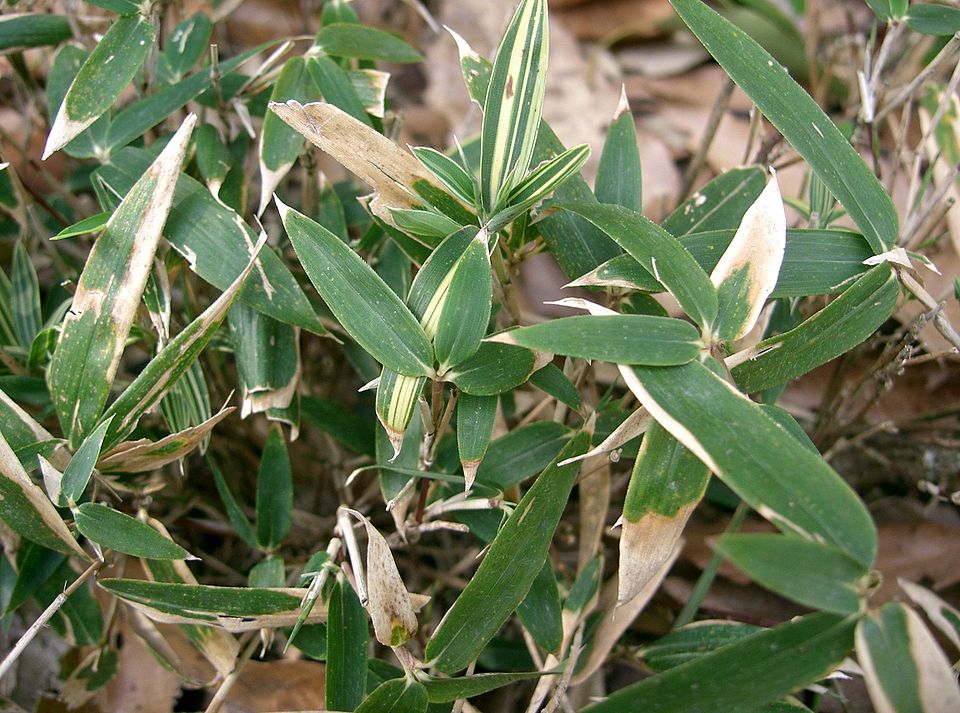
Source: WikipediaEragrostis parviflora is a widespread species of grass known as weeping lovegrass. Growing to 1.3 m (4 ft 3 in) metres tall, it may be found in many parts of Australia and New Caledonia. Leaves are strongly ribbed, hairless or with marginal hairs; the leaf blade may be flat or inrolled.
Description
A grass that grows in tufts. It can grow from seed each year or keep growing for a few years. It grows 30-90 cm high. The leaves are mostly near the base. The leaf blades are narrow and 1-3 mm wide. The flowers are green. The grain is oblong and smooth.
Distribution
It grows on quartzite and granite soils. It can grow in mud. It grows in subtropical locations.
Where It Grows
Australia*, Tasmania,
Notes
There are about 300 Eragrostis species.
Nutrition
| Part | Moisture | kJ | kcal | Protein | Vit A | Vit C | Iron | Zinc |
|---|---|---|---|---|---|---|---|---|
| Seed | 12.6 | 1370 | 328 | 12.4 | — | — | — | — |
References (5)
- Cancilla, D., 2018, Ethnobotanical and Ethnozoological Values Desktop Assessment - Eliwana Project. p 11
- Lamp, C.A., Forbes, S.J. and Cade, J.W., 1990, Grasses of Temperate Australia. Inkata Press. p 164
- Lazarides, M. & Hince, B., 1993, Handbook of Economic Plants of Australia, CSIRO. p 92
- Mem. Acad. Imp. Sci. St.-Petersbourg, Ser. 6, Sci. Math. 1(4):411. 1830
- Paczkowska, G. & Chapman, A.R., 2000, The Western Australian Flora. A Descriptive Catalogue. Western Australian Herbarium. p 105