Eragrostis minor
Host
Azmelil
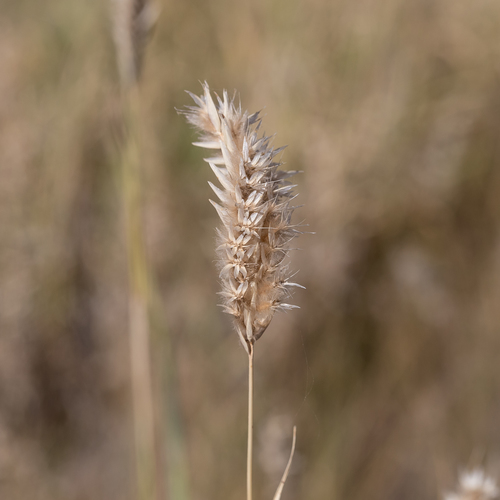
iNaturalist· cc-by-sa
(c) Douglas Goldman, some rights reserved (CC BY-SA), uploaded by Douglas Goldman
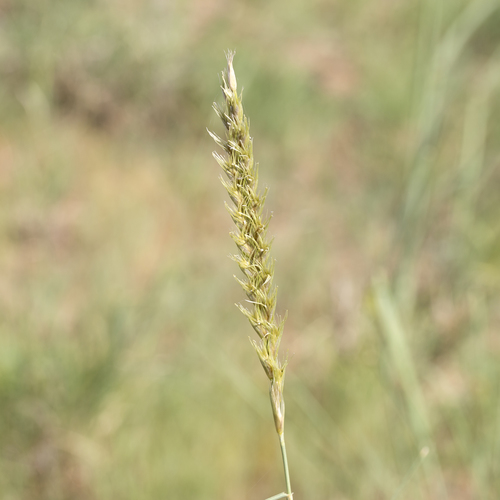
iNaturalist· cc-by-nc
(c) Don Sutherland, some rights reserved (CC BY-NC), uploaded by Don Sutherland
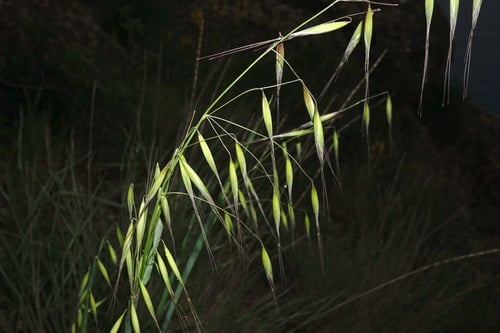
iNaturalist· cc-by
(c) Patrick Hacker, some rights reserved (CC BY), uploaded by Patrick Hacker
Summary
Source: WikipediaEragrostis minor, the little lovegrass or smaller stinkgrass, is a widespread species of flowering plant in the family Poaceae, native to most of the subtropical and warm temperate Old World, and introduced to North America, South America, and Australia. Preferring disturbed open places with little competition, and sandy or gravelly soils, it is often found growing on rail embankments, road verges, cracks in sidewalks, and waste areas. Its seeds are edible, but quite small and difficult to harvest and handle, so it is usually regarded as a famine food.
Description
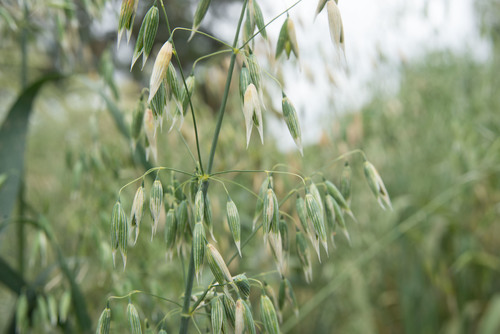
An annual grass. It forms loose tufts. It grows 45 cm high. The leaf blades are flat and up to 15 cm long. The flower panicle is oval and can be 4-30 cm long.
Edible Uses
Seed - eaten as a cereal. The seed is small and fiddly to utilize - it is most commonly seen as a famine food, used when nothing better is available.
Distribution
It is a warm temperate to subtropical plant. In Argentina it grows below 500 m above sea level. In Yunnan.
Where It Grows
Africa, Argentina, Asia, Australia, Central Asia, East Africa, India, Korea, Luxembourg, Madagascar, Mauritania, Myanmar, SE Asia, Senegal, South America, St Helena, Taiwan, Tajikistan, Tasmania, Tibet, Uruguay, West Africa,
Synonyms
Also Known As
Ahimoka, Myet-thin-don
References (3)
- Burkill, H. M., 1985, The useful plants of west tropical Africa, Vol. 2. Kew.
- Tasmanian Vascular Plant Census 2017
- World Checklist of Useful Plant Species 2020. Royal Botanic Gardens, Kew