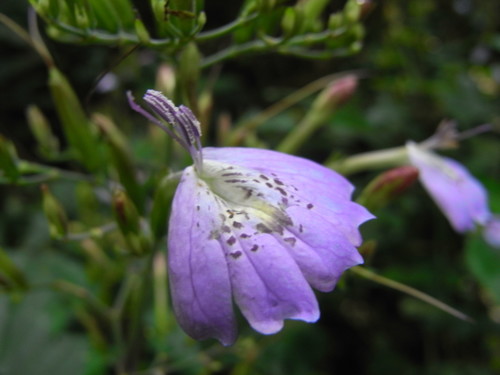
Eranthemum pulchellum
Andrews
Blue sage
iNaturalist· cc-by-nc
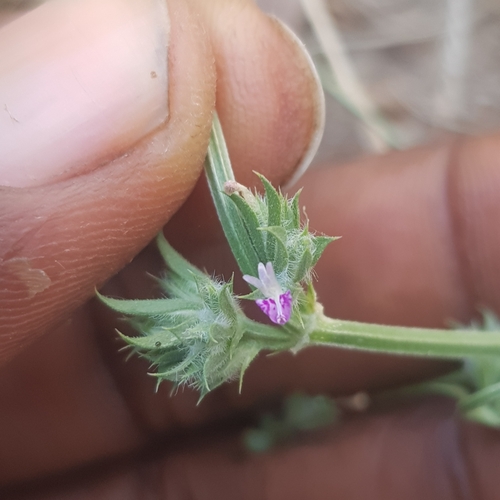
(c) swanand kesari, some rights reserved (CC BY-NC), uploaded by swanand kesari
iNaturalist· cc-by-nc
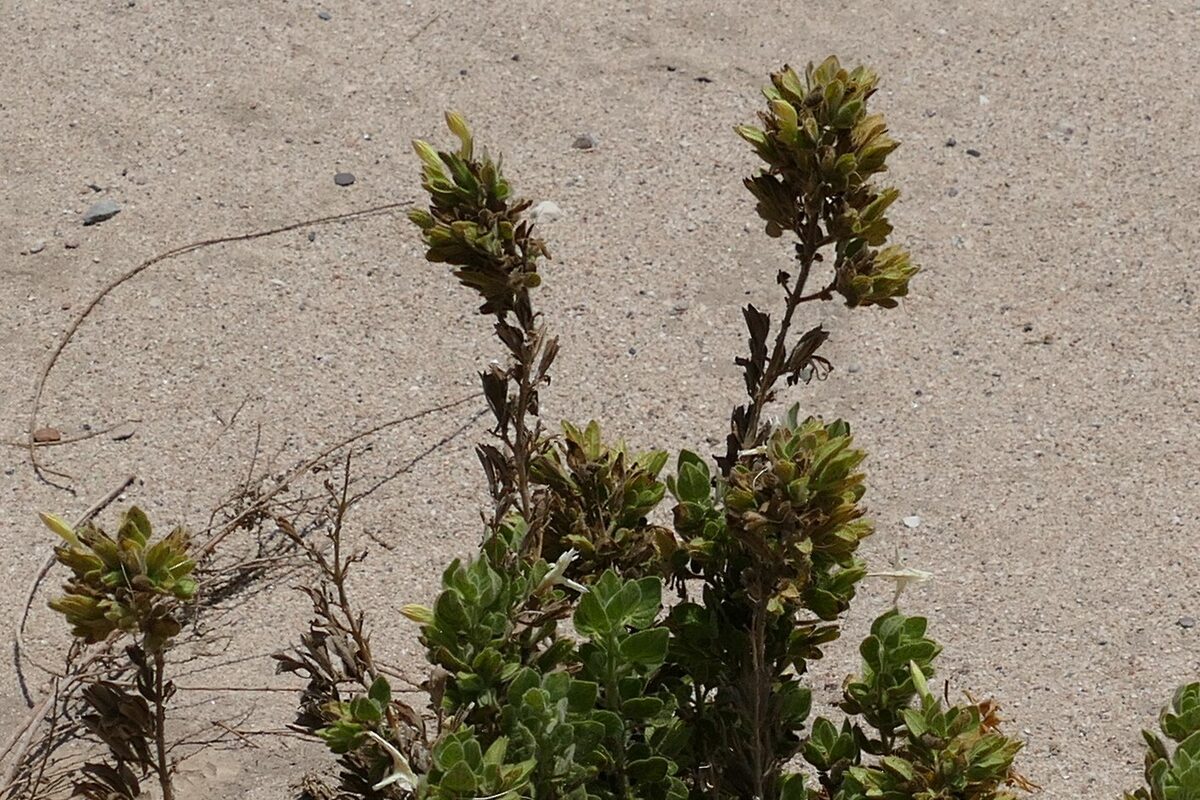
(c) Robert Cunningham, some rights reserved (CC BY-NC)
iNaturalist· cc-by-nc
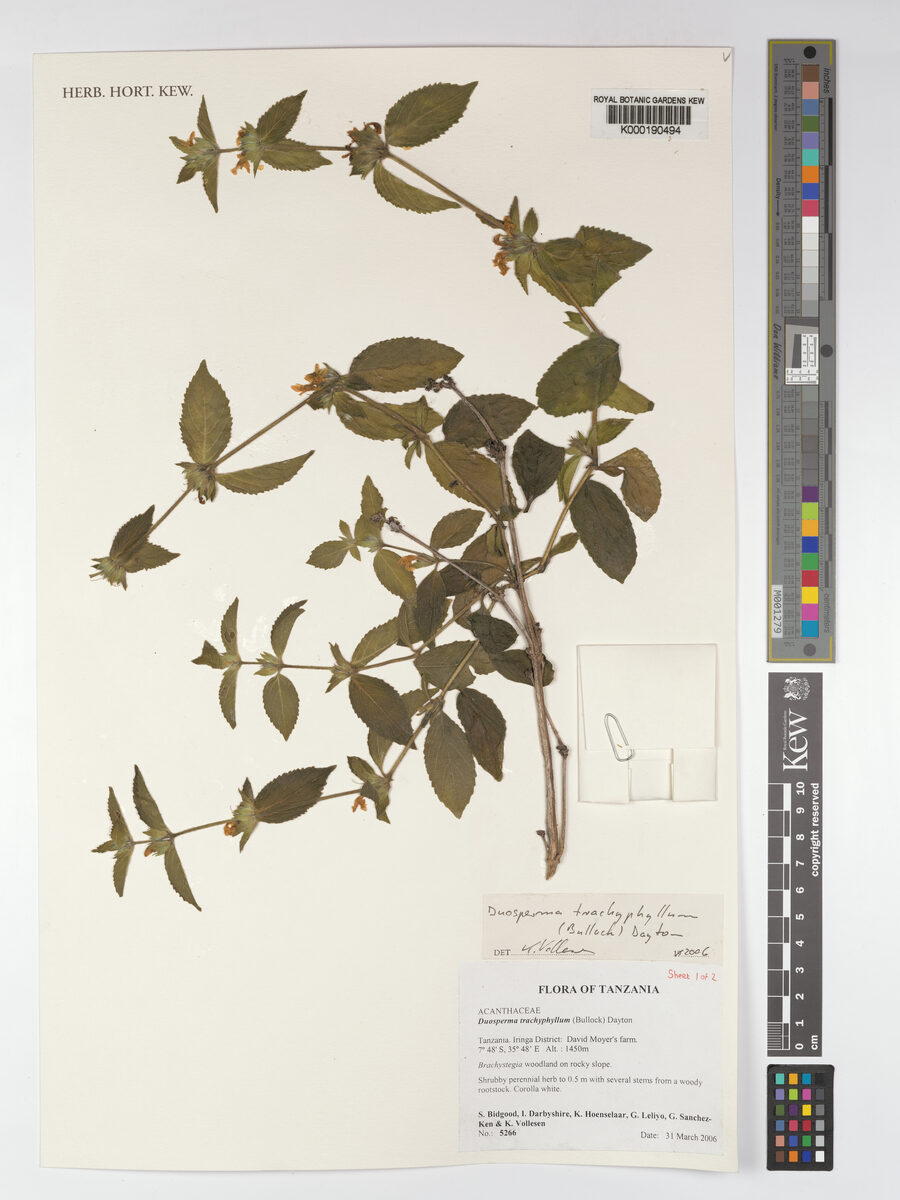
(c) Salindra Kasun Dayananda, some rights reserved (CC BY-NC)
Summary
Source: WikipediaEranthemum pulchellum, the blue eranthemum or blue sage, is a species of flowering plant in the acanthus family Acanthaceae, native to the Himalayas, western China, India and Nepal. A strongly branched evergreen shrub, it is popular with gardeners because of the spikes of flowers that are bright gentian blue – an unusual color in the tropics. The flowers appear from green-and-white veined bracts that remain after the blooms fall, forming a column several centimetres long. The hairy leaves are large and dark green. A sprawling shrub which may reach a metre or more in height, E. pulchellum is usually kept lower and bushier through pruning. Light shade is preferred in a garden; in a greenhouse it needs warm conditions. It is easily propagated from cuttings. The Latin specific epithet pulchellum means "beautiful". In the UK this plant has gained the Royal Horticultural Society's Award of Garden Merit.
Description
A shrub. It grows 1-2 m high. The branches droop. The leaf stalks are 2-10 mm long. The leaf blade is sword shaped or narrowly oval. It is 4-11 cm long by 1.5-4 cm wide. The leaves are reddish or purple in colour.
Edible Uses
The leaves and flowers are eaten.
Distribution
A tropical plant. In Fiji it grows from sea level to about 200 m altitude. In Yunnan. In Cairns BG.
Where It Grows
Asia, Australia, China, Dominican Republic, Fiji, Guianas, Hawaii, India, Indochina, Laos, Myanmar, Nauru, Pacific, Philippines, SE Asia, South America, Suriname, USA, West Indies,
Synonyms
References (6)
- Ambasta S.P. (Ed.), 2000, The Useful Plants of India. CSIR India. p 498 (As Pseuderanthemum bicolor)
- Delang, C. O., 2007, Ecological Succession of Usable Plants in an Eleven-Year Fallow Cycle in North Lao P.D.R., Ethnobotany Research and Applications. Vol. 5:331-350
- Liu, Yi-tao, & Long, Chun-Lin, 2002, Studies on Edible Flowers Consumed by Ethnic Groups in Yunnan. Acta Botanica Yunnanica. 24(1):41-56
- Martin, F.W. & Ruberte, R.M., 1979, Edible Leaves of the Tropics. Antillian College Press, Mayaguez, Puerto Rico. p 172 (As Pseuderanthemum bicolor)
- Sitzungsber. Math.-Phys. Cl. Koenigl. Bayer. Akad. Wiss. Munchen 8:286. 1884 ("1883") (As Pseuderanthemum bicolor)
Show all 6 references Hide references
- Smith, A.C., 1991, Flora Vitiensis Nova. Volume 5 p 133 (As Pseuderanthemum bicolor)