Prunus davidiana
(Carrière) Franch.
David peach, Chinese wild peach, Mountain Peach
iNaturalist· cc-by-nc
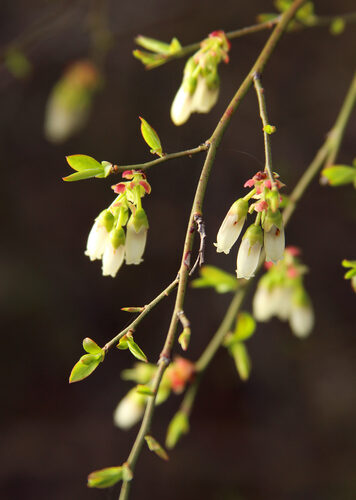
(c) Stargazer, some rights reserved (CC BY-NC), uploaded by Stargazer
iNaturalist· cc-by-nc
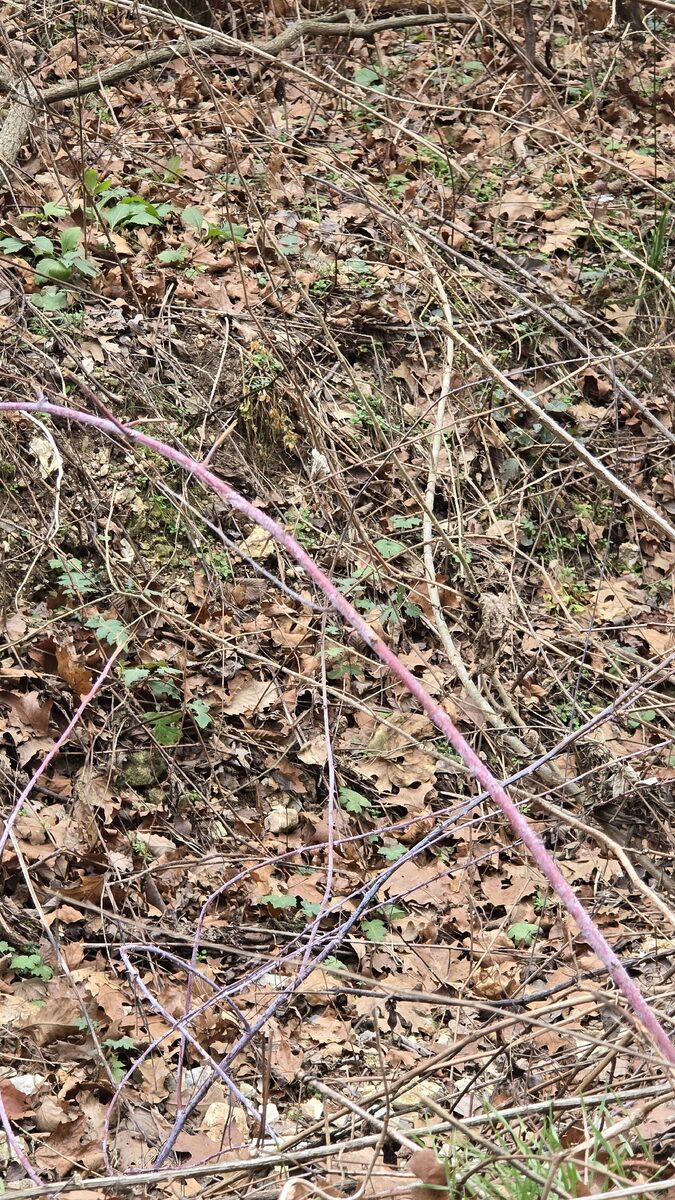
(c) Stargazer, some rights reserved (CC BY-NC), uploaded by Stargazer
iNaturalist· cc-by-nc
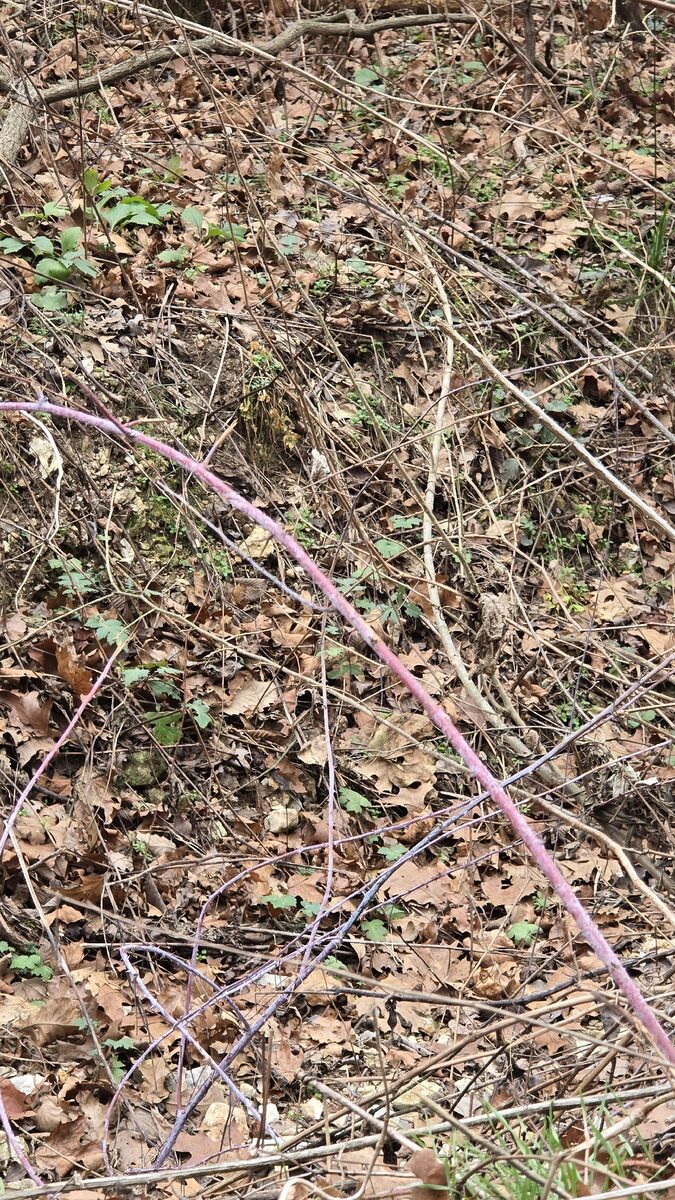
(c) Nan Yang, some rights reserved (CC BY-NC), uploaded by Nan Yang
Summary
Source: WikipediaPrunus davidiana is a plant species in the Rosaceae family. It is also known by the common names David's peach and Chinese wild peach. It is native to China, preferring to grow in forests and thickets, on slopes in mountain valleys, and in waste fields, from 800 to 3200 m. It is resistant to frost, and to a number of pests and diseases of cultivated peach, and is the subject of many studies for the genetic improvement of peaches.
Description
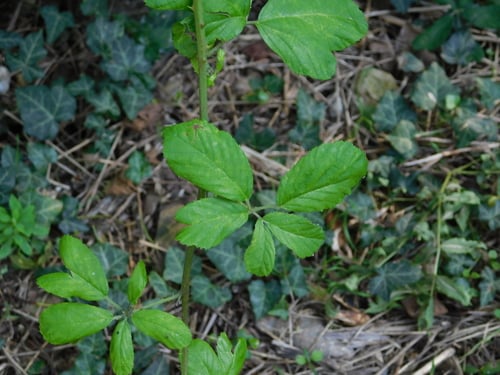
A small tree. It grows 9 m high and spreads 9 m wide. The bark is often shiny red-brown. It loses its leaves during the year. The young branches are upright. The leaves are dark green. They are small and have sharp teeth and taper to a point. The flowers are white to pink. The fruit are small and round and covered with down.
Edible Uses
The seed is used in China as a flavouring in confectionery and some special dishes. Because the seeds contain prussic acid and are somewhat bitter, they should be used in strict moderation. The fruit is about 3cm in diameter and contains one large seed.
Traditional Uses
The kernels are used to flavour dishes. CAUTION: They contain prussic acid. The fruit are also eaten raw. They are also used for jams and syrups.
Medicinal Uses
The seed is analgesic, antiasthmatic, anticoagulant, antitussive, aperient, emollient and haemolytic. It is used in the treatment of amenorrhoea, dysmenorrhoea, traumatic pain due to blood stasis, constipation in aged and debilitated patients, coughs and asthma. The seed contains amygdalin and prunasin, compounds that break down in water to release hydrocyanic acid (prussic acid or cyanide). In small amounts this exceedingly poisonous compound stimulates respiration, improves digestion and gives a sense of well-being.
Known Hazards
Seeds contain amygdalin and prunasin, which form hydrocyanic acid (cyanide) when hydrolyzed. Use strictly in moderation.
Distribution
It is a temperate plant. It grows in the hills and mountains of northern China. It grows between 800-3,200 m above sea level. It suits hardiness zones 4-9. In Sichuan and Yunnan.
Where It Grows
Asia, Australia, China, Himalayas, Korea, Nepal,
Propagation
Seed requires 2–3 months of cold stratification and is best sown in a cold frame as soon as it is ripe. Stored seed should be sown in a cold frame as early in the year as possible and protected from mice. Germination can be slow, sometimes taking 18 months. Prick out seedlings into individual pots when large enough to handle, overwinter them in a greenhouse or cold frame, and plant out in late spring or early summer the following year. Cuttings of half-ripe wood with a heel can be taken in July/August in a frame. Softwood cuttings from strongly growing plants can be taken in spring to early summer in a frame. Layering can be done in spring.
Other Uses
This species is used as a disease-resistant, low-chill rootstock for the cultivated peach, Prunus persica. A green dye can be obtained from the leaves, and a dark grey to green dye from the fruit.
Other Information
It is cultivated.
Notes
There are about 200 Prunus species.
Synonyms
Also Known As
Buji buka, Khala, Kuebu, Sanboksanamu, Shantao, Ting, Ye maotao
References (15)
- Bhattarai, S and Chaudary, R. P., 2009, Wild Edible Plants Used by the People of Manang District, Central Nepal. Ecology of Food and Nutrition, 48:1-20
- Brickell, C. (Ed.), 1999, The Royal Horticultural Society A-Z Encyclopedia of Garden Plants. Convent Garden Books. p 837
- Cundall, P., (ed.), 2004, Gardening Australia: flora: the gardener's bible. ABC Books. p 1093
- Facciola, S., 1998, Cornucopia 2: a Source Book of Edible Plants. Kampong Publications, p 193 (As Amygdalus davidiana)
- Geng, Y., et al, 2016, Traditional knowledge and its transmission of wild edibles used by the Naxi in Baidi Village, northwest Yunnan province. Journal of Ethnobiology and Ethnomedicine. 12:10 (As Amygdalus davidiana)
Show all 15 references Hide references
- Hui, Y. H., Handbook of Food Science, Technology, and Engineering. Volume 2. Table 98:5
- Kang, Y., et al, 2012, Wild food plants and wild edible fungi in two valleys on the Qinling Mountains (Shaanxi, central China) Journal of Ethnobiology and Ethnomedicine; 9:26
- Kang, Y., et al, 2014, Wild food plants used by the Tibetans of Gongba Valley (Zouqu country, Gansu, China) Journal of Ethnobiology and Ethnomedicine 10:20
- Kim, H. & Song, M., 2013, Ethnobotanical analysis for traditional knowledge of wild edible plants in North Jeolla Province (Korea). Genetic. Resour. Crop Evol. (2013) 60:1571-1585
- Plants for a Future, The Field, Penpol, Lostwithiel, Cornwall, PL22 0NG, UK. http://www.scs.leeds.ac.uk/pfaf/
- Song, M., et al, 2013, Traditional knowledge of wild edible plants in Jeju Island, Korea. Indian Journal of Traditional Knowledge. 12(2) pp 177-194
- Tanaka,
- Valder, P., 1999, The Garden Plants of China. Florilegium. p 105
- www.efloras.org Flora of China Volume 9 (As Amygdalus davidiana)
- Zeven, A. C. & de West, J. M. J., 1982, Dictionary of cultivated plants and their regions of diversity. Wageningen. p 41