Prunus scoparia
Spach) C. K. Schneid.
iNaturalist· cc-by-nc
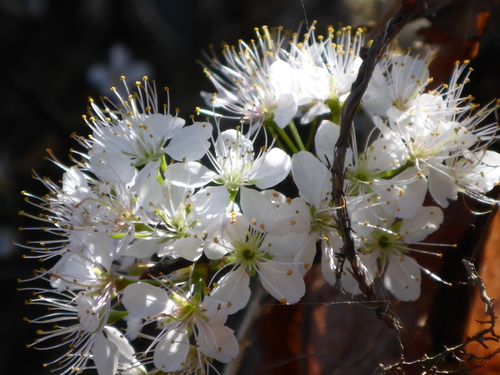
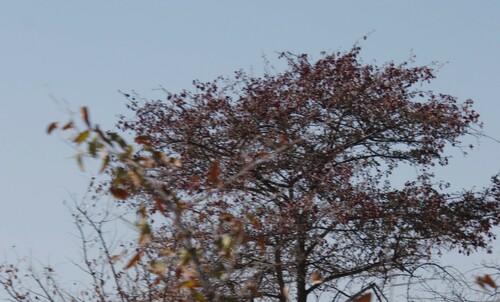
(c) emoq, some rights reserved (CC BY-NC)
iNaturalist· cc-by-nc
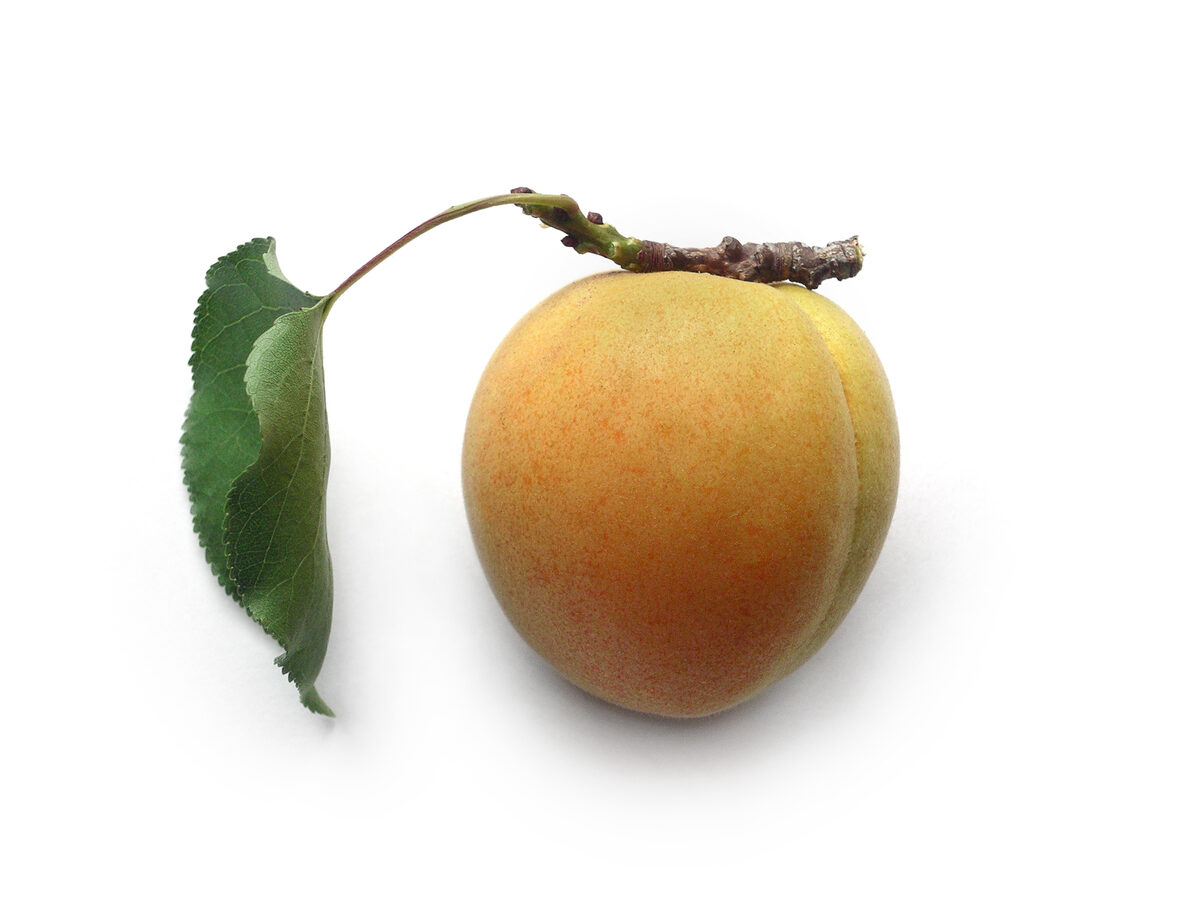
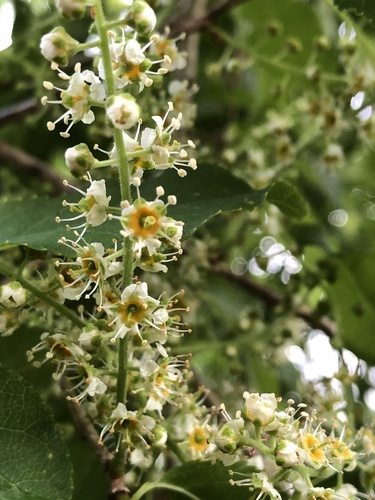
(c) emoq, some rights reserved (CC BY-NC)
iNaturalist· cc-by
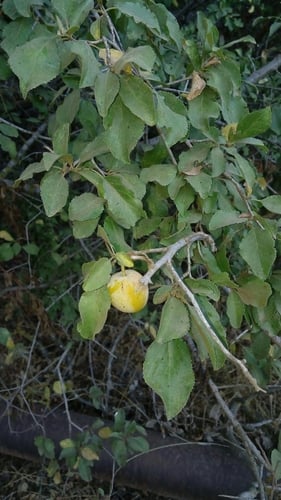
(c) Mohammad Amin Ghaffari, some rights reserved (CC BY)
Summary
Source: WikipediaPrunus scoparia is a wild almond primarily found in the Zagros forests of Iran but also distributed across Turkey, Turkmenistan, and Afghanistan. It is a xerophytic shrub and it has been used as a grafting stock for domesticated almonds to provide drought resistance. Its seeds are consumed by rural Iranians as a cheap source of high-quality protein. Its leaves are the primary food of the larvae of Parornix turcmeniella moths. In recent scholarship, it is sometimes referenced as Persian gum after the model of gum arabic, although this name is also used for the commercially unimportant P. lycioides and for the resin of the unrelated Astragalus sarcocolla.
Description
A shrub. It can grow 3 m tall. It produces suckers. It loses its leaves in the hot dry season. The fruit are 2 cm long by 1 cm wide.
This description is brief — help expand it
Edible Uses
The seeds are eaten, though bitter seeds should be avoided.
Traditional Uses
The seeds are eaten but should be avoided if they are too bitter.
This uses section is brief — help expand it
Known Hazards
Seeds that are too bitter should be avoided.
Distribution
It is a temperate plant. It can tolerate drought.
Where It Grows
Afghanistan, Iran, Middle East, Turkey, Türkiye, Turkmenistan,
Cultivation
It can be grown from seed after they receive cold treatment. It can be grown from cuttings or layering.
Synonyms
References (2)
- Ferns, Useful Temperate Plants
- Rahimi Dvin, S., et al, 2017, Diversity in the nut and kernel characteristics of seven populations of Prunus scoparia from the central and southern Zagros regions of Iran by comparison with three other almond species. Fruits 72 (6) 370-381