Angelica ursina
(Rupr.) Maxim.
iNaturalist· cc-by
(c) Marco Mussita, some rights reserved (CC BY), uploaded by Marco Mussita
iNaturalist· cc-by-nc
(c) Peter Zika, some rights reserved (CC BY-NC)
Summary
A perennial reaching 3 m tall. Not frost tender. Hermaphrodite and self-fertile, pollinated by insects. Tolerates light sandy, medium loamy, or heavy clay soils with mildly acid to mildly alkaline pH. Grows in semi-shade or full sun, preferring moist soil.
Description
A perennial reaching 3 m tall. Not frost tender. Hermaphrodite and self-fertile, pollinated by insects. Tolerates light sandy, medium loamy, or heavy clay soils with mildly acid to mildly alkaline pH. Grows in semi-shade or full sun, preferring moist soil.
Edible Uses
Edible Parts: Leaves Shoots Edible Uses: Leaves and shoots - cooked or raw.They are often dried for later use.
Medicinal Uses
None known
Distribution
It is a temperate plant.
Where It Grows
Asia, Japan,
Propagation
Seed - best sown in a cold frame as soon as it is ripe since the seed only has a short viability. Seed can also be sown in the spring, though germination rates will be lower. It requires light for germination. When large enough to handle, prick the seedlings out into individual pots and grow them on in a cold frame for their first winter, planting them out into their permanent positions in the spring. The seed can also be sow in situ as soon as it is ripe.
Other Uses
None known Special Uses
Notes
There are 50 Angelica species. They are temperate plants.
Synonyms
References (2)
- Plants for a Future database, The Field, Penpol, Lostwithiel, Cornwall, PL22 0NG, UK. http://www.scs.leeds.ac.uk/pfaf/
- Williams, D., 2017, Ainu Ethnobiology. Contributions in Ethnobiology. Society of Ethnobiology.
More from Apiaceae
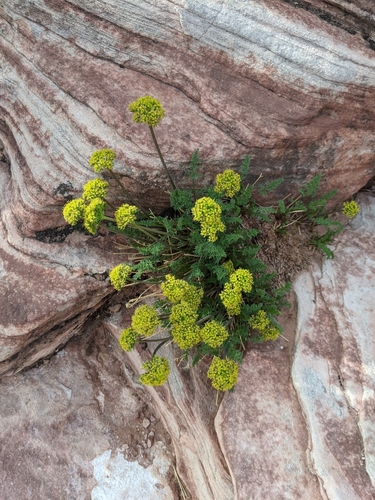
Lomatium parryi
Parry's biscuit root, Utah desert parsley
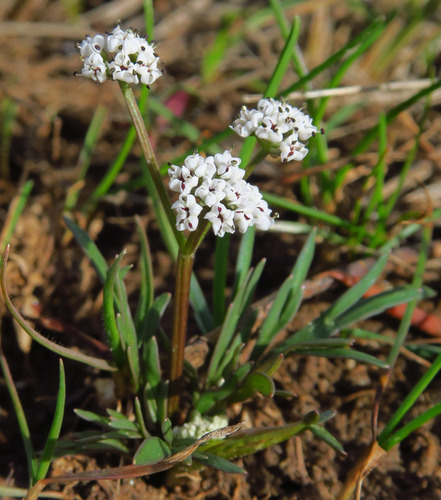
Lomatium piperi
Indian biscuitroot
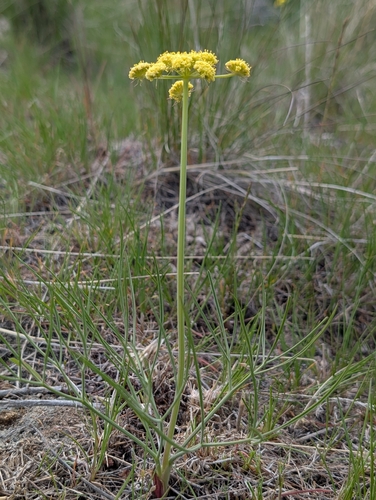
Lomatium simplex
Narrowleaf lomatium
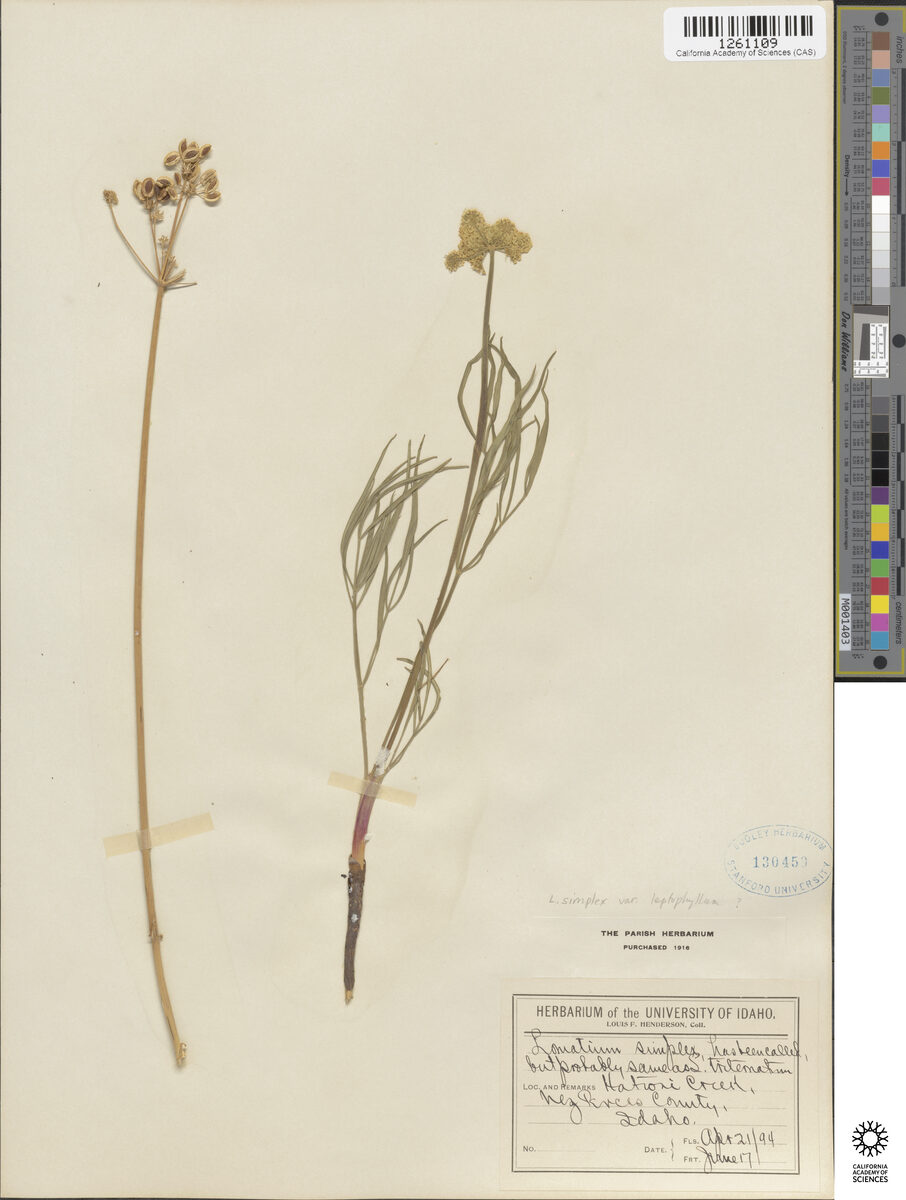
Lomatium simplex var. leptophyllum
Narrow leaf lomatium
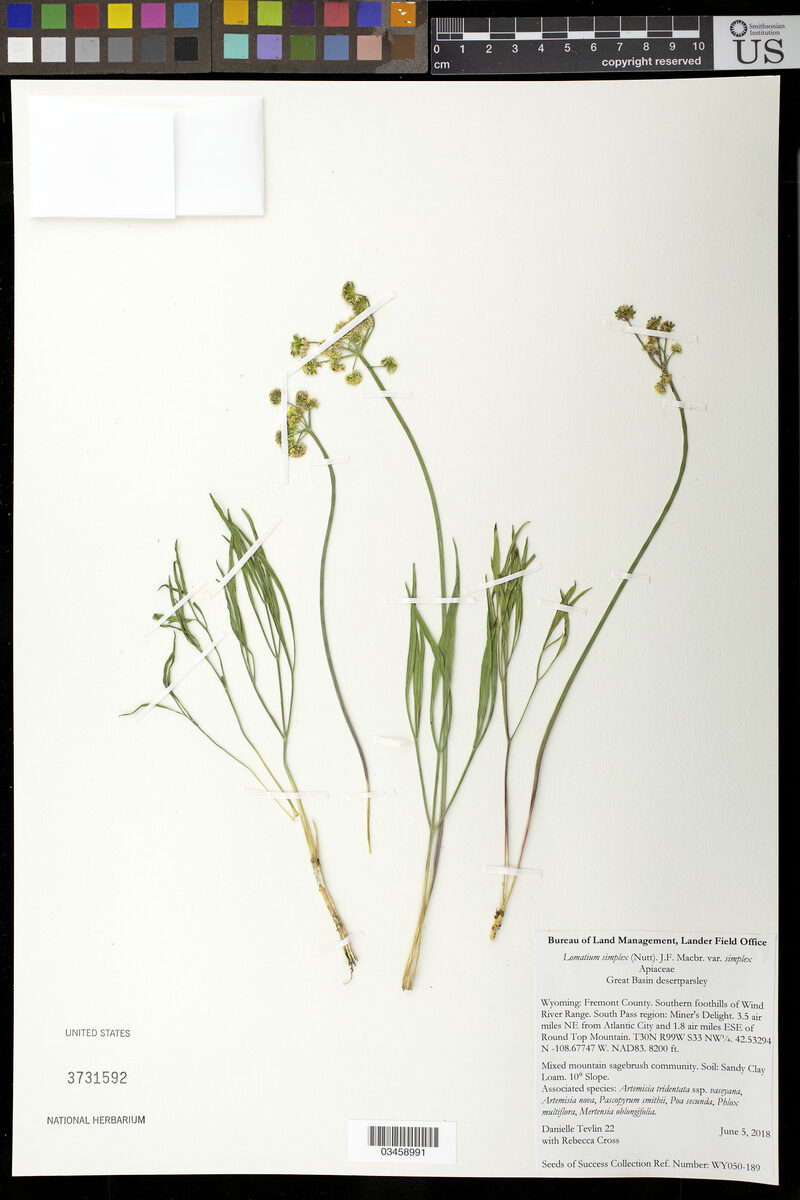
Lomatium simplex var. simplex
Great Basin desert parsley
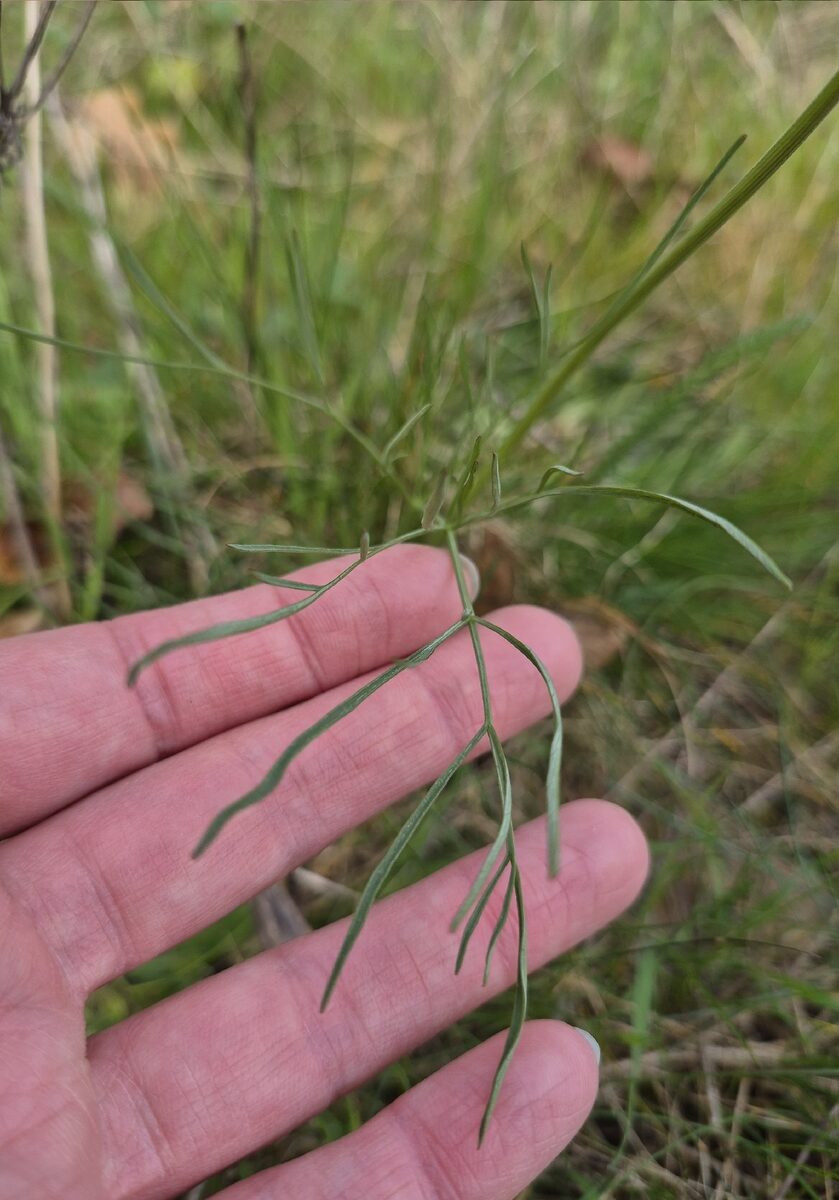
Lomatium triternatum - (Pursh.)Coult.&Rose.
Nineleaf Biscuitroot, Broadnineleaf biscuitroot