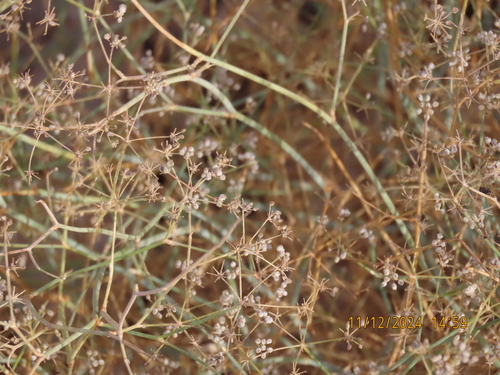
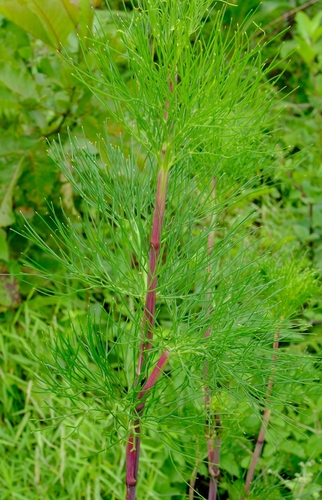
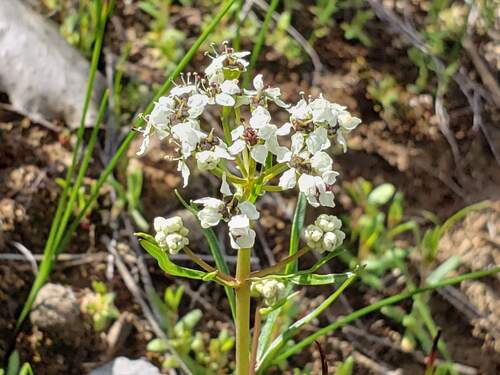
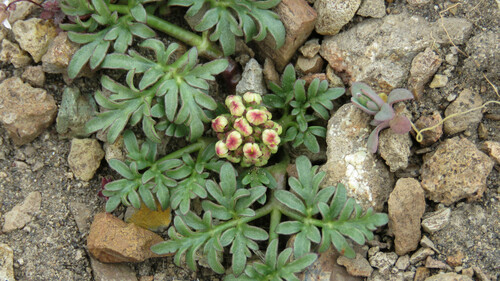
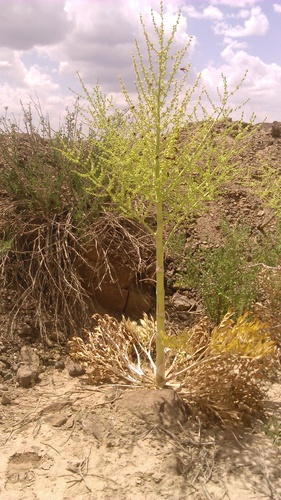
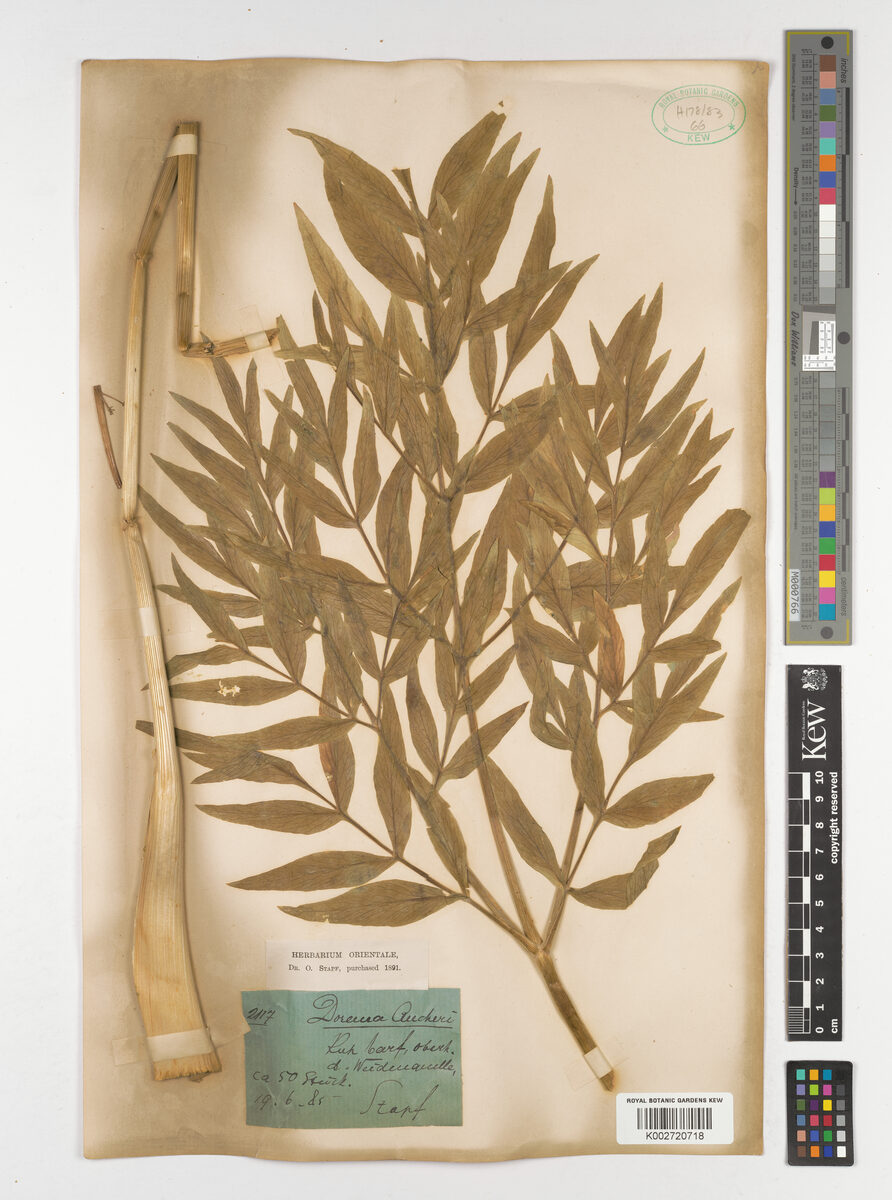
Peucedanum multivittatum
Maxim.
iNaturalist· cc-by-nc
(c) 李韻如, some rights reserved (CC BY-NC), uploaded by 李韻如
wikimedia· cc-by-sa
Wikimedia Commons - Qwert1234
Summary
A perennial with hermaphroditic, self-fertile flowers pollinated by insects. Adaptable to light, medium, or heavy soils across mildly acidic to basic pH ranges. Tolerates semi-shade or full sun and prefers moist soil.
Description
A perennial with hermaphroditic, self-fertile flowers pollinated by insects. Adaptable to light, medium, or heavy soils across mildly acidic to basic pH ranges. Tolerates semi-shade or full sun and prefers moist soil.
Edible Uses
The young plant is edible when cooked.
Traditional Uses
The leaves of the young plant are cooked and eaten.
This uses section is brief — help expand it
Medicinal Uses
None known
Known Hazards
Although no mention of toxicity has been seen for this species, skin contact with the sap of a number of members in this genus is said to cause photo-sensitivity and/or dermatitis in some people. They are also said to contain the alleged 'psychotroph' myristicine.
Distribution
It is a temperate plant. It grows on alpine slopes.
Where It Grows
Asia, Japan,
Cultivation
We have very little information on this species and do not know if it will be hardy in Britain, though judging by its native range it should succeed outdoors in most parts of this country. The following notes are based on the general needs of the genus. An easily grown plant, it succeeds in any moisture-retentive soil in a sunny position. Suitable for group plantings in the wild garden.
Propagation
Sow seed in a cold frame as soon as it is ripe, or in early spring if ripe seed is not available. Prick seedlings into individual pots once large enough to handle and plant out in summer.
Other Uses
None known Special Uses
Synonyms
References (1)
- Plants for a Future database, The Field, Penpol, Lostwithiel, Cornwall, PL22 0NG, UK. http://www.scs.leeds.ac.uk/pfaf/