Prunus brigantina
Vill.
Briancon apricot, Alpine plum, Marmottes, Oil plant
iNaturalist· cc-by-nc
(c) François-Xavier Taxil, some rights reserved (CC BY-NC), uploaded by François-Xavier Taxil
iNaturalist· cc-by-sa
(c) H Brisse (upload by Abalg), some rights reserved (CC BY-SA)
Summary
Source: WikipediaPrunus brigantina, called Briançon apricot (French: Abricotier de Briançon), Briançon plum (French: Prunier de Briançon), marmot plum (French: Marmottier), and Alpine apricot, is a wild tree species native to France and Italy. Its fruit is edible and similar to the commercial apricot P. armeniaca, but it is smooth unlike apricots. An edible oil produced from the seed, 'huile des marmottes', is used in France. It is disputed whether P. brigantina is an apricot or a plum. It is grouped with plum species according to chloroplast DNA sequences, but more closely related to apricot species according to nuclear DNA sequences.
Description
A deciduous tree growing to 6 m (19 ft 8 in) at medium rate. Hardy to UK zone 7. Flowers in May; seeds ripen August to September. Hermaphroditic and insect-pollinated. Adapts to light sandy, medium loamy, and heavy clay soils with good drainage. Tolerates mildly acidic to mildly alkaline pH. Grows in semi-shade or full sun; tolerates both dry and moist soil.
Edible Uses
The fruit can be eaten raw or cooked — a yellow plum about 3cm in diameter with a single large seed. One report considers it scarcely edible, but others have found it to have a pleasant mealy texture and sweet flavour, with even young trees of six years or less bearing quite freely. The seed yields an edible oil known as 'huille des marmottes', used in France as a substitute for olive oil. The seed itself can also be eaten raw or cooked, but should be avoided if it tastes too bitter.
Traditional Uses
The kernels are used to produce an oil. The fruit are occasionally eaten.
This uses section is brief — help expand it
Medicinal Uses
No specific medicinal uses have been recorded for this species, but like all members of the genus it contains amygdalin and prunasin. These compounds break down in water to release hydrocyanic acid (prussic acid or cyanide), which in small amounts stimulates respiration, improves digestion, and produces a sense of well-being, despite being exceedingly poisonous in larger quantities.
Known Hazards
Although no specific mention has been seen for this species, it belongs to a genus where most, if not all members of the genus produce hydrogen cyanide, a poison that gives almonds their characteristic flavour. This toxin is found mainly in the leaves and seed and is readily detected by its bitter taste. It is usually present in too small a quantity to do any harm but any very bitter seed or fruit should not be eaten. In small quantities, hydrogen cyanide has been shown to stimulate respiration and improve digestion, it is also claimed to be of benefit in the treatment of cancer. In excess, however, it can cause respiratory failure and even death.
Distribution
Temperate.
Where It Grows
Alps, Asia, Austria, Balkans, Europe, France, Macedonia,
Cultivation
Thrives in a well-drained moisture-retentive loamy soil, growing well on limestone. Prefers some lime in the soil but is likely to become chlorotic if too much lime is present. Succeeds in sun or partial shade though it fruits better in a sunny position. Three shrubs at Kew in September 1993 were about 1.5 metres tall and still had a few fruits on them, though there was evidence that they had carried a large crop. They fruited well again in 1994. Most members of this genus are shallow-rooted and will produce suckers if the roots are damaged. Plants in this genus are notably susceptible to honey fungus.
Propagation
Seed requires 2–3 months of cold stratification and is best sown in a cold frame as soon as it is ripe. Stored seed should be sown in a cold frame as early in the year as possible, with protection from mice. Germination can be slow, sometimes taking 18 months. Prick seedlings into individual pots when large enough to handle, overwinter in a greenhouse or cold frame, then plant out in late spring or early summer the following year. Cuttings of half-ripe wood with a heel can be taken in July/August in a frame. Softwood cuttings from vigorous plants can be taken in spring to early summer in a frame. Layering can be done in spring.
Other Uses
Prunus species are suited to windbreak and alley cropping systems, and improve biodiversity by providing habitat for pollinators and wildlife. Some varieties contribute to soil health through nitrogen fixation. The seed oil is aromatic and also used for lighting. Green dye can be obtained from the leaves, and a dark grey to green dye from the fruit. The flowers are rich in nectar and pollen, attracting bees, butterflies, and other pollinators. The fruits provide food for birds and mammals, and the dense foliage offers shelter and nesting sites. Rough bark and leaf litter support invertebrates and provide overwintering sites for beneficial insects.
Notes
There are about 200 Prunus species.
Synonyms
References (7)
- Collectanea 1:133. 1787 ("1786"); Icon. pl. rar. 1: t. 90. 1787? ("1781-1786") (As Prunus chamaecerasus)
- Facciola, S., 1998, Cornucopia 2: a Source Book of Edible Plants. Kampong Publications, p 193 (As Armeniaca brigantina)
- Hedrick, U.P., 1919, (Ed.), Sturtevant's edible plants of the world. p 521 (Also as Prunus chamaecerasus)
- Plants for a Future database, The Field, Penpol, Lostwithiel, Cornwall, PL22 0NG, UK. http://www.scs.leeds.ac.uk/pfaf/
- Prosp. Hist. pl. Dauphine 49. 1779
Show all 7 references Hide references
- Tanaka,
- World Checklist of Useful Plant Species 2020. Royal Botanic Gardens, Kew
More from Rosaceae
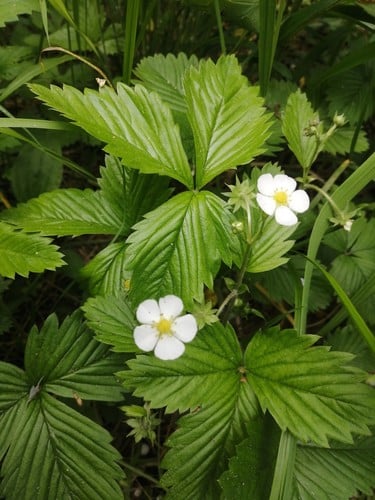
Fragaria vesca subsp. californica
Californian strawberry
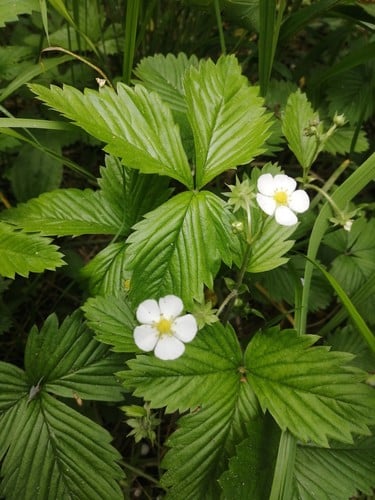
Fragaria vesca var. semperflora
Alpine strawberry
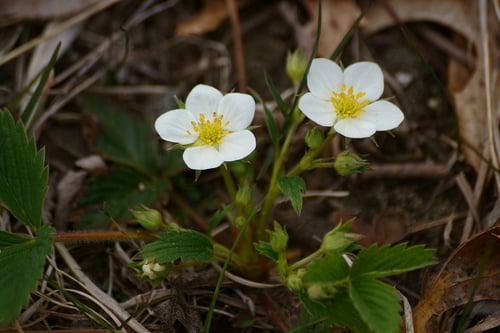
Fragaria virginiana
Scarlet strawberry, North American strawberry, Virginian strawberry
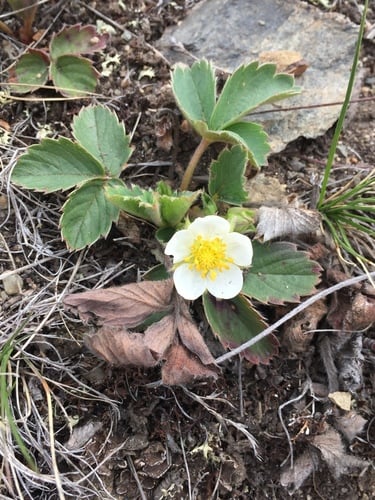
Fragaria virginiana subsp. platysepala
Fragaria viridis
Green strawberry, Hill strawberry
Fragaria x ananassa
Garden strawberry, European strawberry, Strawberry