Amelanchier alnifolia
(Nutt.) Nutt. ex M. Roem.
Saskatoon berry
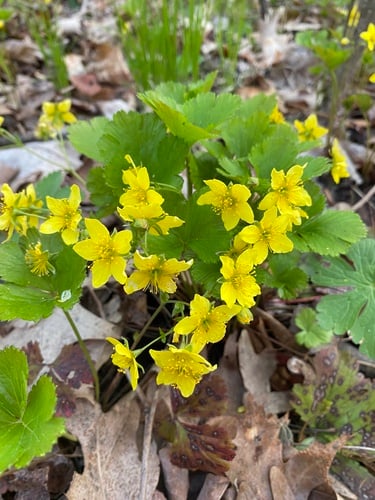
iNaturalist· cc-by-nc
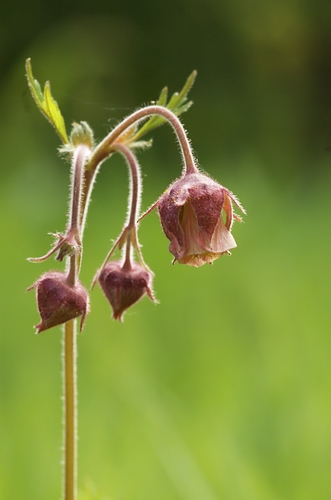
(c) Wendy Feltham, some rights reserved (CC BY-NC), uploaded by Wendy Feltham
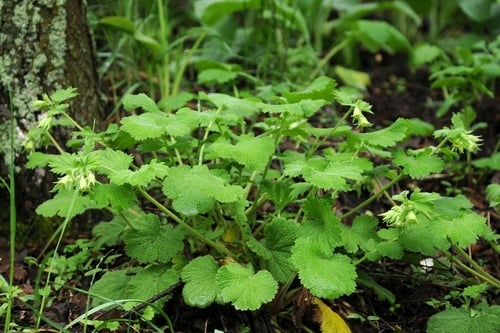
iNaturalist· cc-by-nc
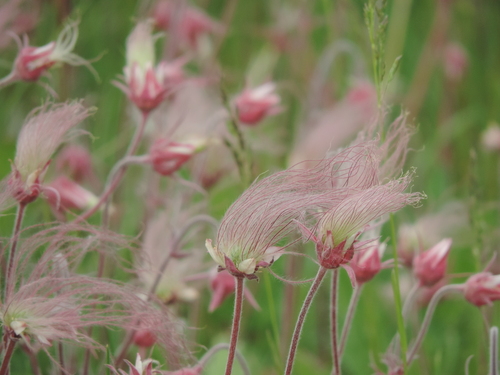
(c) atexter, some rights reserved (CC BY-NC)
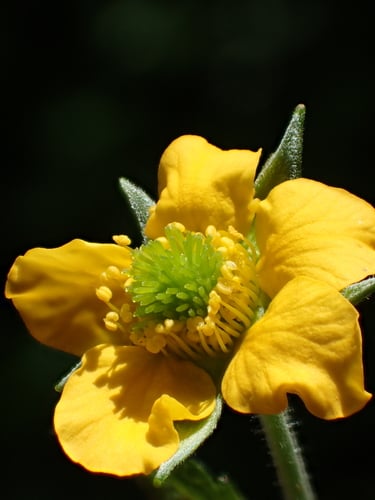
iNaturalist· cc-by-nc
(c) Aaron Wells, some rights reserved (CC BY-NC), uploaded by Aaron Wells
Summary
Source: WikipediaAmelanchier alnifolia, the saskatoon berry, Pacific serviceberry, western serviceberry, western shadbush, or western juneberry, is a shrub native to North America. It is a member of the rose family, and bears an edible berry-like fruit.
Description
A deciduous shrub reaching 4 m tall and 3 m wide at medium growth rate. Hardy to UK zone 3. Flowers in May with seeds ripening June to July. Hermaphroditic and bee-pollinated, self-fertile. Tolerates light sandy, medium loamy, and heavy clay soils across mildly acid to basic pH ranges. Grows in semi-shade or full sun, prefers moist conditions but tolerates drought.
Edible Uses
The fruits (pomes) are edible raw or cooked and ripen in mid summer — early July in southern Britain. They are soft and juicy with a few small seeds at the centre, sweet with a hint of apple, and enjoyed by almost everyone who tries them. About the size of a blackcurrant, the best wild forms can reach 15mm in diameter and are produced in small clusters. Fruits can be dried and used like raisins, made into pemmican, or processed into jams, pies, jellies, syrups, and wines. The fruit is rich in iron and copper. Leaves can be used as a tea substitute.
Traditional Uses
The fruit are eaten fresh or dried.
This uses section is brief — help expand it
Medicinal Uses
Saskatoon was widely used medicinally by North American Indians for a range of minor complaints and is little used in modern herbalism. An infusion of the inner bark treats snow-blindness. A decoction of the fruit juice is mildly laxative and has been used for upset stomachs and to restore appetite in children; it is also applied externally as ear and eye drops. A decoction of the roots has been used for colds and for excessively frequent menstruation. A decoction of the stems combined with snowberry (Symphoricarpos spp.) stems is diaphoretic, used to induce sweating in the treatment of fevers, flu, chest pains, and lung infections. A decoction of the plant together with bitter cherry (Prunus emarginata) has been used as a contraceptive, as has a decoction of the ashes of this plant combined with the ashes of pine branches or buds. A strong decoction of the bark was taken immediately after childbirth to hasten the dropping of the placenta, help clean and heal the woman's insides, and stop menstrual periods after the birth, thereby acting as a form of birth control.
Distribution
It is a cold temperate plant. It grows along streams. Arboretum Tasmania.
Where It Grows
Alaska, Australia, Canada, North America, Tasmania, USA,
Propagation
Seed is best harvested green — when fully formed but before the seed coat has hardened — and sown immediately in pots outdoors or in a cold frame. Stored seed obtained early in autumn can be given 4 weeks of warm stratification before being left outside over winter to germinate in spring; otherwise seed can be very slow, taking 18 months or more. Prick seedlings out into individual pots when large enough to handle and grow on in a sheltered outdoor position, planting out once they reach 20cm or more. Where sufficient seed is available, sow thinly in an outdoor seedbed and grow on for two years before planting into permanent positions during winter. Layering in spring takes 18 months. Suckers can be divided in late winter, but must have been growing for 2 years before lifting to ensure they have formed roots; they can be planted directly into permanent positions if needed.
Other Uses
Plants have a spreading, suckering root system and are used in windbreaks for erosion control and soil stabilization. Young branches can be twisted into rope. The wood is hard, straight-grained, and tough; it can be made harder still by heating over a fire and is easily moulded while hot. Young stems are used to make rims and handles and as stiffening in basket making.
Other Information
The fruit are enjoyed. It is cultivated.
Nutrition
| Part | Moisture | kJ | kcal | Protein | Vit A | Vit C | Iron | Zinc |
|---|---|---|---|---|---|---|---|---|
| Fruit | 76 | 414 | 99 | 0.7 | — | 10.9 | 0.5 | 0.4 |
| Leaves - tea | — | — | — | — | — | — | — | — |
Also Known As
Juneberry, Pacific serviceberry, Service berry
References (7)
- Bowser, M., 2017, Handout on Edible Plants of the Kenai Peninsula. USFWS Kenai National Wildlife Refuge p 17
- Elmore, F. H., 1944, Ethnobotany of the Navajo. University of New Mexico Press. p 105
- Kuhnlein, H. V., et al, 2009, Indigenous Peoples' food systems. FAO Rome p 33
- Stubbs, R. D., 1966, An investigation of the Edible and Medicinal Plants used by the Flathead Indians. MA thesis University of Montana. p 63
- Turner, N., et al, 2011, "Up on the Mountain": Ethnobotanical Important of Montane Sites in Pacific Coastal North America. Journal of Ethnobiology 31(1): 4-43
Show all 7 references Hide references
- Wiersema, J. H. & Leon, B., 2013, World Economic Plants. A Standard Reference CRC Press. 2nd Ed. p 46
- World Checklist of Useful Plant Species 2020. Royal Botanic Gardens, Kew