Alchemilla vulgaris
L.
Lady's mantle
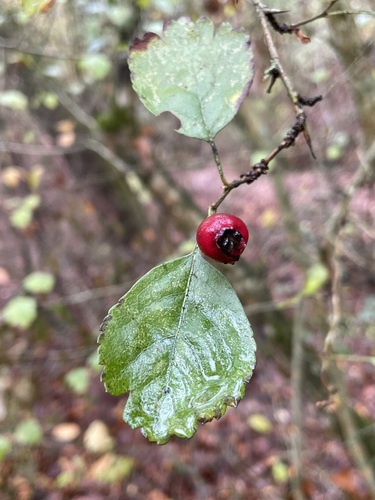
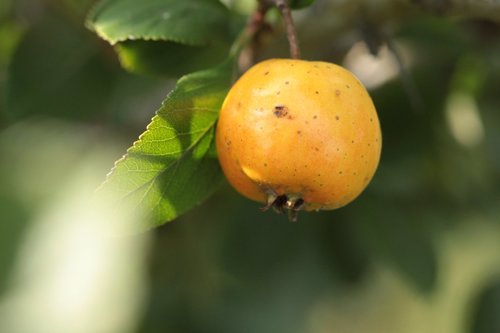
iNaturalist· cc-by-nc
(c) AnneTanne, some rights reserved (CC BY-NC)
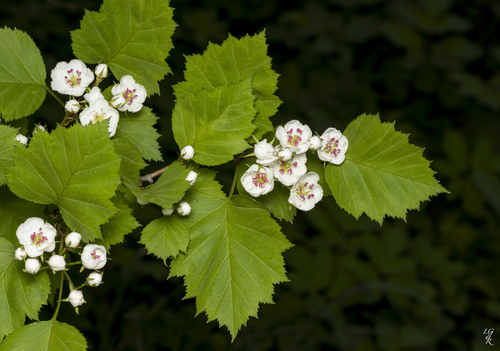
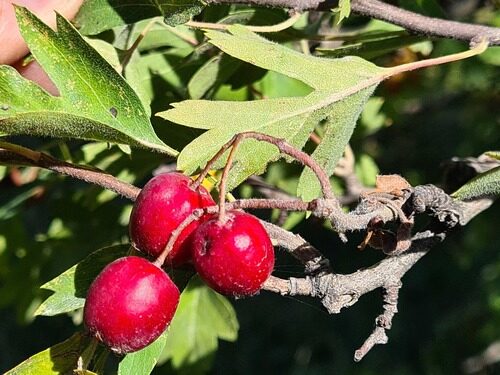
iNaturalist· cc-by-nc-sa
(c) Sirpa, some rights reserved (CC BY-NC-SA)
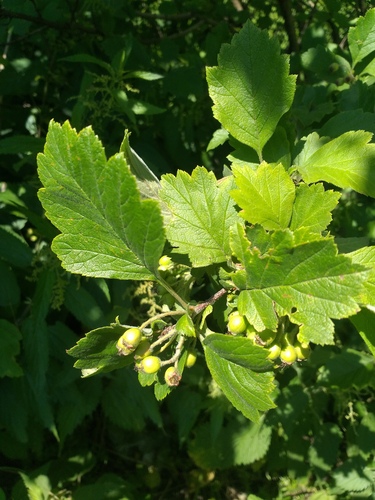
iNaturalist· cc-by
(c) Glenn Fleishman, some rights reserved (CC BY)
Summary
Source: WikipediaAlchemilla vulgaris, common name lady's mantle, is an herbaceous perennial plant in Europe and Greenland. These perennial wildflowers, members of the rose family, are sometimes grown in gardens - mainly for their leaves, which collect sparkling water droplets. Lady's mantle is commonly seen in unimproved or lightly fertilized grassland, on roadside verges and banks, in chalk downland and on mountain slopes. Synonyms: Alchemilla acutangula Buser Alchemilla acutiloba Opiz Alchemilla latifolia Salisb. Alchemilla pontica (Buser) K.Malý Potentilla acutiloba (Opiz) Christenh. & Väre
Description
A temperate herb in the Rosaceae family (lady's mantle).
This description is brief — help expand it
Edible Uses
The leaves are used in tea-like drinks and fresh in salads. The flowers are used for tea.
Traditional Uses
The leaves are used for tea like drinks. The leaves are also used in salads.
This uses section is brief — help expand it
Distribution
It is a temperate plant.
Where It Grows
America, Asia, Austria, Balkans, Czech Republic, Estonia, Europe, Latvia, Lithuania, Luxembourg, Macedonia, Russia, Slovenia,
Synonyms
Also Known As
Ostrokrpa plahtica, Krooklehed, Kortsleht, Manzhetka, Rasaspodi, Sibermantel
References (7)
- Kalle, R. & Soukand, R., 2012, Historical ethnobotanical review of wild edible plants of Estonia (1770s-1960s) Acta Societatis Botanicorum Poloniae 81(4):271-281
- Kolosova, V., et al, 2020, Foraging in Boreal Forest: Wild Food Plants of the Republic of Karelia, NW Russia. Foods 2020, 9, 1015; p 19
- Pruse, B., et al, 2021, Active Wild Food Practices among Culturally Diverse Groups in the 21st Century across Latgale, Latvia. Biology 2021, 10, 551.
- Rexhepi, B., et al, 2018, Ethnobotanical Study of Wild Edible Plants in Pelagonia Region (Southwestern Macedonia) International Journal of Advances in Science Engineering and Technology, Vol. 6 (1) p 57
- Schunko, C., et al, 2012, Intracultural variation of knowledge about wild plant uses in the Biosphere Reserve Grosses Walsertal (Austria). Journal or Ethnobiology and Ethnomedicine, 8:23
Show all 7 references Hide references
- Seidemann J., 2005, World Spice Plants. Economic Usage, Botany, Taxonomy. Springer. p 14
- Simkova, K. et al, 2014, Ethnobotanical review of wild edible plants used in the Czech Republic. Journal of Applied Botany and Food Quality 88, 49-67